









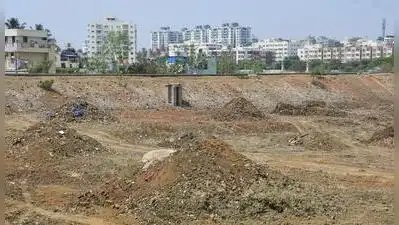
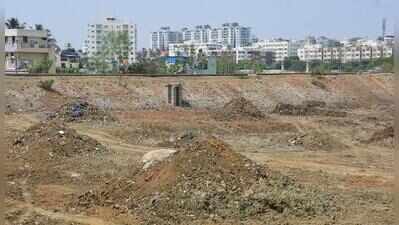
Bengaluru: The city’s lakes may be at their lowest ebb after weeks of prolonged dry weather, but the worsening water stress has also opened a narrow window to prepare them before the rains return. With hundreds of water bodies across Karnataka running dry amid growing drought concerns, the govt has drawn up a ₹150-crore World Bank-assisted programme to revive 500 lakes, a move aimed at strengthening water security rather than merely restoring depleted water bodies.The programme assumes particular significance for Bengaluru, where 135 lakes in Bengaluru Urban and Bengaluru Rural districts have been identified for restoration. With groundwater reserves under increasing pressure and the city facing the prospect of another difficult summer, rejuvenating its lake network could provide an important buffer against worsening water scarcity.Rural development and panchayat raj minister Eshwar Khandre has asked district authorities to make use of the current dry spell to undertake restoration works. The opportunity, he cautioned, could disappear once the rains return and the lakes begin filling up.The World Bank-assisted programme envisages desilting lakes, repairing and strengthening bunds, raising bund heights wherever necessary, restoring feeder channels and improving the surrounding areas. The objective of the programme is not simply to increase the amount of water a lake can hold, but to restore the network of catchments and channels that allows rainwater to remain in the landscape. Water experts and hydrologists have always argued that a functioning lake and feeder system can slow the flow of rainwater, prevent rapid runoff and allow more water to infiltrate into the soil, thereby contributing to groundwater recharge. This could be particularly important for Bengaluru, where groundwater has remained a crucial source of water for several localities.As the region is staring at worsening water stress and an uncertain rainfall outlook in the coming months, the health of Bengaluru’s lakes could become increasingly important in determining how much rainwater the city is able to capture and allow it to percolate into the groundwater table. Speaking during a video conference with district panchayat chief executive officers (CEOs), Khandre said, “The absence of rain has left several lakes bone dry, making this the right time to undertake restoration. The dry months should be utilised to complete the works before the next spell of rain fills the lakes.”The programme covers 67 lakes in Bengaluru Urban and 68 in Bengaluru Rural, besides 44 in Bidar, 90 in Chikkaballapur, 49 in Kalaburagi, 96 in Tumakuru and 86 in Kolar. The minister also directed CEOs and panchayat development officers (PDOs) to ensure uninterrupted access to safe drinking water in villages. “Water quality must be tested regularly. If there is any complaint of contamination, inspections should be carried out immediately at every stage — from the water source to household taps — and steps must be taken to prevent sewage from mixing with the drinking water supply,” Khandre told officials.The lake restoration programme comes at a juncture when the groundwater table is facing mounting pressure and the region confronts prolonged dry conditions. “The real challenge is no longer merely about bringing dead lakes back to life but about restoring the city’s ability to capture, store and recharge every drop before the next drought arrives,” highlighted a lake activist from Bengaluru.