







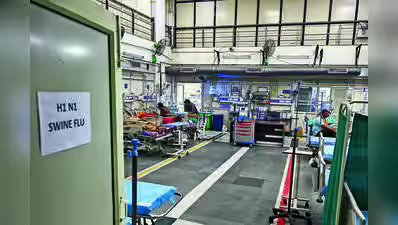
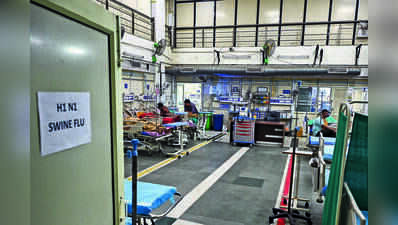
Gurgaon: Haryana has recorded a sharp rise in H1N1 cases, with the cumulative tally climbing from 163 on Aug 26 to 378 by Sept 16, according to state health department surveillance data. The district’s tally rose from 12 to 46 in the same period.The state recorded 215 additional H1N1 cases over the period. Of the cumulative 378 cases since Jan, 281 patients have recovered, 58 are hospitalised and 93 remain active. Hospital admissions more than doubled, from 27 to 58, while active cases rose from 68 to 93 and recoveries climbed from 92 to 281.Faridabad recorded the highest district tally at 81 cases, followed by Hisar (62) and Gurgaon. Karnal recorded 35 cases and Palwal 17.The state has reported four H1N1 deaths, all among patients with comorbidities — two in Hisar, one each in Panipat and Panchkula. No deaths were recorded among patients without comorbidities.H3N2 cases remained comparatively low, rising from eight to nine statewide. The district’s cumulative H3N2 tally stood at two.Dr Piyush Goel, senior consultant of pulmonology at Narayana Hospital, said influenza, including H1N1, spreads easily and typically causes fever, persistent cough, sore throat, body aches, headache and fatigue, with some patients developing breathlessness or other complications — particularly those at higher risk. “Not all fevers or respiratory infections are caused by H1N1, and appropriate medical evaluation is needed to determine whether or not it is H1N1,” he said.Most otherwise healthy people recover with rest, fluids and proper treatment, Goel said, while elderly people, young children, pregnant women and those with diabetes, heart or lung disease or weakened immunity need extra precautions. He advised against self-medication, saying patients should consult a doctor if symptoms persist or worsen. Shortness of breath, chest pain, extreme weakness, confusion, dehydration or sudden worsening after a period of improvement should be treated as medical emergencies, he added.He also recommended that unwell individuals avoid close contact with others — particularly vulnerable family members — cover their mouth and nose while coughing or sneezing, maintain hand hygiene and consider wearing a mask in public or enclosed spaces. “Be alert, but not panicked. Simple preventive measures and appropriate treatment early on can minimise complications and transmission,” he said.