









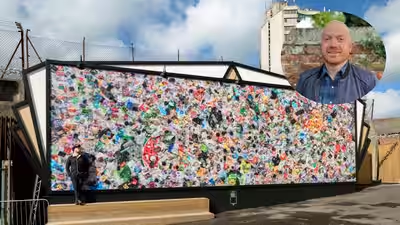
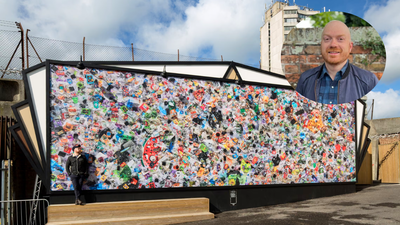
A man who decided to keep every piece of plastic he threw away for an entire year ended up with a collection of 4,490 pieces, turning a simple personal experiment into a wider effort to reduce everyday plastic waste. Instead of allowing wrappers, packaging and other discarded items to disappear into the bin, he saved them and kept track of what he was using. The result was a physical record of just how much plastic can accumulate through ordinary daily routines. What made the experiment striking was not a single huge item, but the sheer number of small pieces that were used once and discarded. By keeping everything together, he created a powerful visual reminder of how closely plastic is tied to everyday consumption and why reducing unnecessary waste can start with individual choices.
4,490 pieces of plastic revealed the scale of everyday waste
The experiment was based on a simple idea, keep every piece of plastic that would normally be thrown away and see how much accumulates over a year. Each item represented something that had entered his daily life and quickly become waste. Individually, many of the pieces would have seemed insignificant, but together they formed a collection of 4,490 items. The pile offered a very different perspective from simply knowing that a person uses plastic every day. It showed the physical volume of waste that can result from repeated habits, particularly when packaging and disposable products are involved.
A year of saving plastic made hidden waste visible
Plastic waste is often easy to forget because it usually disappears from view moments after it is used. A wrapper goes into a bin, packaging is removed from a product and disposable items are discarded without much thought. By keeping everything instead, the experiment prevented that waste from becoming invisible. The growing collection served as a record of consumption and made it possible to see how hundreds of small decisions could add up over time. The experience also highlighted how much plastic can enter a household without people necessarily noticing the cumulative effect.
The experiment became more than a personal challenge
What began as a way to measure personal plastic consumption developed into a broader environmental message. The collection gave the experiment a clear purpose because it showed that reducing plastic waste is not only about dealing with rubbish after it has been created. It is also about examining why so much disposable material is being used in the first place. The experiment encouraged people to think about the products they buy, the packaging that comes with them and whether some disposable items could be avoided altogether. That shift helped turn a personal record of waste into an idea that could be shared with others.
The focus shifted towards reducing plastic at the source
The movement inspired by the experiment focused on preventing unnecessary plastic waste rather than relying entirely on recycling. Recycling remains important, but reducing the amount of plastic used in the first place can prevent waste from being created at all. Everyday choices such as carrying reusable shopping bags, using refillable bottles, choosing products with less packaging and avoiding disposable items where practical can reduce the amount of plastic entering the waste stream. The 4,490-piece collection demonstrated why these decisions matter because small amounts of plastic can become a surprisingly large total when they are repeated throughout the year.
Small everyday choices can add up
The experiment showed that plastic pollution is not only connected to large industrial operations or distant waste sites. It can also be linked to ordinary routines that are repeated millions of times. A food wrapper, a piece of protective packaging or a disposable item may have a useful life of only a few minutes, yet the material can remain in the environment for far longer if it is not properly managed. By documenting his own consumption, the man demonstrated how individuals can identify the sources of their plastic waste and make changes according to what they discover.
Turning 4,490 pieces into a wider message
The significance of the experiment ultimately went beyond the number of pieces collected. The 4,490 items became a visual way of showing how easily plastic waste can accumulate without people noticing. What started as one person’s decision to save his discarded plastic developed into a movement aimed at encouraging people to question unnecessary plastic use and adopt less wasteful habits. The story offered a simple lesson that does not require dramatic lifestyle changes to begin with. Paying attention to what is being thrown away, identifying avoidable plastic and gradually replacing disposable products with reusable alternatives can be a practical first step towards reducing everyday plastic waste.