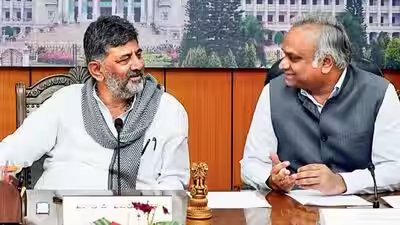











Bengaluru: “I won’t miss school or playing anymore,” says 10-year-old Mohin from Peenya 1st Stage, five months after undergoing a bone marrow transplant (BMT). Diagnosed with a serious blood disorder three years ago, Mohin endured repeated transfusions, fatigue and itching, with the illness also disrupting his schooling.His father recalled that Mohin was returning from his LKG annual day when the family, hailing from Tumakuru, first noticed black spots on his body. Initially mistaken for a skin rash, the symptoms were ignored for a day before multiple tests, transfusions, and treatment followed.“There were times when he was irritated and would yell at everyone. A BMT affects not just the patient but the whole family,” his father said. Three years on, Mohin is recovering and preparing to return to school and normal life.For 10-year-old Sharon from Jammu & Kashmir, the wait for a cure lasted nine years. Diagnosed with thalassemia at nine months, she had no fully matched donor. Her parents were half-matches, while her elder sister was a 3/10 match. As transfusions became more frequent—from once every 40 days to every 15 days—Sharon eventually told her mother she wanted to “get rid of the transfusions”. The family travelled to Bengaluru and began transplant preparations in July 2025. Her school supported her with home schooling during treatment. Now recovering, Sharon’s first wish is to return home and play with her sister.Speaking at a press conference Thursday, Narayana Health doctors said 228 paediatric half-matched and 1,000 matched BMTs were performed in the last financial year. They, however, flagged donor scarcity, specialised expertise, infrastructure and costs as key challenges.Dr Sunil Bhat, director and clinical lead, paediatric haematology, oncology and BMT, said lack of awareness and financial constraints remained major hurdles.While transplants costing Rs 5-7 crore in western countries can be performed in India for about Rs 12-22 lakh, affordability and insurance coverage remain concerns.Dr Devi Shetty, founder and chairman, Narayana Health, said the biggest challenge was expertise, with training to become a transplant specialist taking about 16 years. Expensive specialised infrastructure and the high cost of treating complications, including infections, were other barriers, he said.