









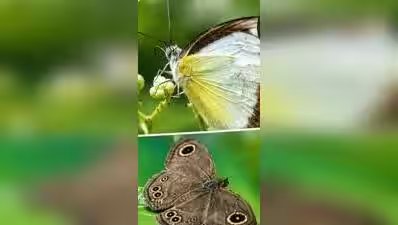
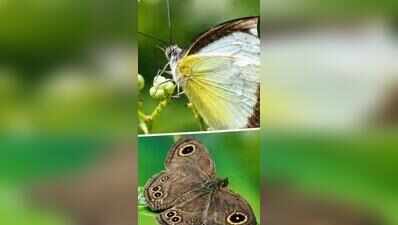
Guwahati: In the emerald canopy of Assam’s Dehing Patkai National Park, a silent explosion of colour is unfolding.Assam forest and climate change minister Jayanta Malla Baruah shared the findings on X: “A total of 165 butterfly species have been recorded in the region, including 37 endangered species, underlining the immense ecological importance of this biodiversity‑rich landscape.”The findings in the rainforest underscore the park’s status as a thriving sanctuary not just for tigers and elephants, but for some of nature’s most delicate creatures.“More than just a national park, Dehing Patkai is a thriving ecosystem where forests, wildlife and countless smaller species coexist,” he wrote on X.“The presence of such a diverse butterfly population reflects the importance of protecting healthy and connected natural habitats,” he said.Spanning 234.26 sq km across Dibrugarh and Tinsukia districts, Dehing Patkai is one of the last remaining stretches of Assam Valley Tropical Wet Evergreen Forests, clinging to the foothills that border Arunachal Pradesh.It forms the core of the larger 937 sq km Dehing Patkai Elephant Reserve, a landscape where history and ecology intertwine. Nearby lie the World War II cemeteries, the legendary Stilwell Road, Asia’s oldest refinery at Digboi, and an open‑cast coal mine at Lido.The park is also home to the Chinese pangolin, flying fox, slow loris, stump‑tailed and Assamese macaques, capped langur, hoolock gibbon, Himalayan black bear, hog‑badger, jungle cat, leopard cat, clouded leopard, tiger, sambar, barking deer, gaur and Malayan giant squirrel. Countless bird species and reptiles share this world.The minister stated that conservation efforts are helping create safer conditions for rare and endangered species to survive and flourish, strengthening Assam’s larger mission of protecting its extraordinary biodiversity.And now, the butterflies. From iridescent blues to tawny browns, their wings tracing patterns in the filtered light, they are living indicators that when forests are protected, even the smallest lives find space to flourish. “From majestic elephants and tigers to the smallest and most colourful butterflies, Assam’s forests continue to prove that every species has a role in keeping nature alive,” Baruah said.