






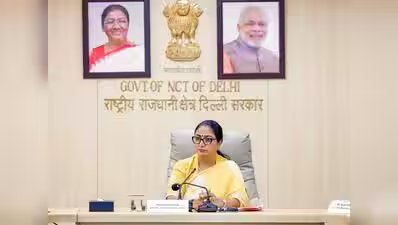
New Delhi: Farmhouses using treated water for lawns and other eligible activities in Delhi will have to pay Rs 10,000 per acre monthly under the proposed Reclaimed Water Policy, while the one-time infrastructure charge for providing a connection will be Rs 1 lakh per acre.The decision was announced Tuesday by CM Rekha Gupta and water minister Parvesh Verma.The policy, aimed at increasing the use of treated sewage water and reducing groundwater extraction, was recently approved by DJB, which will hold discussions with stakeholders before sending it to govt for approval.Delhi currently treats around 750 million gallons per day (MGD) of sewage. While 483 MGD is available for reuse, only about 120 MGD gets reused. This leaves nearly 363 MGD available for greater beneficial reuse.DJB plans to notify ‘Reclaimed Water Service Areas’ around compliant sewage treatment plants and connected sewer networks. Construction sites measuring 500 sqm or more in these areas will be required to use reclaimed water for dust suppression, curing, washing and road watering. Bulk water consumers will be brought under a phased substitution programme, with the policy targeting 100% use of reclaimed water for eligible non-potable requirements by 2036.The policy will follow a fit-for-purpose approach, with treatment and quality requirements based on intended use. It will also mandate safeguards, including colour coding, identification, metering, on-site storage and physical separation of reclaimed and potable water systems. DJB officials will be empowered to inspect premises, examine records and collect samples, with violations attracting penalties.Govt plans an overhaul of Delhi’s water and sewerage infrastructure, with CM outlining a Rs 56,000-crore Master Plan and a Rs 2,500-crore Asian Development Bank-funded initiative to strengthen water supply. Govt has also proposed a Rs 11,427-crore transformation of water infrastructure in west and southwest Delhi, expected to benefit 36.4 lakh people and strengthen 3,830 km of network.“Over the past one-and-a-half years, govt has studied Delhi’s long-standing problems and begun working on long-term solutions,” Gupta said, adding the focus was on addressing water supply, sewerage, drainage and waterlogging through modern infrastructure, smart metering and real-time monitoring.