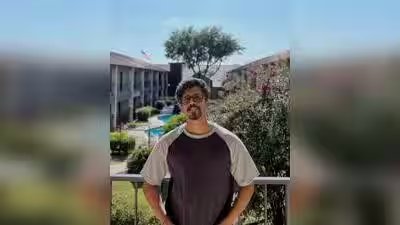






In Uttar Pradesh Post-Yogi, animal husbandry is no longer merely a traditional means of livelihood; it is rapidly emerging as a modern enterprise that strengthens the rural economy. Pig farming is a significant part of this transformation. Through scientific techniques, superior breeds, balanced nutrition, regular vaccination, and government financial assistance, even small-scale livestock farmers are establishing commercial-level enterprises. The success story of Mr. Ravindra Kumar Pal from Muzaffarnagar serves as an inspiring example of this shift.Ravindra Kumar Pal established a modern pig farming unit with the support of the National Livestock Mission, becoming an inspiring example of self-employment and self-reliance.
Government support
Ravindra Kumar Pal decided to set up a modern pig farming unit under the National Livestock Mission (NLM) with guidance from the UP Animal Husbandry Department. The total cost of his project was Rs 60 lakh. He received a bank loan of Rs 30 lakh and a subsidy of Rs 30 lakh for the project. This financial support provided the necessary capital to establish a large-scale modern farm and paved the way for transforming animal husbandry into an organized business.Under the project, he constructed modern tin sheds and pig enclosures. Subsequently, a commercial breeding unit was developed by housing 100 female and 10 male pigs. Thus, the foundation for a systematic production system was laid, moving beyond the traditional practice of rearing just a few animals.
Training transformed operations
Financial assistance was not the only crucial factor in this success; Ravindra Kumar Pal also received departmental training before launching the project. Through this training, he gained scientific knowledge regarding pig breeds, breeding management, dietary practices, hygiene, disease control, housing management, and farm operations.In modern animal husbandry, knowledge and management are just as important as the livestock itself. Factors such as proper temperature, clean water, nutritious feed, adequate space, and timely healthcare directly impact the growth and productivity of the animals. The training helped Pal understand all these aspects from a professional perspective.
Health management
The Animal Husbandry Department provides continuous technical support to the project. Vaccination and deworming are carried out at the farm at regular intervals. Departmental experts also offer necessary advice regarding high-quality animal health management and farm operations.The direct benefit of regular health monitoring is the reduction of disease risk and the maintenance of livestock productivity. Thus, the role of the government department is not limited merely to providing financial assistance under the scheme; technical guidance is also being provided to ensure the project’s success and sustainability.
Core objective of the NLM
The broad objective of the National Livestock Mission (NLM) is to promote entrepreneurship in the livestock sector, improve productivity, and create new employment and income opportunities for farmers and livestock rearers. It emphasizes developing livestock-based activities not just as traditional occupations, but as commercial and organized enterprises.A key aspect of the scheme is encouraging aspiring entrepreneurs to set up modern livestock units by assisting with capital investment. Financial instruments such as bank loans and subsidies alleviate the challenge of initial investment, making it easier to invest in sheds, equipment, livestock, and other essential infrastructure.
Boosting employment and the rural economy
Pal’s project is not merely a means to increase his family’s income. Such commercial livestock units also generate direct and indirect employment opportunities at the local level. The demand for animal feed, veterinary services, transportation, equipment, and other inputs stimulates the local economy.Another advantage of pig rearing is its compatibility with agriculture. The synergy between agriculture and animal husbandry provides farmers with diversified income sources. Furthermore, the efficient use of crop residues and locally available resources can help control the costs associated with livestock rearing.
Rural enterprise moving towards self-reliance
The story of Ravindra Kumar Pal demonstrates that when government schemes, the banking system, technical training, and departmental guidance work in tandem, even an ordinary livestock farmer in a rural area can transform into a modern entrepreneur.A Rs 60 lakh project, a farm established with 100 female and 10 male pigs, and continuous departmental support illustrate this transformation. This model can serve as an inspiration for other aspiring youths and livestock farmers, showing that by adopting scientific methods, animal husbandry can be turned into a source of sustainable income and employment.
From scheme to success
The most significant message from Ravindra Kumar Pal’s success is that government assistance becomes truly effective only when coupled with entrepreneurship, training, and ongoing technical guidance. Schemes like the NLM are acting as conduits for introducing capital and technology into the rural economy.This story from Muzaffarnagar offers a glimpse into the transformation taking place in the animal husbandry sector in Uttar Pradesh. With modern infrastructure, scientific management, and government support, pig farming is evolving from a mere traditional activity for rural families into a promising business venture that fosters self-reliance, employment, and economic strength. His journey is a testament to the fact that rural entrepreneurs can generate large-scale economic activity when provided with the right opportunities, training, and support.