








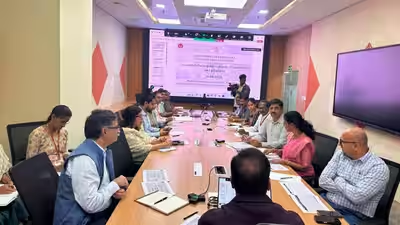
BENGALURU: Influenza cases in Bengaluru have already crossed the 2,000-mark this year, with 2,070 laboratory-confirmed cases recorded in the Greater Bengaluru area till August 22 — nearly 80% of the cases reported in the whole of 2025 and 74% higher than the corresponding annual figure for 2024.According to data released by the state health department on Monday, Greater Bengaluru recorded 2,070 influenza-positive cases till August 22, compared with 2,587 cases during all of 2025 and 1,189 in 2024. The figures indicate a substantial rise even before the current monsoon influenza season has run its course.Bengaluru Urban has also reported 1,011 cases so far this year, against 961 in 2025 and 991 in 2024. Bengaluru Rural and Bengaluru South have recorded 26 cases each till August 22.Across Karnataka, 4,212 laboratory-confirmed influenza cases have been reported in 2026 so far, compared with 4,583 cases in the whole of 2025 and 3,903 in 2024. The cases have been reported from 32 districts, according to surveillance data from the Integrated Health Information Platform (IHIP).The health department, however, said the current rise is part of the usual seasonal pattern and does not indicate an outbreak. Karnataka generally sees two seasonal peaks in influenza cases — between January and March and again between July and September.The department said surveillance of influenza-like illness (ILI) and severe acute respiratory infections (SARI) has been strengthened through designated sentinel sites, the ICMR-NCDC pan-respiratory virus surveillance network and Viral Research and Diagnostic Laboratories. It said laboratories have been equipped with adequate consumables for timely sample collection and testing.Following a review meeting chaired by Health Minister U T Khader with senior district health officials on Monday, health facilities have also been advised to maintain adequate stocks of essential supplies, including PPE, N95 masks and oseltamivir. Healthcare workers have been sensitised to the early recognition and management of ILI and SARI cases.Private hospitals and healthcare facilities have been asked to follow prescribed protocols for screening, testing and treatment of H1N1 cases and report cases through the IHIP platform.The department has advised people with symptoms to avoid crowded places, practise respiratory and hand hygiene, and avoid self-medication. It has also urged symptomatic people to seek medical care early, particularly to protect high-risk groups.Officials said the public need not panic, stressing that seasonal influenza can be prevented and managed with early detection, timely treatment and appropriate precautions.