








Today, the biggest conversations in Bengaluru range from public transport and food safety to innovation and technology. As road congestion worsens, Namma Metro has hit a new ridership milestone with the city’s dependence on mass transit becoming more intense. Meanwhile, the food safety department of Karnataka is casting the net of inspections beyond roadside eateries to bigger food establishments and star hotels.The move comes after a series of inspections that raised concerns over food storage, expired products and hygiene in the kitchens. Bengaluru’s tech ecosystem is also in the spotlight as 10 postgraduate projects received financial backing of over Rs 40 lakh for innovations in artificial intelligence, robotics, lasers and healthcare technology.Separately, Karnataka is on the way to appoint mental-health counselors at block resource centers to support schoolchildren. Transport, food safety, innovation and education make for a particularly busy day in the city.
Metro is Bengaluru’s new lifeline on the move
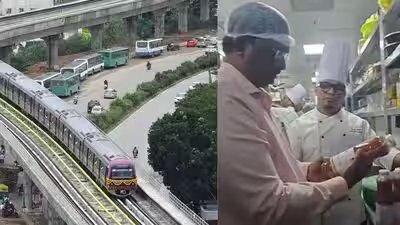
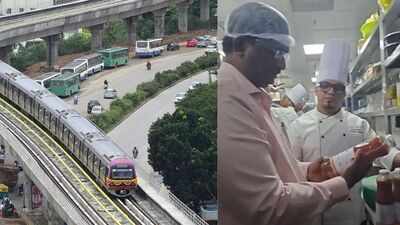
The Namma Metro saw about 11.2 lakh passengers on Monday, which is reflective of the growing importance of the system to the Bengaluru commuter. As the city roads are getting more and more congested, the metro is becoming a vital option for office goers and students.The growing numbers also put pressure on the network to expand capacity, improve last mile connectivity and ensure that stations can handle increasingly large crowds.Food safety crackdown moves up-marketThe Karnataka Food Safety and Drug Administration has given an indication that the inspections will no more be targeted at small establishments. Now the department has its eyes set firmly on star hotels, cloud kitchens and other large food businesses.The move follows inspections which revealed expired dairy products, rotten meat, fungus affected vegetables, used cooking oil and poor storage practices. The larger enforcement campaign may push bigger venues to increase internal food safety checks.
Bengaluru students get a booster shot
Visvesvaraya Technological University’s ten post graduate projects got the support of Rs 40.72 lakh. Chosen concepts include a laser-based system to control weeds and a portable solution for storing vaccines.The funding is proof of Bengaluru’s ongoing efforts to translate academic research into real-world technology. As AI, robotics and advanced engineering increasingly become part of the city’s innovation ecosystem, such projects could eventually find applications beyond university labs.