









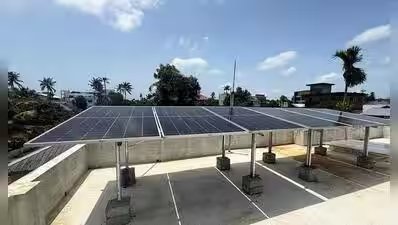
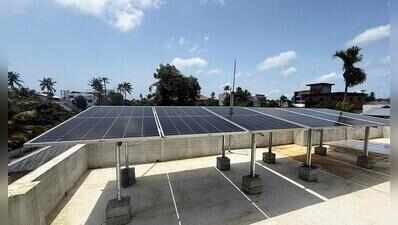
Chennai: The Asian Development Bank (ADB) will provide an $850 million loan to accelerate the rollout of the Government of India’s flagship rooftop solar programme.The Centre’s PM Surya Ghar: Muft Bijli Yojana (PMSG: MBY) is a demand-driven scheme under which all residential consumers, including rural households with a grid-connected electricity connection through their local discom, are eligible for financial assistance to install rooftop solar (RTS) systems. The scheme was launched in February 2024.In FY26, 18.71 lakh RTS systems were installed, adding a cumulative rooftop solar capacity of 6.7 GW and benefiting 22.71 lakh households across the country, including those in rural areas. As of July 22, 2026, a total of 39,72,447 RTS systems had been installed, benefiting 48,02,717 households nationwide.The Central government said the scheme has significantly reduced electricity bills for beneficiaries, with over 18.93 lakh households reporting zero electricity bills in some months, depending on their level of self-consumption.ADB’s financing is expected to accelerate rooftop solar adoption by improving incentives, expanding access to finance, enhancing grid readiness, increasing distribution company participation, strengthening skills, and improving digital monitoring. It will also support domestic manufacturing, energy storage, recycling, and the wider adoption of clean energy.“The programme will help India expand rooftop solar at scale while making clean energy more affordable and accessible to millions of households,” said Mio Oka, ADB Country Director for India. “It supports a people-centred energy transition by reducing exposure to energy price and supply shocks, strengthening distribution systems, creating green jobs, expanding opportunities for women, and building stronger domestic clean energy value chains,” Oka added.The ADB funding programme aims to reduce upfront costs and accelerate adoption through financial assistance for at least 3.5 million rooftop solar installations, digital application and monitoring systems, greater participation by distribution companies, and increased private sector involvement.It will also support the training and certification of at least 6,000 people, with at least one-third being women, and facilitate the development of model solar villages and innovative distributed solar projects. In addition, it will strengthen vendor accountability, promote women’s participation in distributed renewable energy, and improve the safe handling and recycling of solar photovoltaic panels and battery waste, said ADB.