








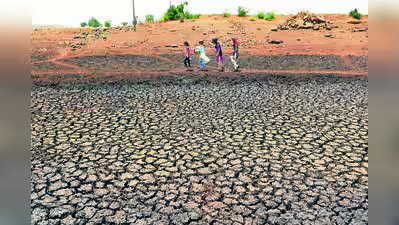
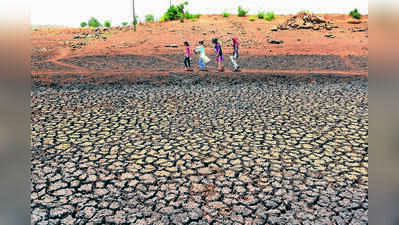
Hyderabad: As India endures its fifth driest June 1-July 17 period in 126 years, Telangana and Andhra Pradesh have emerged among the worst-hit states, together accounting for 49 districts that have reported deficient or large-deficient rainfall this monsoon.According to SBI Research and state data, nearly one in every nine rain-deficit districts in the country is located in the two Telugu states. The period from June 1 to July 17 has seen rainfall remain 24% below normal across India, with nearly 60% of the country’s 740 districts — around 450 districts — recording deficient or large-deficient rainfall.Telangana and Andhra Pradesh rank third and fourth, respectively, in terms of the share of affected districts. As many as 28 of Telangana’s 33 districts, accounting for 85% of the total, reported deficient or large-deficient rainfall between June 1 and mid-July. Andhra Pradesh followed closely, with 21 of its 26 districts, or 81%, receiving below-normal rainfall.The weak monsoon has raised concerns over kharif crop growth, reservoir inflows and groundwater recharge across Telangana. SBI Research noted that Telangana is among the driest states in the country this season, recording a rainfall deficit of around 33-34% during the June 1-July 17 period.While state rainfall data classified 27 districts as rain-deficit and Hanumakonda as the lone large-deficit district, SBI Research combined both categories, taking the number of affected districts in Telangana to 28. Only five districts — Mulugu, Rangareddy, Nagarkurnool, Nalgonda and Suryapet — recorded normal rainfall during the period, while no district received excess rainfall.The analysis identified Bihar as the worst-affected state, with 95% of its districts receiving deficient rainfall, followed by Kerala at 86%. More than three-fourths of the districts in Jammu & Kashmir, Punjab, Haryana and Odisha also recorded below-normal rainfall.Within Telangana, rainfall distribution remained highly uneven. Mulugu received the highest rainfall at 298.5 mm, while Jogulamba Gadwal recorded the lowest at just 65.4 mm, highlighting the patchy nature of monsoon activity across the state.The districts reporting deficient rainfall are Adilabad, Kumuram Bheem Asifabad, Mancherial, Nirmal, Nizamabad, Kamareddy, Karimnagar, Peddapally, Jagtial, Rajanna Sircilla, Medak, Sangareddy, Siddipet, Warangal, Jayashankar Bhupalpally, Jangaon, Mahabubabad, Khammam, Bhadradri Kothagudem, Vikarabad, Medchal Malkajgiri, Mahbubnagar, Narayanpet, Gadwal, Wanaparthy, Yadadri Bhuvanagiri and Hyderabad.However, SBI Research said there remains hope of an improvement in Aug and Sept if the Indian Ocean Dipole (IOD) turns positive, as suggested by some weather models. A positive IOD could strengthen monsoon activity and partly offset the impact of El Nino conditions, it added.BOXExpand fodder cultivation to tackle El Nino risks: CRIDAHyderabad: At a seminar on ‘El Nino: From Pacific Warming to Telangana Preparedness‘ organised by the planning department, scientists from the ICAR-Central Research Institute for Dryland Agriculture (CRIDA) stressed that climate-resilient agriculture must go beyond crop diversification.They advocated a significant increase in fodder cultivation to help farmers cope with potential drought conditions and protect livestock during periods of moisture stress. CRIDA scientists noted that fodder shortages often emerge as a major challenge during rainfall-deficit years, adversely affecting livestock productivity and farm incomes.Expanding fodder acreage, alongside promoting drought-tolerant crops and contingency crop planning, would strengthen resilience against weather shocks associated with El Nino, they said.