








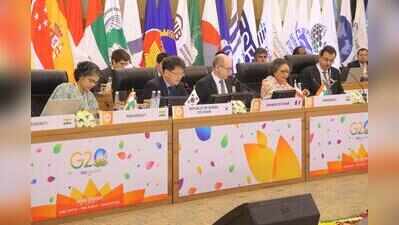
Chandigarh: Representatives from 21 countries, including health ministers, senior officials and experts from the 11 BRICS member nations and 10 partner countries, will converge on Chandigarh from July 21 for two key health-track events under India’s BRICS 2026 Chairship. The meetings mark the city’s biggest ministerial-level international engagement since the G20 events hosted here in 2023.Chosen as one of eight Indian cities to host high-level ministerial engagements during India’s BRICS presidency, Chandigarh will host the BRICS health ministerial meeting and the BRICS meeting on Traditional, Complementary and Integrative Medicine (TCIM) — the first BRICS ministerial-level event to be held in the city.The five-day programme, from July 21 to 25, is being jointly organised by the Union ministry of health and family welfare and the ministry of Ayush under the theme “Building for Resilience, Innovation, Cooperation and Sustainability.”A major highlight will be the high-level ‘Health Without Borders’ conference, featuring 26 technical sessions involving ministers, policymakers, public health experts and researchers from participating countries.Traditional, complementary and integrative Medicine will be at the centre of the Chandigarh deliberations. The ministry of Ayush will lead discussions on integrating traditional medicine into mainstream healthcare and strengthening international cooperation through evidence-based practices.Participating countries are expected to finalise the Terms of Reference for a BRICS expert working group on TCIM, paving the way for collaboration in research, clinical validation, digital knowledge-sharing, regulatory harmonisation and protection of traditional medical knowledge.The health ministerial meeting will also review progress on nine priority areas under the BRICS health agenda, including preventive healthcare, mental health, pandemic preparedness, tuberculosis research, digital health architecture, regulatory convergence for medicines and strategies to tackle diseases linked to social and economic determinants of health.Officials said recommendations emerging from the Chandigarh meetings would feed into the broader BRICS health agenda ahead of the leaders’ summit, with a focus on resilient health systems, innovation, equitable healthcare access and stronger cross-border cooperation.The Chandigarh meetings are expected to build on years of collaboration among BRICS nations in areas such as communicable and non-communicable diseases, affordable medicines, pandemic preparedness, health technology innovation and universal health coverage, while giving fresh momentum to cooperation in traditional medicine.