








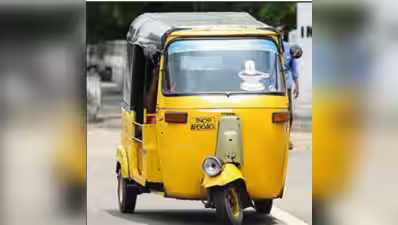
Chennai: Nearly 70% of auto drivers in Chennai are interested in switching to electric autorickshaws, but high vehicle costs and inadequate charging infrastructure are slowing adoption, according to a study by Citizen Consumer and Civic Action Group (CAG). The shift could reduce vehicular emissions and improve air quality, as autorickshaws account for about 48% of the city’s transport vehicles.The study surveyed 1,008 drivers. Daily travel generated 8,118 metric tonnes of carbon dioxide equivalent (CO2e) in 2023, according to Cumta’s Comprehensive Mobility Plan, and could rise to 9,274 tonnes by 2048. Road transport accounts for 90% of transport emissions. An LPG auto emits about 0.005 tonnes of PM10 and 3.72 tonnes of carbon dioxide annually.“Drivers reveal that although there is substantial interest in E-autos, a combination of high upfront costs, limited charging infrastructure, financing challenges, and technology concerns inhibits large-scale adoption,” the report said. “Additional barriers include lack of service centres, fear of battery failure or explosion, and usability during rain and floods.”The transition faces an ownership hurdle: 60.5% of drivers do not own their autos and spend 15-30% of daily earnings on rent. Subsidies limited to buyers could leave many out. Nearly 76% travel 60-100km daily, but drivers in rented homes often cannot install home chargers. Public charging points are scarce and many are incompatible with three-wheelers.More than 77% expressed interest in retrofitting existing autos. Chennai has five registered retrofitting agencies, Cumta Member Secretary Jeyakumar Iyamperumal said. Electric three-wheeler registrations rose from 691 in 2023 to 2,115 in 2025, against a fleet of over one lakh autos. Cumta is developing an auto aggregator app, expected by May 2027.Annual energy costs are estimated at ₹29,200 for an electric auto, against ₹82,394 for a CNG auto. Interest was higher among drivers who had driven electric autos (77.1%) than those without experience (66.7%). CAG Senior Researcher Nina Subramani said the transition “cannot rest on drivers alone” and needs an enabling ecosystem.CAG recommends affordable loans, revised subsidies, battery-leasing and rental models, more public and fast-charging facilities, stronger service networks, flood-resilient infrastructure and demonstration drives.