








Kolkata: Around 15% of couples seeking assisted reproduction in Kolkata were now below 30 years old, indicating infertility was no longer limited to older couples, said fertility experts on World IVF Day on Saturday.City doctors have also observed a growing number of first-time fertility consultations from urban professionals aged 32-40 years, with many couples seeking specialist care only after several years of unsuccessful attempts at conception. “By then, declining ovarian reserve and age-related changes may reduce the chances of successful treatment. Fertility counselling, ovarian reserve assessment and reproductive life planning should become part of routine preventive healthcare for young adults,” said Bani Kumar Mitra, founder and chief consultant, Abha Surgy Centre, a fertility clinic.
CJP Jantar Mantar Protest Updates
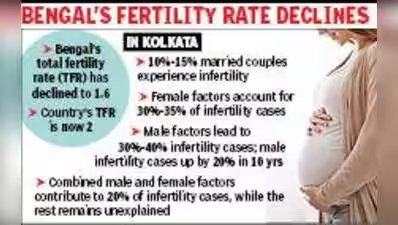
A defining characteristic of infertility among couples in Kolkata was that it often remained silent, said fertility experts, adding some underlying conditions produced only a few or no obvious symptoms until pregnancy was prevented. Irregular or absent periods, severe menstrual pain, known endometriosis, previous pelvic infections or testicular conditions might indicate the need for an earlier consultation, said experts.As a general guideline, couples in which the woman was below 35 might consider an evaluation after 12 months of regular attempts without pregnancy, said Swati Mishra, fertility specialist, Birla Fertility & IVF, Kolkata. “For women above 35, an evaluation is usually advised after six months. An earlier consultation may be appropriate when there are known reproductive health concerns. An infertility evaluation does not automatically mean in vitro fertilization (IVF). It usually begins with understanding the couple’s medical history, menstrual cycles, ovulation, ovarian reserve, uterine and tubal health, along with a semen analysis for the male partner. Depending on the diagnosis, treatment may include lifestyle changes, medication to support ovulation, IUI, IVF, ICSI or other specialised fertility care,” said Mishra.Male factors now contribute to 35%-40% of infertility cases seen in fertility clinics. A rise in male infertility contributed to late detection of fertility issues, said Charnock Hospital gynaecologist Dibyendu Banerjee. “The primary reasons behind male infertility are stress, hypertension, unhealthy diet, smoking, diabetes and hypothyroidism. Today, men are behind 30%-40% of all infertility cases. Still, if a couple can’t have a child, the woman is always held responsible. We advise men to check sperm count if a couple can’t have a child in a year,” said Banerjee.While Bengal’s total fertility rate (TFR) stands at 1.6, significantly below the replacement level of 2.1, Bengal is among the Indian states where families are becoming smaller and parenthood is increasingly being delayed. Fertility specialists across Kolkata are simultaneously reporting a rise in consultations from working professionals in their early 30s and 40s, many of whom seek medical advice only after prolonged unsuccessful attempts at conception. This was compounded by male infertility, which had increased by 20% over the past decade in Kolkata, said experts.Couples dealing with male-factor infertility, advanced reproductive age, low ovarian reserve and unexplained infertility were common, said Mishra. “We are also seeing younger women with PCOS, endometriosis, thyroid disorders, irregular menstrual cycles and low AMH levels, which can indicate reduced ovarian reserve. This shows that fertility concerns are not limited to couples in their late thirties or forties.”Several factors are contributing to this change, said Mitra. Many couples are choosing to become parents later because of career priorities, financial planning and evolving personal goals. While these are valid decisions, fertility declines with age, particularly for women after the mid-thirties, as both the number and quality of eggs reduce. “Obesity, smoking, excessive alcohol consumption, poor sleep and certain medical conditions can also affect ovulation, egg quality or sperm parameters,” added Mitra.