











Despite significant efforts to raise awareness and put in place laws meant to end ragging, this serious issue continues to exist in many schools and colleges. Many individuals choose to ignore ragging viewing it as a “tradition” or a harmless aspect of their collegiate experience; however, its effect on the victim is seldom viewed in the same manner. For one individual, ragging may be perceived as humourous whereas for the other individual, the victim may carry emotional scars from the experience and/or suffer from post-traumatic stress disorder or in extreme cases, end up costing the victim their life.
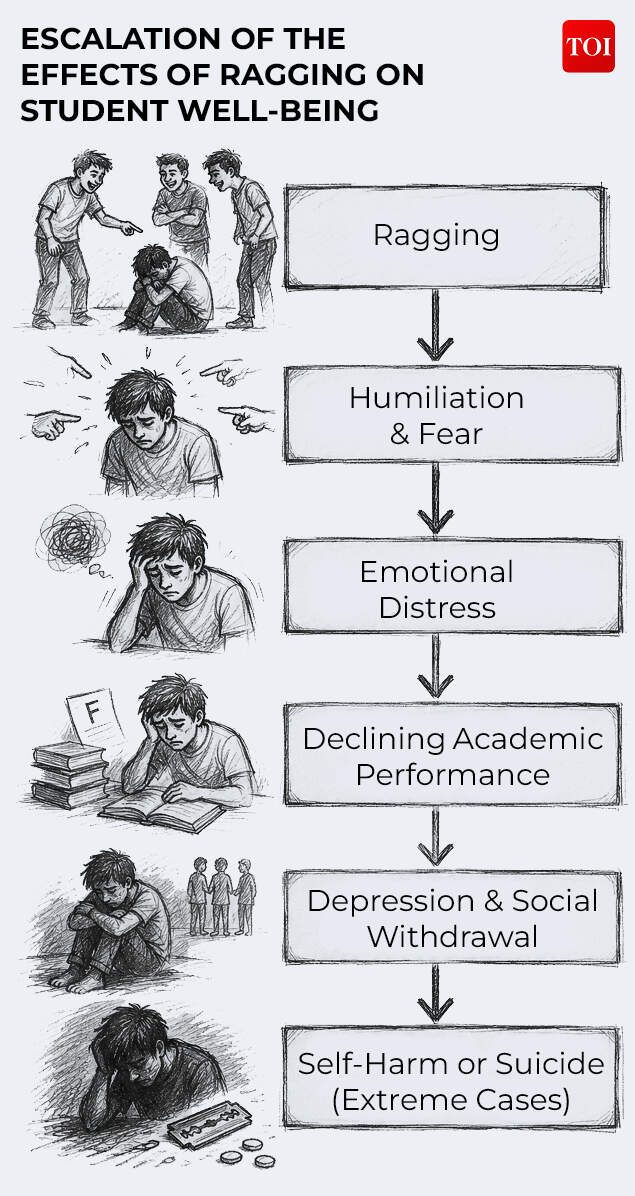
Year after year, thousands of new students enter college hoping to meet new people, study and begin building their futures. Many, however, will experience fear, humiliation, and abuse by senior students. While some continue to move on from their experiences, many carry the emotional scars of their experiences for many years. In some cases, the trauma from these experiences may ultimately lead to depression, self-harm, or suicide.The truth is that there is nothing “harmless” about ragging. Ragging can involve emotional abuse, physical violence, humiliation, sexual harassment, sleep deprivation and humiliating a person both physically and mentally. What may seem like a harmless prank to one person may have a long-lasting impact on another persons’ self-confidence and overall mental health. Many victims of ragging do not report incidents of ragging because they are afraid of retaliation, being ostracised, or not being taken seriously. Therefore, many students keep their complaints to themselves and suffer immensely from the mental and physical toll that ragging takes on them.
- Provide students with a safe environment where they can grow with confidence and dignity.
- Encourage education, creativity, and the overall development of every individual.
The sad truth, however, is that ragging creates a climate of fear and insecurity for students; as a result, students become anxious about attending classes and living in dormitories. What could be a memorable time in the lives of these students often becomes a nightmare for them.
What exactly is ragging?
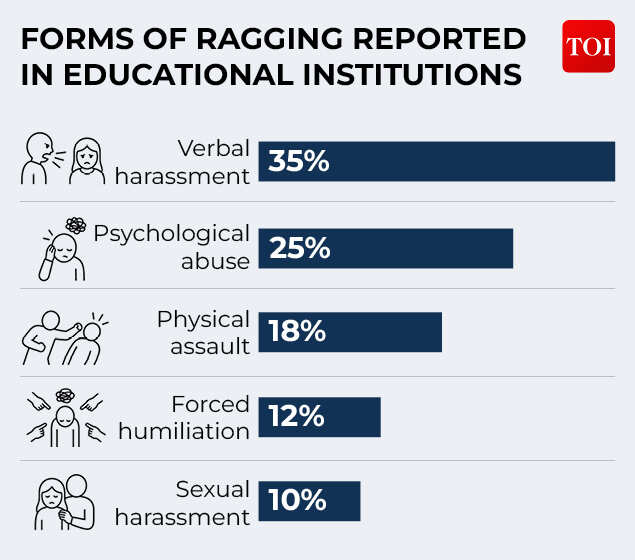
Ragging is any act by senior students that causes physical, emotional, or psychological harm to juniors. It is often disguised as an “introduction” or a “tradition,” but in reality, it is a form of bullying. Instead of helping students adjust to college life, ragging creates fear, insecurity, and humiliation.It can take many forms, including:
- Verbal abuse and insulting language.
- Physical assault or forced physical activities.
- Public humiliation and embarrassing tasks.
- Sexual harassment or inappropriate behaviour.
- Sleep deprivation and denial of food.
- Threats, intimidation, and mental harassment.
Many seniors argue that ragging helps juniors become more confident or teaches them discipline. However, respect cannot be built through fear. Real friendships develop through kindness, guidance, and mutual understanding—not humiliation.
Real-life cases that show the reality of ragging
Reading about the effects of ragging is one thing, but real incidents reveal just how devastating it can be. Behind every newspaper headline is a student whose dreams were cut short because of abuse and humiliation.
Case 1: Anup Kapoor – A life lost to humiliation
One of the earliest cases that drew national attention was that of engineering student Anup Kapoor, who reportedly died by suicide after allegedly facing severe ragging inside his hostel. According to media reports, he had endured repeated humiliation and mental torture. His tragic death shocked people across the country and became a reminder that emotional abuse can be just as damaging as physical violence.
Case 2: Nitin Padalkar – Months of harassment end in tragedy
Another heartbreaking incident involved Nitin Padalkar, a 19-year-old engineering student from Navi Mumbai. Reports stated that he had been harassed by senior students for months before taking his own life. His suicide note reportedly mentioned those responsible for the continuous ragging he had experienced. The incident highlighted how prolonged bullying can leave victims feeling trapped and hopeless.
Case 3: Bhavnagar Medical College – A reminder that ragging still exists
Ragging is not just a problem of the past. In 2025, The Times of India reported a disturbing incident at Government Medical College, Bhavnagar, Gujarat. Junior students alleged that they were forced to stay awake throughout the night, perform humiliating punishments, and endure both physical and mental harassment. CCTV footage and student complaints eventually led to disciplinary action against several senior students. The incident proved that despite strict anti-ragging regulations, such practices continue to exist.The stories of Anup Kapoor, Nitin Padalkar, and the students at Bhavnagar Medical College are painful reminders that ragging is far more than a harmless college tradition. Behind every such incident is a young student who entered college with dreams and aspirations but instead experienced fear, humiliation, and emotional suffering. These real-life examples show how ragging can affect every aspect of a student’s life, from mental well-being to physical health and academic performance.
Impact of ragging is an emotional wound
The worst effects of ragging are usually those that are invisible. A bruise will heal in about two weeks, but humiliation, fear and emotional trauma can last for years.Students who have experienced ragging can suffer from:
- Ongoing fear that they will not be able to attend classes or go home to the hostel.
- Confidence loss from continuing insults and humiliation throughout the year.
- Depression or loneliness.
- Academic failure due to stress and concentrating on other things.
- Fear of retaliation if they report it.
Many students choose to avoid social situations, do not join in on college activities and even isolate themselves from friends. Their excitement about going to college diminishes, and they become emotionally and physically fatigued.
The physical consequences of ragging
Ragging can have serious physical consequences and not only impact a person’s mental health. Victims can suffer from:
- Physical abuse (beatings, slapping etc.)
- Forced physical activities until exhaustion
- Having to go without sleep for several nights
- Being deprived of food and/or water as punishment
- Standing for long hours to perform physically painful tasks
As a result of these behaviors, victims can suffer from physical injuries, dehydration, chronic fatigue, headaches, weakened immune system and other health complications and some victims will need medical attention or hospitalization.
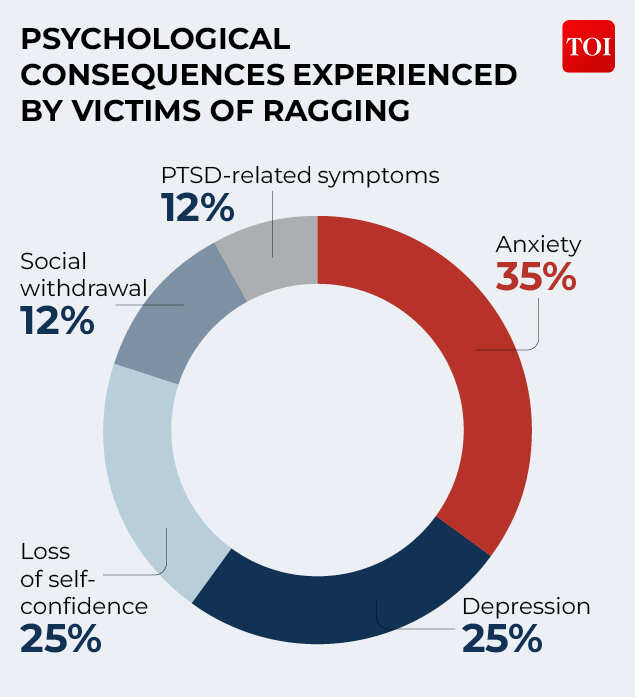
Psychological trauma can last for many years
After the ragging is finished, many students will still experience negative effects from ragging. The psychological scars will not just vanish. Some examples of the long-lasting psychological effects of ragging are:
- Panic attacks
- Nightmares and flashbacks
- Low self-esteem
- Difficulty trusting others
- Post-traumatic stress disorder-like symptoms
- (Insert additional examples of long-lasting psychological effects of ragging)
These traumatic experiences also affect students’ academic performance. Students who performed well academically may find themselves disinterested in schoolwork, skipping classes or dropping out of college, as a result of the traumatic experience of ragging. The effects of ragging may last into adulthood and affect victims’ careers and quality of life.
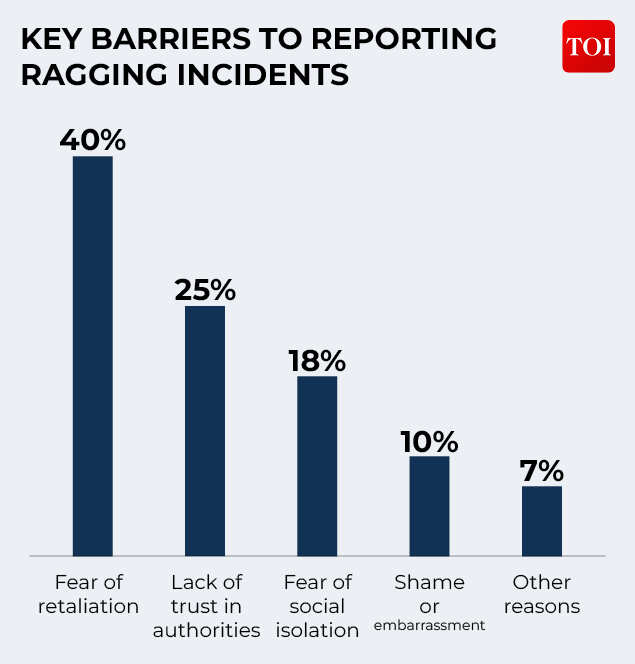
Reasons why victims do not report ragging
A significant barrier to resolving ragging is that many victims do not report their experiences.Some of the reasons that victims choose to remain silent includeThere are several reasons for this silence:
- Fear of revenge from senior students.
- Fear of being labelled as weak or oversensitive.
- Concern that classmates may isolate them.
- Lack of confidence in the college administration.
- Emotional shock and confusion.
Many freshers are away from home for the first time and have no immediate support system. They often believe that enduring the abuse is easier than speaking out, allowing ragging to continue unchecked.
The responsibility of educational institutions
Educational institutions play the most important role in preventing ragging. A safe campus is not created by rules alone but by actively enforcing them.Every institution should:
- Maintain an active Anti-Ragging Committee.
- Conduct regular hostel inspections.
- Provide confidential complaint mechanisms.
- Offer professional counselling services.
- Organise awareness programmes for students and staff.
Teachers and administrators must encourage students to report incidents without fear. Every complaint should be investigated promptly and fairly.
The need for stricter action
Although India has anti-ragging laws, enforcement is not always effective. Stronger action is necessary to ensure that students feel safe.Strict measures should include:
- Immediate suspension of students involved in ragging.
- Expulsion in serious cases.
- Hostel eviction for offenders.
- Criminal proceedings wherever applicable.
- Accountability for institutions that ignore complaints.
When strict action is taken, it sends a clear message that student safety is more important than preserving harmful traditions.
Building a better campus culture
Ending ragging requires more than punishment—it requires a change in mindset.Colleges should promote:
- Mentorship programmes where seniors guide juniors.
- Friendly orientation sessions instead of intimidating introductions.
- Student support groups.
- Mental health awareness campaigns.
- A culture of empathy, inclusion, and mutual respect.
Seniors should be role models who help juniors settle into college life rather than making them fear it.
A call for change
Student’s hopes when entering their university environment typically revolve around academic, personal, professional, and social growth. Students often feel discouraged from pursuing their educational aspirations due to fear associated with possible harassments experienced during their college experience. While some individuals have tried to downplay ragging as a harmless rite of passage, the long-lasting effects that result from those who are on the receiving end of “ragging” are insightful in that these victims can experience emotional distress, physical injuries, psychological trauma, and life-altering tragedies.Ragging does not foster confidence, discipline, or friendship, but rather it helps instil fear, density of self-esteem, and damages other areas of a person’s life (e.g., philosophy, morals, spirituality, religion).Every institution of higher education, every educator, every parent, and every student are responsible for attaining a safe environment on college campuses that will ensure everyone is treated with dignity and respect.A college should be remembered as a place that provides education, forms friendships, and provides opportunities for all—not as a place of fear. Only through the abstention from ragging—and embracing empathy, guidance, and respect for one another—will educational institutions provide a safe environment where all students feel safe, appreciated, and free to realise their potential.