





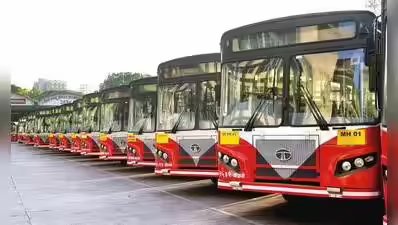
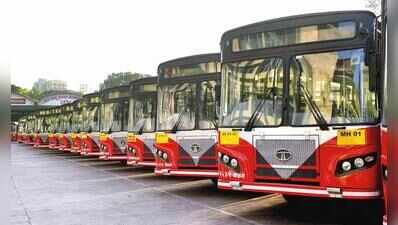
Mumbai: The BEST has said that it intends to become self-sustainable from next year and that this year would be the last in which it would seek financial support from the BMC.BEST General Manager Sonia Sethi, who addressed BMC standing committee members on Thursday, said the chief minister and deputy chief ministers told BEST that it approaches the BMC every year for grants and that such an arrangement was not sustainable. Therefore, BEST has to become financially self-sustainable. Accordingly, BEST appointed a consultant for a turnaround plan, and likewise a proposal has already been submitted. It will soon be placed before the state cabinet. Sethi expressed confidence that the undertaking would become financially sustainable from the next financial year.This year, too, a grant of Rs 1,000 crore has been approved by the BMC standing committee, of which Rs 500 crore has already been released. Sethi has sought an additional grant of Rs 1,300 crore. A total of Rs 12,312 crore has been provided to BEST as financial assistance by the BMC between 2012-13 and 2025-26.Against this backdrop, standing committee chairman Prabhakar Shinde directed BEST representatives to remain present at the standing committee meeting and provide detailed information on how the grants provided by the BMC were utilised.Sethi thereafter made a presentation explaining the utilisation of the money. According to the presentation, the undertaking is currently facing significant financial stress and is projected to incur a deficit of Rs 2,439 crore in transport operations in 2026-27, compared to a deficit of Rs 2,196 crore in 2025-26. As employee gratuity has not been paid for the past two years, BEST will require Rs 1,751 crore by the end of this financial year to clear pending gratuity dues of retired employees for the period between June 2024 and March 2027. The outstanding gratuity amount of retired employees will be paid in a lump sum within this year, as per the assurance given during a meeting between the chief minister and employee unions.To improve its finances, BEST has undertaken various measures, including reducing its self-owned bus fleet to 249 buses and increasing the number of wet-leased buses to 2,555, rationalising routes, revising fares in May 2025, freezing employee recruitment since 2016, and focusing on non-fare revenue sources such as advertisements on bus shelters, leasing of shops, public EV charging points, hoardings and billboards. Other measures include increasing revenue from advertisements on street lights and implementing the smart meter scheme.