








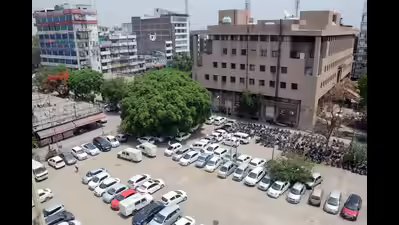
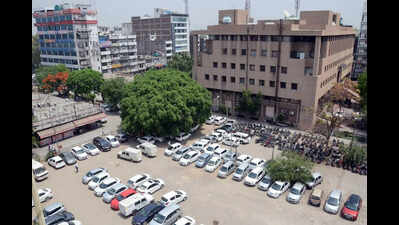
Ludhiana: Bureaucratic gridlock and a loophole-ridden 2022 contract have left this industrial hub stuck with the same parking operators for nearly four years, sparking public backlash over widespread overcharging.As the party in office in the city as well as the state, AAP faces growing scrutiny ahead of the assembly elections for these repeated extensions of parking site contracts. Local officials blame senior authorities for administrative delays, citing prolonged debates over changes to fixed terms and conditions for the bidding process.The municipal corporation auctioned six major parking sites in 2022 shortly after the Aam Aadmi Party took charge of Punjab. These included the Sarabha Nagar, Feroze Gandhi, Model Town Extension, BRS Nagar, and Bhadhaur House markets, as well as the multi-storey parking facility near Mata Rani Chowk.While the civic body typically awards parking contracts for one year, the 2022 agreement included a clause allowing extensions until a new contractor is hired. Officials have repeatedly used this clause to extend the existing contracts, sparking criticism from local residents.The initial 2022 contract drew immediate controversy over an hourly pricing model. While local lawmakers later intervened to stabilise rates, allegations of contractor’s overcharging have persisted.An anonymous civic official said the approval process was stalled because the finance and contracts committee could not meet until a mayor was elected in Jan 2025. The official added that the civic body had revised the terms and conditions recently to prevent the current contractor from winning the next round of bidding automatically, but the file was delayed in administrative channels.Municipal commissioner Neeru Katyal Gupta said the updated terms were now finalised. “We will float fresh tenders shortly,” Gupta said. “The parking lots will be handed over to the contractor for the benefit of the general public so that there should be no harassment to them.”Despite official assurances to curb overcharging, residents report that enforcement remains weak on the ground, with the civic body failing to penalise non-compliant operators.