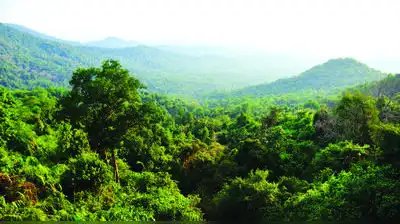










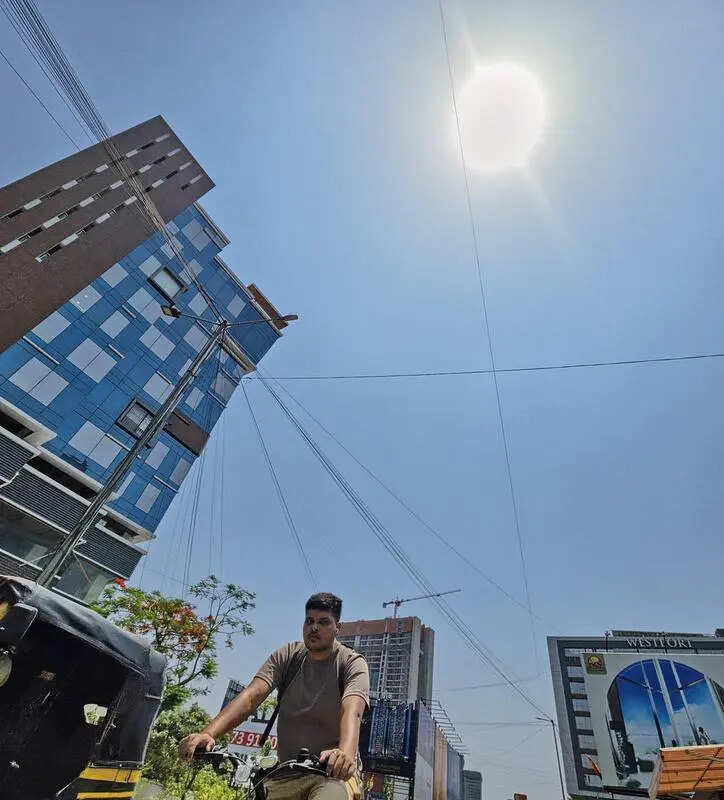
Pune: The India Meteorological Department (IMD) on Tuesday issued a heatwave alert for several parts of Maharashtra, warning of persistently high temperatures and minimal nighttime relief over the coming days. The warning comes amid intense heat spell in the city, with daytime temperatures soaring past 43°C and even nights turning uncomfortably warm.According to IMD, heatwave conditions are expected in Vidarbha till May 16, Konkan and Goa on Tuesday, Madhya Maharashtra and Gujarat till May 14 and Marathwada till May 15.In Pune, nights have remained unusually hot, with several areas recording elevated minimum temperatures on Tuesday. Magarpatta logged a minimum of 28.1°C, Koregaon Park 27.6°C and Lohegaon 27°C, while Shivajinagar recorded 26.3°C. In contrast, greener and less urbanised pockets were relatively cooler, with NDA recording 21.8°C, Lavale 23.7°C and Pashan 24.2°C.Meteorologists attributed this sharp variation to the urban heat island effect, under which densely built-up areas with concrete structures, asphalt roads, vehicular emissions and limited green cover tend to absorb heat during the day and release it slowly at night, keeping temperatures elevated.Accordingly, rapidly urbanised areas like Magarpatta, Koregaon Park and Lohegaon remained noticeably warmer, while more open and green areas like NDA and Lavale were comparatively cooler. Extensive built-up surfaces around the Lohegaon airport region have also contributed to higher retained heat, the meteorologists said.Lohegaon recorded the highest maximum temperature in the Pune region at 43.2°C on Tuesday, while Shivajinagar touched 40.8°C and Koregaon Park recorded 40.7°C, IMD data showed. Lavale recorded 39.3°C and Chinchwad 38.9°C during the day. On Monday, Shivajinagar recorded a maximum temperature of 41.6°C, surpassing recent May highs over the past decade. Despite this, IMD scientist SD Sanap said Pune had not yet officially met the heatwave criteria. “Shivajinagar departures are not greater than 4.5°C. And although Lohegaon crossed 43°C, we lack long-term data there to calculate departures from normal,” Sanap said.He, however, urged residents to remain cautious. “With temperatures exceeding 40°C, people should continue to follow advisories and take necessary precautions,” Sanap said.Explaining the unusually warm nights, Sanap pointed to calm wind conditions and trapped heat in urban areas. “Daytime heat is not dissipating due to weak surface winds. In addition, the urban heat island effect means cemented surfaces absorb heat and release it gradually, keeping nights warm,” he said.Sanap said while some cloud formation occurred in the afternoon and evening hours, it did not sustain enough to significantly impact nighttime temperatures. He also highlighted the role of larger weather systems. “An anti-cyclonic circulation over the Arabian Sea, clear skies and northerly winds are contributing to the temperature rise across parts of Maharashtra. Northerly winds are bringing warmer air from already hot regions. Combined with clear skies and calm winds, this is driving up temperatures,” he said.IMD does not expect rainfall over the region for at least the next four to five days, and temperatures are likely to remain elevated during both day and night.