








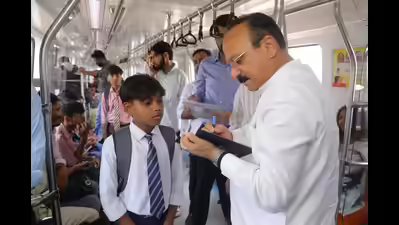
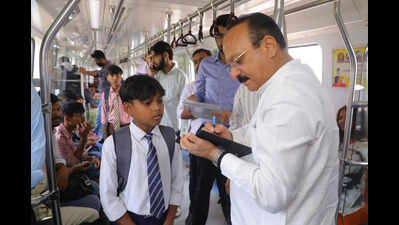
New Delhi: Delhi govt has launched a district-wise outreach initiative to assess ground realities in govt schools and understand the challenges faced by educators, with education minister Ashish Sood he planning to visit every district over the next two weeks to directly engage with teachers and school heads.The initiative began with an interaction programme organised by the education department at CM Shri School in Surajmal Vihar on Tuesday, where Sood met over 90 principals and heads of schools from East district’s zones 1 and 2. According to officials, the exercise is aimed at gathering feedback on issues affecting the education system and identifying areas requiring administrative and infrastructural intervention.In the wake of Prime Minister Narendra Modi urging citizens to use public transport, Sood travelled by Delhi Metro from INA to Karkardooma Court and later took an e-rickshaw to the school. During the interaction, he reviewed facilities available in schools and directed officials to further strengthen classrooms, laboratories, libraries, sports infrastructure, drinking water facilities, toilets and digital education systems.“The purpose of the interaction programme was to directly understand challenges faced at the school level, gather suggestions from teachers and school administrators, and make govt schools more modern, empowered and student-friendly,” Sood said, stressing the importance of discipline, regular attendance, modern teaching methods and greater student participation in schools.He added, “Students’ bright futures can only be ensured through the collective efforts of teachers, school administrations and parents. I appeal to school heads to encourage student talent and promote innovation-based learning activities.”Officials said the district-level meetings were expected to cover a wide range of policy and administrative matters. Among the probable issues are academic performance under revised CBSE norms, regular school inspections by deputy directors of education, sharing of best practices among schools and recognising high-performing institutions.The meetings are also expected to focus on reducing the non-academic burden on teachers. Suggestions that may come up include engaging teachers primarily in academic work while assigning administrative responsibilities to dedicated staff. Issues related to leave approvals, medical cases, retirement dues and biometric attendance systems may also be discussed.In the first round of interactions, several principals highlighted the positive impact of smart classrooms and digital infrastructure in schools. According to participants, smartboards and digital learning tools have made classroom teaching more interactive while helping improve student attendance and participation. School heads also spoke about the role of ICT and language labs, and digitised learning resources in enhancing learning outcomes and increasing students’ interest in studies.Officials added that future consultations might also include discussions on extracurricular participation, sports, teacher training during vacations, and measures to improve overall school functioning and learning outcomes across govt schools.