





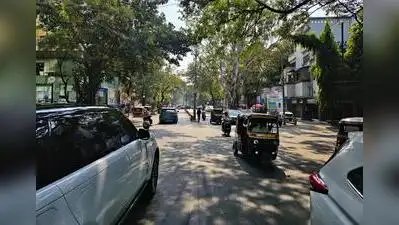

Pune: Pune Municipal Corporation (PMC) has halted the grant of additional construction benefits, such as premium Floor Space Index (FSI) and Transferable Development Rights (TDR) along roads earmarked for widening unless the stretches are physically developed to their full proposed width along their entire length.Pune municipal commissioner Naval Kishore Ram issued an office circular on Friday (Nov 27), enforcing the new rule with immediate effect. The order applies to all new, extension and revised building proposals received after the date of the circular for properties abutting roads marked for widening under Section 210 of the Maharashtra Municipal Corporations Act.According to PMC officials, until now, road-widening proposals submitted by civic departments under Section 210 were approved with the sanction of Standing Committee. Developers frequently availed themselves of higher FSI and TDR incentives under Unified Development Control and Promotion Regulations (UDCPR-2020) based merely on the proposed road width on paper, even when the road had not been physically widened.In the circular, Ram stated that “granting building permissions based on proposed widths without actual road development creates severe additional strain on existing narrow roads and municipal amenities provided by the PMC”.He added that the new orders had been issued to prevent this mismatch between high-density construction and inadequate road capacity. “The city engineer’s office has to ensure that no additional benefits under Section 210 are deemed admissible until the entire stretch of the proposed road is actually developed on site to its stipulated width,” said Ram.Urban planners and activists have welcomed the move. “The move is good. But the administration must ensure that property owners are not harassed unnecessarily through the use of this provision. PMC should focus on developing and widening Development Plan (DP) roads on a priority basis,” said Sudhir Kulkarni of Nagari Hakka Samiti, a citizens’ group.Nitin Deshpande of Marathi Bandhkam Vyavsayik Sanghatana, a developers’ association, said the move was in the right direction. “The circular is good in the larger interest. It will help reduce traffic problems in many areas caused by the difference between proposed road widths and the actual ground situation,” he said. Deshapande added as the municipal corporation has granted approval under Section 210, it ought to carry out the prescribed procedure and actually execute the road widening.As per PMC data, an average of 2,500 to 3,000 building permissions are granted every year. Nearly 20% of these permissions are granted for properties along proposed roads.The civic body’s aim is to curb overburdening of urban infrastructure.