









A widow in her sixties keeps her husband’s reading glasses on the bedside table, exactly where he left them. Months have passed. Some mornings, she still sets out two cups before she remembers.Grief like hers does not follow a timetable. Chapter 2, Verse 20 of the Bhagavad Gita offers deep comfort. Krishna tells Arjuna that the soul is never born and never dies. It did not come into being and will not cease to be. Unborn and eternal, it is not destroyed when the body is.
The Body Ends, the Self Continues
Krishna separates the body, which changes and ends, from the self, which does not. The verse does not deny loss. It widens the view beyond it.For many grieving families, this idea offers a thread of continuity.
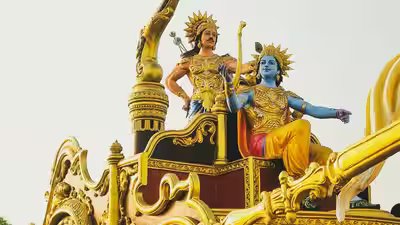
Krishna Smiled Before He Spoke
Just before the teaching begins, the Gita describes Krishna speaking to the grieving Arjuna as if smiling.That small detail matters. Comfort arrived with warmth, well before any argument.
Heaviness Needs Time
A heavy heart rarely lifts in a week. Rituals and quiet tears both belong to the process.So allow grief its own pace. Pushing it away often makes it stay longer.
Shared Grief Feels Lighter
Talking about the person who has gone keeps their memory warm. Families who share stories at mealtimes often find the silence less painful.If sorrow stays crushing for months, a counsellor or doctor can help.
Arjuna Grieved in Advance
Arjuna mourned his elders before the battle had even started. Krishna’s first words of teaching spoke to that grief directly.The rest of the Gita grows from that starting point, in compassion for a weighed-down heart.
The Glasses on the Table
Verse 20 of Chapter 2 offers a view of life larger than any single loss. It can sit quietly beside grief without hurrying it.The widow still keeps the glasses on the bedside table. Lately, she has started reading his favourite books in the evenings, one chapter at a time.