











Niyati Parikh, Parag Dave & Yagnesh Mehta | TNN
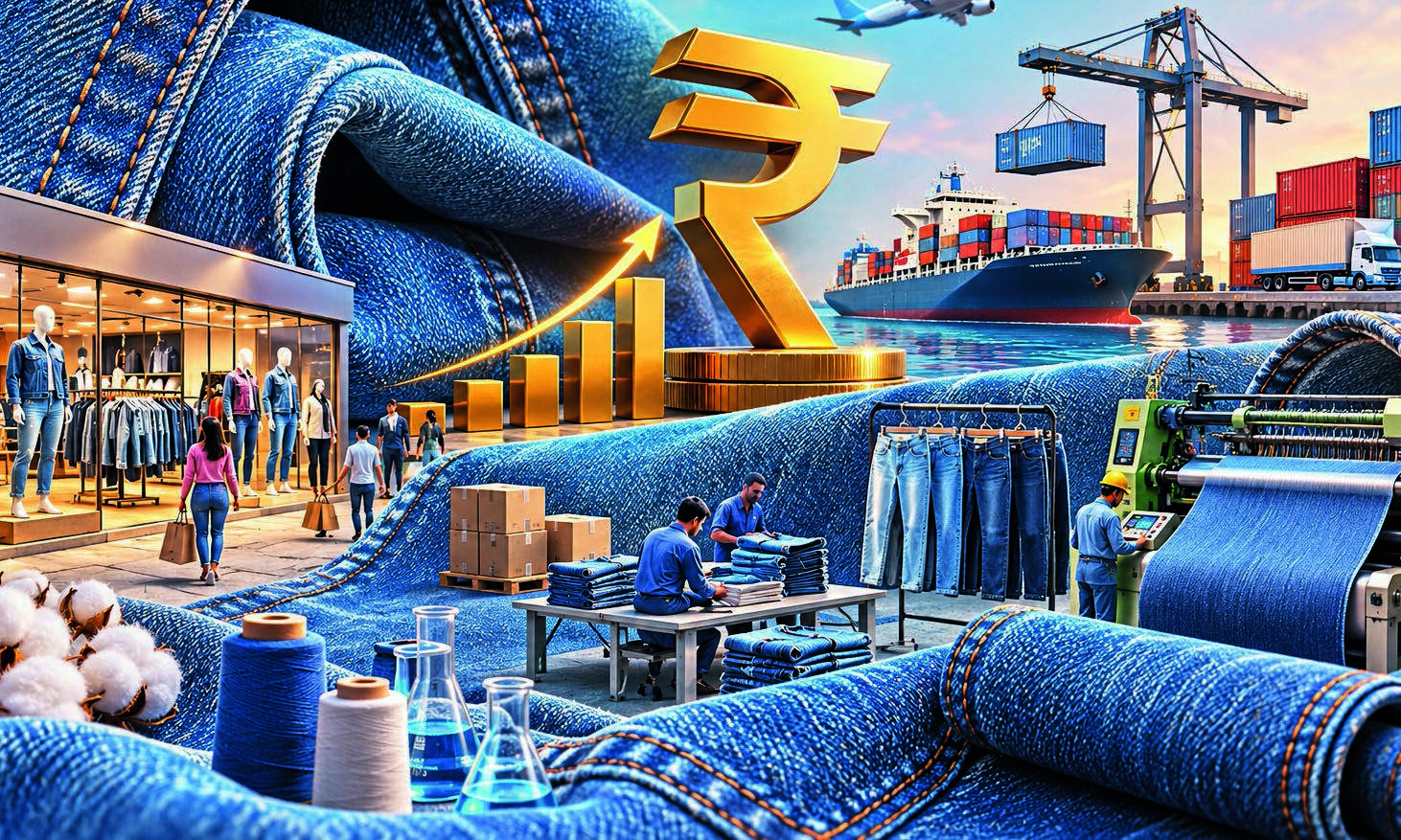
At a time when the entire textile value chain is facing inflationary pressures with a rise in raw material and fuel costs, denim mills in Gujarat have shown exceptional resilience.Driven by fresh order volumes in both domestic and export markets, denim mills in the state are operating at 80-85% capacity utilisation, according to industry estimates. Several manufacturers have up to two months of confirmed orders, signalling stronger buying from garment makers rebuilding inventories.According to industry players, changing fashion preferences, particularly the shift towards baggy, wide-legged and relaxed fits, are providing an additional boost to fabric demand. The improvement follows a period of inventory correction across the supply chain.However, challenges continue for denim manufacturers. Higher costs of cotton yarn, dyes, chemicals and energy continue to weigh on their margins. Buyers too remain cautious about accepting price increases, limiting the extent to which mills can pass on higher production costs.Domestic Demand: Denim Moves Beyond JeansChanging fashion and silhouette preferences are key demand drivers for denim manufacturers. For instance, Relaxed fits, baggy styles and wide-legged designs have gained traction over the past 12-18 months.“Brands are experimenting with different fabric weights, washes, textures and finishes. Denim is expanding beyond conventional jeans. Shirts, jackets, dresses and casualwear are creating additional applications for the fabric. Its appeal across age groups and consumer segments also gives manufacturers a wider market,” said Rahul Shah, a denim manufacturer based in Ahmedabad.Organised retail, value-fashion brands and large garment manufacturers are supporting procurement across product categories, say industry players.Industry estimates suggest some baggy styles use 25-35% more fabric than slim-fit jeans of the same size. This can increase fabric orders even when garment production volumes remain unchanged. The trend is also influencing fabric and yarn preferences.Yarn trader Ronak Kejriwal said, “The demand for cotton Lycra and EliTwist articles had softened, while coarser open-end (OE) cotton counts are seeing stronger demand. The shift reflects changing requirements among denim manufacturers as brands move towards more traditional, rigid constructions.” This is influencing procurement patterns. Sourcing managers report quicker replenishment of rigid denim, prompting spinners and weavers to adjust volume capacity of coarse yarns.Exports: Sourcing Diversification Opens OpportunitiesExport markets are showing signs of recovery, with Bangladesh continuing to be an important destination for denim manufactured in India. Vietnam and Latin American countries like Colombia, Mexico and Guatemala are also emerging as potential growth markets.Ronak Chiripal, promoter, Chiripal Group, said, “The UK and European markets are showing fresh interest. Global buyers are exploring alternative sourcing destinations.”He added, “Indian manufacturers could benefit from this shift through their established manufacturing base, product development capabilities and competitive lead times in addition to quality of product.”Export markets are also adjusting to higher input costs. Brands and buyers are recalibrating sourcing budgets and retail prices, limiting the pace of demand growth in some overseas markets.Manufacturers are looking to develop new geographies to sustain exports.“Global demand is slow, and we are pushing to increase sales. High raw material prices are keeping denim prices elevated,” said Bharat Patel, managing director of Ultra Denim.While some manufacturers report slower demand in overseas markets, others are seeing steady orders across domestic as well as export channels.Sourav Jalan, director of Syama Denims, said, “We are witnessing sustained purchases from Indian garment manufacturers alongside stable export demand. Denim is back in fashion, and the impact is visible in our order books.” Syama Denims has an installed capacity of around 30 million metres a year.Industry players say converting enquiries into sustained orders remains critical. Consistent quality, reliable deliveries and competitive pricing will determine how much business Indian suppliers can secure.Finding The Right Price Point: Fabric Costlier, Margins Under PressureHigher input costs are complicating demand recovery. Cotton yarn, dyes, chemicals and energy have become more expensive, prompting manufacturers to revise fabric prices.“Fabric prices had increased by 5-6% across several categories. The increase varies according to product specifications. Passing on the entire cost escalation remains difficult. Buyers continue to negotiate, limiting manufacturers’ ability to recover higher production costs,” said Chiripal.Despite the cost escalation, industry participants describe market conditions as stable. Demand has held up without a sharp decline after increase in fabric prices. However, buyers are taking longer to accept revised prices, slowing the recovery in some segments, particularly in the domestic market.Currency movements add another layer of uncertainty for exporters. A stronger dollar can improve rupee realisations on overseas orders, but exchange-rate volatility complicates pricing and delivery commitments.“Demand is keeping mills busy. The challenge is protecting margins and planning ahead when costs can move significantly between the day we quote and the day we deliver,” Jalan said.Vinod Mittal, chairman of Vinod Denim, said, “Fluctuations in cotton prices exposed manufacturers to procurement risks. The impact depends on when changes in cotton prices feed into yarn costs.”Protecting Margins: Mills Explore Blends, Premium ProductsManufacturers are exploring multiple strategies to sustain growth as rising cotton prices continue to pressure margins. Cotton has become costlier over recent months. Several companies have begun working on alternative product and process approaches. These include fabric blending to reduce dependence on high-cost cotton, adopting new processing techniques to improve efficiency, and repositioning offerings toward premium categories where higher pricing is easier to absorb.“Experimenting to improve product quality and business efficiency is a continuous process that every manufacturer adopts. Currently the business in the domestic market has not recovered fully due to the price factor,” said Aditya Goyal, managing director of Anubha Industries.Industry executives said the cost burden was sharper for traditional denim ranges, which remain in demand and rely heavily on cotton. They expect demand growth to improve once buyers and end markets adjust to the higher price environment, supporting a gradual recovery in volumes and order flows.The Road Ahead: Efficiency and Sustainability take centre stageIndia’s denim industry has room to grow through rising domestic consumption and export opportunities. Organised retail and demand from smaller cities could widen the domestic market. Trade agreements with the UK and, once implemented, with the EU, could improve market access for qualifying Indian-made denim garments.Progress in trade discussions with the US may also create opportunities for denim and yarn suppliers, subject to tariff terms and product coverage.India could capture more value by expanding domestic stitching, washing and finishing capacity. This would strengthen garment exports and create employment, rather than limiting the country’s role to fabric manufacturing. Capacity expansion alone will not secure growth.Indian manufacturers can improve their competitiveness through product innovation, efficient production, consistent quality and reliable delivery. Sustainability will also shape sourcing decisions, with buyers paying greater attention to water consumption, chemical management and energy efficiency.

.