







Do you still believe, or even remember, what you wrote in your yearbook?What you write in a yearbook can follow you much further than you might imagine. For Dr. Noah Ranells, a farmer from North Carolina, the words “Only the land lives forever,” which he listed in his high school yearbook, have grown into more than just a personal philosophy. They seem almost prophetic, as he has now taken steps to protect the very farmland he has spent years working on, ensuring it remains preserved for generations to come.Piedmont Land Conservancy, in a report dated November 17, 2026, informs readers that Ranells has permanently protected 63 acres of Fickle Creek Farm in Alamance County, North Carolina, through an agricultural conservation easement established on November 12, 2026. This agreement was made with Piedmont Land Conservancy, alongside the Alamance County Soil and Water Conservation District and North Carolina’s Agricultural Development and Farmland Preservation Trust Fund.
A farm that has been part of a lifelong ambition
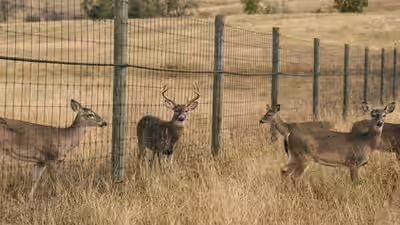
The land at Fickle Creek Farm is home to more than grazing cattle and open pastures. Its fields support a variety of wildlife, with goldfinches and field sparrows moving between trees and fence lines, while insects fill the surrounding landscape. Grass-fed Senepol, Angus and Red Poll cattle graze across the property in the early morning, finding shade in the nearby woodland before noon.For Ranells, farming was not an ambition that developed much later in life. He grew up in rural Pennsylvania as one of seven children in a family involved in 4-H, a youth development programme through which he spent time showing dairy cattle, goats and sheep at county fairs. According to Piedmont Land Conservancy, he also recalls receiving a blue ribbon for a white patty pan summer squash, although working with livestock was what eventually drew him more strongly towards agriculture.
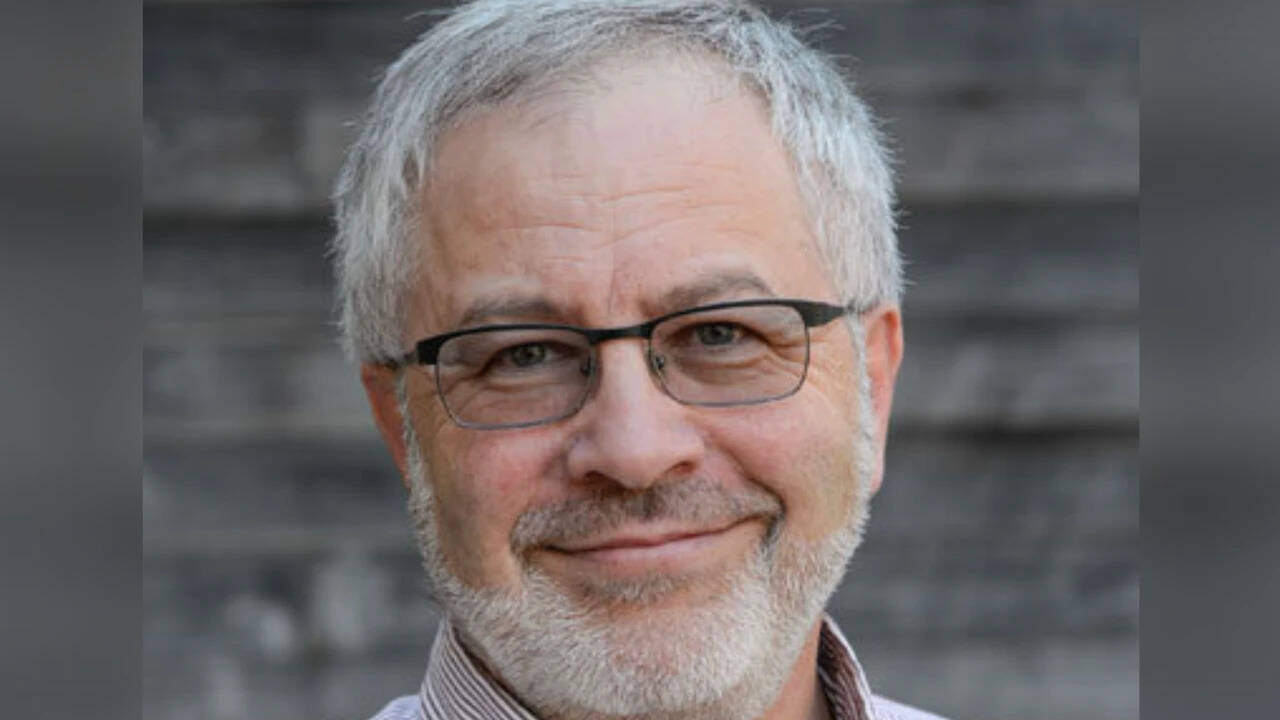
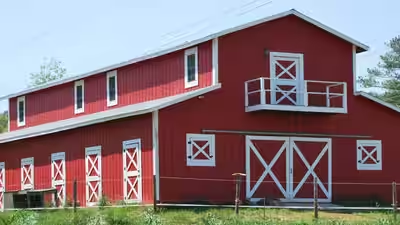
Image credit: ficklecreekfarm.com
By the age of 12, he already knew that he wanted to be involved in farming for the rest of his life. His journey towards this ambition was further shaped by teaching animal science through the Peace Corps and completing a PhD in Crop and Soil Sciences before eventually establishing a farm with a partner.
Importance of protecting farmland in Alamance County
According to USDA Census of Agriculture figures cited by Piedmont Land Conservancy, the county lost 18% of its farmland between 2012 and 2022, representing nearly 15,000 acres. The loss of agricultural land is not simply about a reduction in the number of working farms, but also about what happens to the land that once supported them.Once agricultural spaces are converted for development, returning them to their former use can become difficult, if not impossible. Ranells has expressed concern about this very issue, describing agricultural land as a non-renewable strategic asset and pointing out that once it is paved over, it does not come back.An agricultural conservation easement is a long-term legal commitment that places restrictions on how a property can be used, particularly to prevent its development. This agreement ensures that the land remains protected for agricultural purposes and can continue to be available to farmers for generations to come, rather than being converted for other uses.
Keeping the connection between food and the land alive
Fickle Creek Farm does not operate in isolation from the communities around it, with its produce and other goods reaching customers across several parts of North Carolina.Ranells and his team deliver meat, eggs and vegetables to homes between Burlington and Raleigh. They also sell their produce at farmers’ markets in Chapel Hill, Durham and Morrisville, while customers can visit the farm to collect their orders directly.This relationship between the people who grow food and those who consume it reflects an idea that Ranells admires in the work of American writer and environmentalist Wendell Berry. Berry, who died this year at the age of 92, wrote extensively about farming communities, local economies and the relationship we share with the natural world. One of his best-known observations was that eating is an agricultural act, an idea that connects everyday meals to the land, farmers and agricultural practices behind them.For Fickle Creek Farm, maintaining that connection means continuing to produce food on land that is cared for, while allowing customers to remain connected to the people responsible for growing it. Protecting the property therefore also safeguards a part of the local food system that has developed around the farm.
A promise for the foreseeable future
Ranells’ decision to protect the 63 acres is also shaped by how he imagines the property being used long after his own time as its farmer. He hopes that someone working the land a hundred years from now will have discovered the right balance for grazing, maintaining pastures that remain healthy and productive throughout the year.The identity of that future farmer is not something he needs to determine today. What matters to him is that the opportunity to work the land will still exist.The land embodies the world we inhabit, having sustained generations of humans, livestock and countless other species. When Ranells wrote “Only the land lives forever” in his high school yearbook, perhaps the most remarkable truth was already encoded in those words: that the land can continue to sustain generations to come, provided we choose to care for it.