









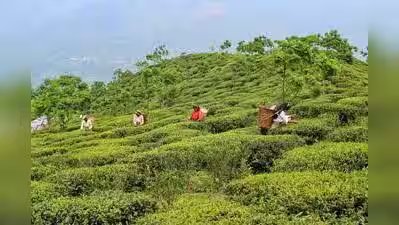
Kolkata: Bengal’s two cash crops of over a century are in opposite crises. Raw jute prices are more than double the minimum support price (MSP), which helps farmers but squeezes mills and threatens jobs. Tea prices in north Bengal are below the cost of production, with no MSP to protect growers. At the request of growers including the Indian Tea Association (ITA), the Tea Board has sent the Union commerce ministry a proposal for a minimum sustainable price.Fort Gloster Industries chairperson and former ITA chairperson Hemant Bangur said raw jute is trading at around Rs 12,500-Rs 13,000 a quintal against an MSP of around Rs 5,900-Rs 6,000. There are 82-83 jute mills in the state, producing 12 lakh tonnes of processed jute and employing 10-11 lakh workers.“In jute, farmers are refusing to sell to mills at MSP, while in tea, producers are helpless,” he said. Tea’s main problem, he said, is too few buyers at auctions. “It’s like an oligopoly. Around 10-11 buyers buy more than 50% of the tea in the country.” India’s total tea production is 1,370 million kg, while around 1,100 million kg is consumed in the domestic market.Sarda group chairperson Ghanshyam Sarda said jute is central to Bengal’s economy. The state grows about 40% of the country’s raw jute and produces more than 95% of eco-friendly, biodegradable jute bags for packaging. The economy is approx Rs 30,000 crore and supports more than 12 lakh mill workers and their family members, while over 10 lakh farmers and their families are involved in raw jute.“It is natural for farmers to hold back. After seeing Rs 17,000-Rs 19,000 a quintal a few months ago, growers may have little incentive to sell their entire crop at once. Strict surveillance by central agencies is required, as this is not good news for either manufacturers or the state,” he said.Jute experts said the squeeze reflects an empty pipeline. Mills entered the season with very little raw jute after the regulator ordered traders to hold zero stock last year, so the new crop may only replenish depleted inventories rather than create a surplus.Indian Jute Mills Association chairperson Raghabendra Gupta said the trouble began in 2025-26. “Raw jute price became three times MSP a few months back. Now it is more than double,” he said, adding that last year’s low crop pushed prices up. Ganges Jute director Abhishek Poddar expects the Centre to launch an anti-hoarding drive and fix a stock limit for jute.