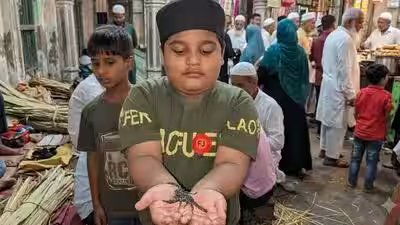








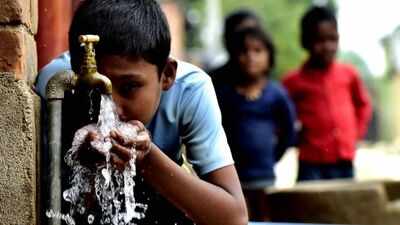
In bundelkhand villages, har ghar nal has brought relief to women and renewed hopes of marriage in villages where water woes once kept brides away, writes Shailvee Shardafor decades, water scarcity in parts of bundelkhand was more than an everyday hardship. it forced men to migrate, trapped women in a daily cycle of fetching water from wells to their homes, kept children away from school besides making it difficult for families to find matches for their sons.
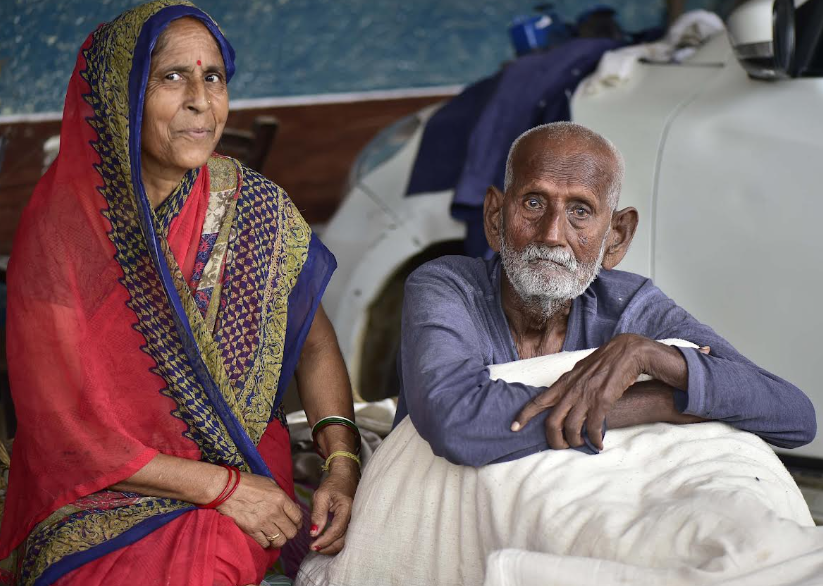
The Jal Jeevan Mission has greatly contributed to improving rural water access
some hamlets had even earned the infamy of being villages of bachelors. comparing the crisis with “rigorous life imprisonment”, many families refused to send their daughters into a lifetime of trouble. after all, women had to walk several kilometres to fetch water, which was often 70-80 feet deep. the problem was more serious among those with little or no landholding. by 2026, much of this had changed.A tale of two bridesbitto singh was about 13 when her father chose umendra singh as her husband. he was more than twice her age and owned over 35 bighas of land. her father, a small farmer with several daughters to marry off, prioritised finding a match within their caste and in a relatively prosperous family.“i was one of his many responsibilities. we struggled to make ends meet and they were better off, so he told me to accept my fate,” recalls bitto, now the head of bhabhaura village.she had hoped her husband’s family would allow her to continue her education. but the water crisis soon swallowed those dreams.“i had read in books that water is life. it was only after coming here that i understood what that really meant,” she says.poor water availability affected agriculture and household incomes, with women bearing the social, physical and emotional burden of the crisis. “marrying off daughters was a mammoth task, while finding a match for boys was no less,” says bitto.today, the experience of a newly married bride, jyoti, is markedly different. water flows from the tap in her home three times a day. she stores it for drinking and household needs and says it is clean enough for the family and its animals.“there is no water crisis here now. when i hear the elders recount how they spent much of their lives arranging water, i get goosebumps,” she says.
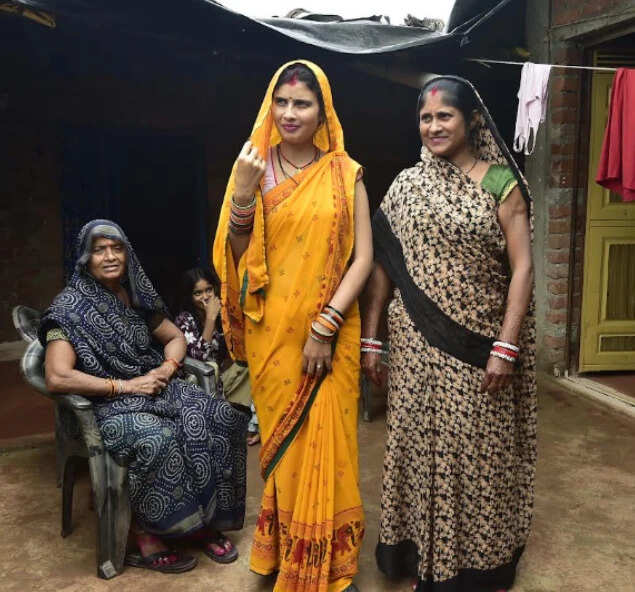
Men previously struggling to find brides due to water issues now have better opportunities.
Tap that turned the tidewhat was once bitto’s everyday reality is now largely a story that younger women like jyoti hear from their elders. efforts to improve rural drinking-water access were intensified under the jal jeevan mission, which aims to provide household tap connections.according to data from the union jal shakti department, 2.47 crore rural households in up had tap connections against a target of 2.67 crore, set on aug 15, 2019. the state jjm website lists households across 63,100 villages, including 9,344 covered through jal nigam. in 19,725 villages, all households reportedly have tap connections, while the remaining villages have coverage of over 90%.up jal shakti minister swatantra dev singh said the mission was saving women and girls the time and labour earlier spent fetching water.“our goal is to provide clean drinking water to every rural family,” he says.for rani devi, the change has also eased the search for a suitable match for her son. sewak ram got married to savita in may. “there was no trouble finding a match for him because there is enough water here now. this was not the case several years ago,” she says.the difference is evident in the lives of women who once spent hours securing water. suman, now in her 40s, recalls that about three decades ago, the village had just one well for drinking water. a nearby pond was used for bathing and washing clothes. water had to be drawn from a depth of nearly 80 feet, with three people often needed to pull it up.“there were fights over who would fetch water first. everyone needed it in the morning. now we can laugh at this history,” she says, showing the calluses on her hands from years of drawing water.women also faced harassment while walking to fetch water, while children often missed school to help with the chore. some would even endure thirst rather than make another trip. in hasaupur sehsa, women walked to the local burma river to fetch water. they say having water at home has given them time to rest.sangeeta recalled queuing at the village’s only handpump as a child. today, with water available at home, she can devote more time to her studies.Missed their matchwhile younger men in some villages are now finding it easier to seek brides, the change has come too late for some from the older generation. in hasaupur sehsa, men in their late 20s and early 30s are still looking for matches. a youth from banda says he hoped to find a partner in a city, where people generally married later.in bhabhaura, chumku, now in his mid-40s, remains unmarried. “shadi lagi nahi, kamai kamzor thi,” he said, explaining that he could not find a match and his earnings were low. village elders say men with little or no landholding were particularly disadvantaged in the marriage market.“main kya karun, amma log dhoondh nahi paai,” said santosh singh. bhuvneshwar singh, too, said he had been unable to find a match and left it to destiny.in hasaupur sehsa, brothers muneem singh and chuttan are still hopeful. muneem, who now works as an operator at the village’s jjm water tank, has not given up on marriage.“umar toh nikal gai hai, par ummeed nahi,” he says.he believes that serving the village by ensuring drinking-water supply is a good deed, and perhaps that may bring him luck. “bhagwan ne pani ki sewa mein lagaya hai, shayad koi din koi wajib mile toh kar lenge,” he says.