





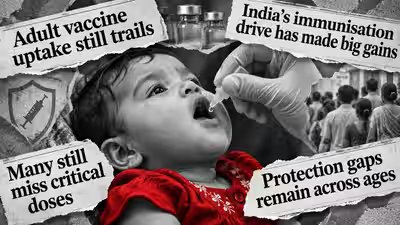
NEW DELHI: What began with do boond zindagi ki has grown into one of the world’s largest vaccination drives. Now, smallpox is history, polio has been eliminated, and maternal and neonatal tetanus are no longer public health threats in India.That’s quite a flex!India’s vaccination story is one of ambitious campaigns, millions of doses and some remarkable public health victories. The country was declared polio-free in 2014. A year later, it eliminated maternal and neonatal tetanus as a public health problem. Then, during the Covid-19 pandemic, it administered over 200 crore vaccine doses, including indigenously developed and licensed vaccines manufactured in India.And the drive is far from over.
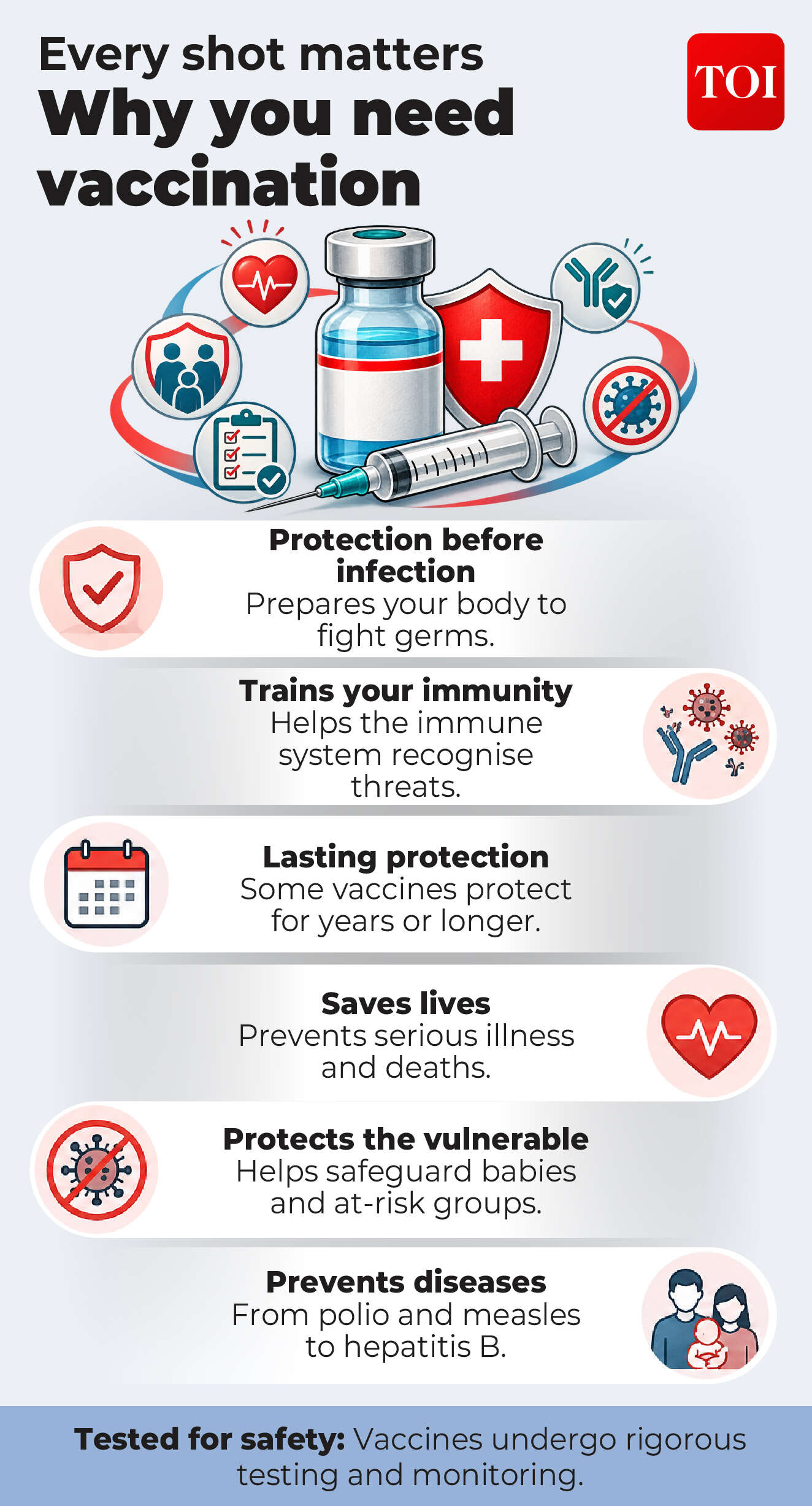
Every dose counts: Why you need vaccination
Earlier this year, the government added another shot to India’s public health armoury with a nationwide human papillomavirus (HPV) vaccination campaign for 14-year-old girls, aimed at protecting them against cervical cancer. It also launched an indigenously manufactured tetanus-diphtheria (Td) vaccine. From fighting childhood infections to preventing cancer,India’s vaccine drive is continuously levelling up. According to the Union health ministry, full immunisation coverage climbed from 62% in 2015 to 98.4% in January 2026. Last year, the figure stood at 97.9%.However, there is still a long way to go.Lakhs of children are missing essential shots with coverage remaining uneven across states. At the same time, many older adults are still largely missing from the vaccination picture.But if India has come this far, why are so many people still missing their shots?
India’s vaccination story: From Bombay’s first jab to nationwide drive
India’s vaccination story goes back more than two centuries. The first smallpox vaccination in the country was administered in Mumbai on June 14, 1802, after vaccine lymph arrived from abroad. Nearly a century later, in 1897, Dr Waldemar Haffkine developed India’s first indigenous vaccine against plague, also in Bombay.The government’s efforts to make immunisation more organised gathered pace in 1962 with the launch of the national BCG programme to control tuberculosis. This was followed by the Expanded Programme on Immunisation (EPI) in 1978, which marked another step towards wider vaccine coverage.However, 1985 proved to be a bigger turning point. India launched the Universal Immunisation Programme (UIP), bringing free vaccines against 12 preventable diseases to children and pregnant women. The initiative laid the foundation for what has since grown into one of the world’s largest publicly funded vaccination programmes.
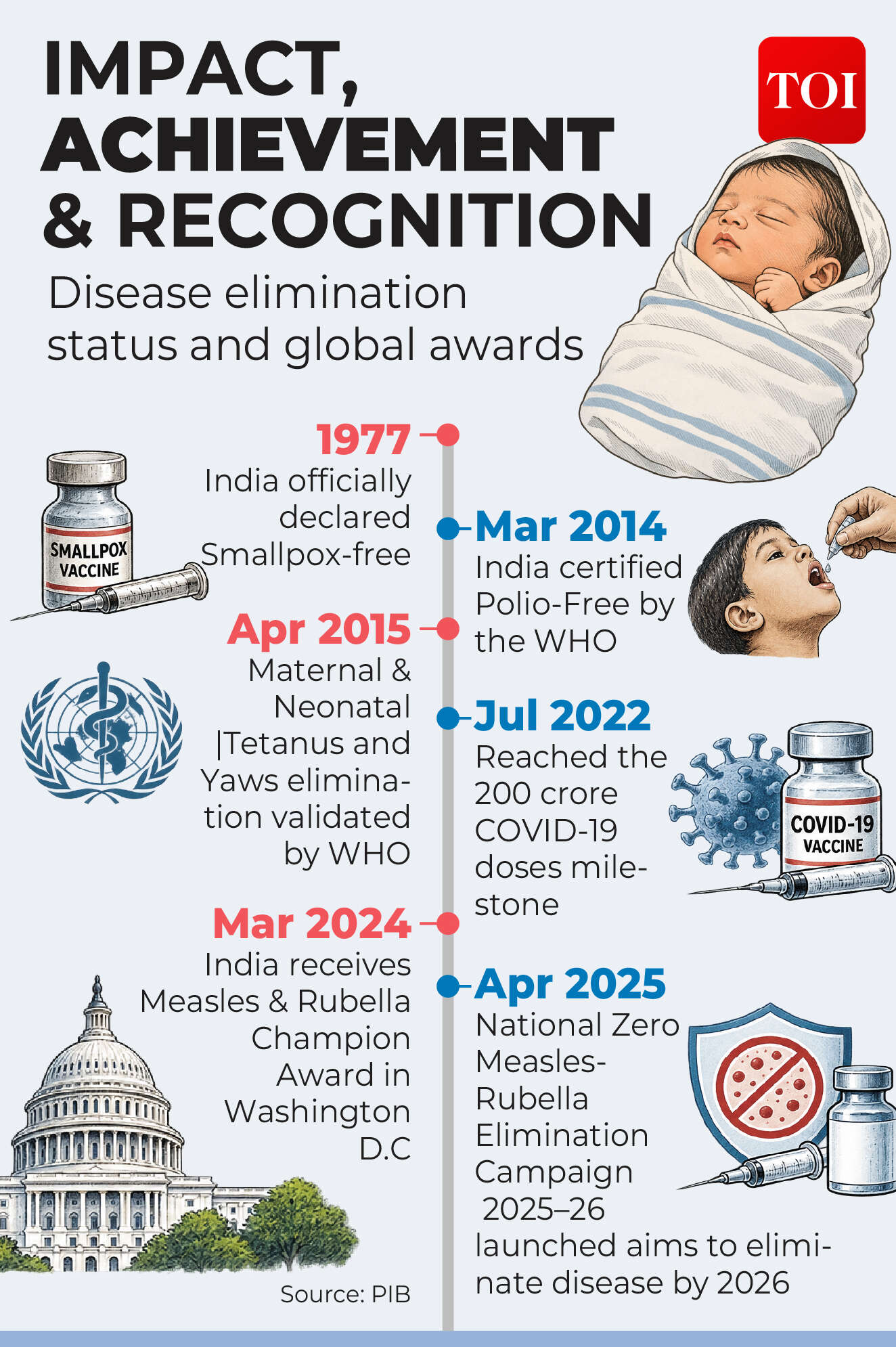
India’s vaccination story gains global recognition
The scale of the operation today is enormous. Every year, the UIP reaches 2.9 crore pregnant women and 2.54 crore newborns every year, free of cost . A vast network of government healthcare centres, frontline health workers, cold-chain facilities and digital systems supports the delivery and tracking of these doses.The programme’s vaccine basket has also grown over the years. What initially focused on diseases such as tuberculosis, polio and tetanus now offers protection against a wider range of infections, including rotavirus diarrhoea, rubella and serious illnesses caused by pneumococcal bacteria.Alongside this expansion came some major public health victories. India eliminated smallpox, yaws, polio and maternal and neonatal tetanus as public health threats. Immunisation has also contributed to lower child mortality and reduced the burden of diseases such as measles and rubella.One campaign, in particular, became a defining moment in this journey. Launched in 1995, the Pulse Polio Programme took vaccination beyond healthcare centres and turned it into a nationwide public movement. Its now-familiar slogan, do boond zindagi ki, helped bring millions of people into the campaign. The last reported case of wild polio in India was recorded on January 13, 2011, in Howrah, West Bengal. In 2014, the country was certified polio-free.But maintaining high vaccination coverage is an ongoing exercise. Full immunisation coverage stood at 94.7% in 2022-23, slipped to 93.7% in 2023-24, rose to 98.3% in 2024-25 and eased to 97.9% in 2025-26.India has also made progress in reaching children who have not received any routine vaccines, commonly referred to as zero-dose children. Their share declined from 0.11% in 2023 to 0.06% in 2024.
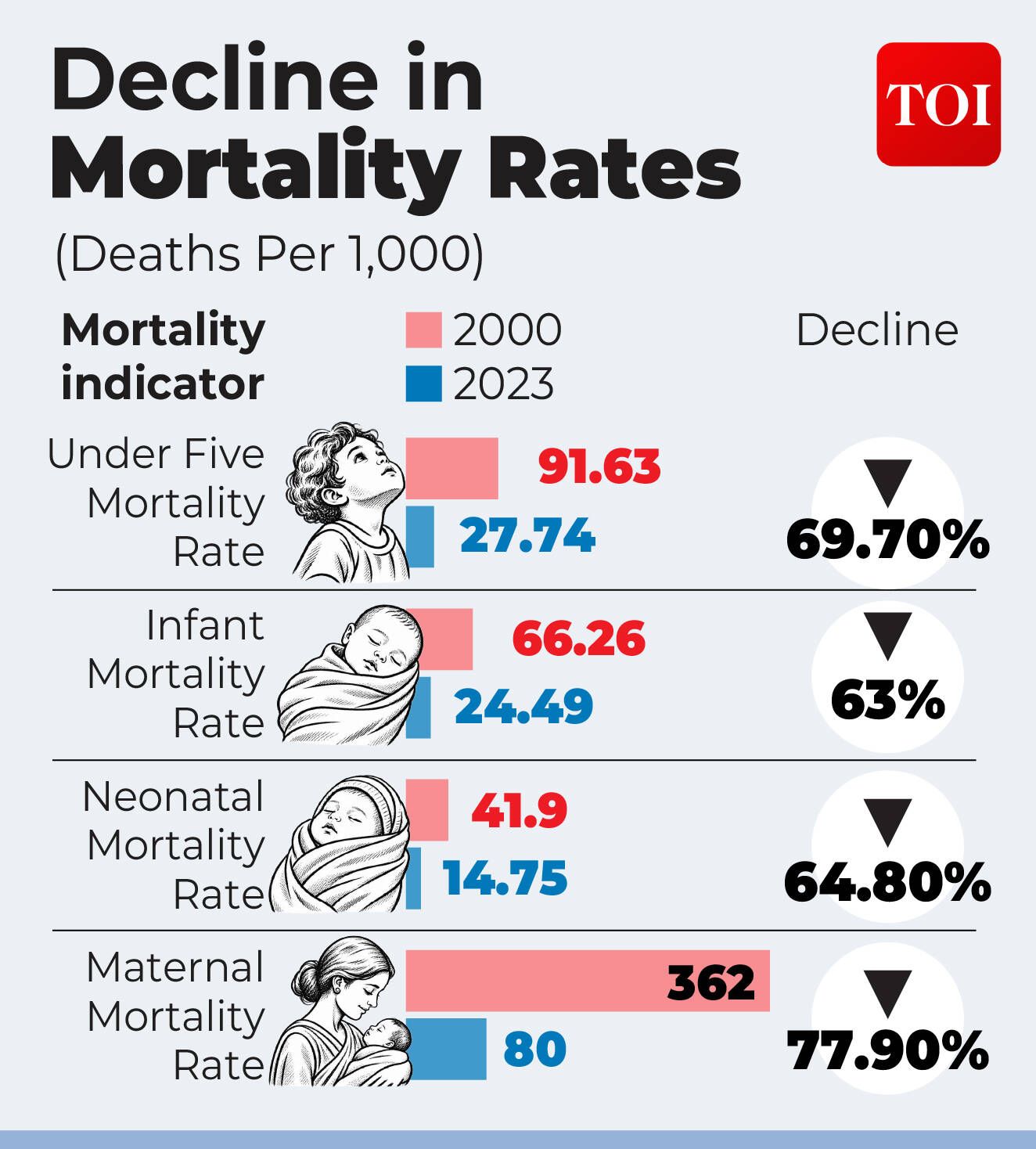
How vaccination has reduced mortality rate over the years (Credit: PIB)
The science behind every shot
Vaccination is not a one-and-done exercise. Some shots are given at birth, others follow at carefully spaced intervals, and a few need boosters to keep protection going. But what exactly do these jabs do?A vaccine essentially prepares the immune system for an encounter with a disease-causing germ. It teaches the body to recognise the threat and respond faster if it comes into contact with it later. This reduces the risk of infection and, in many cases, prevents severe illness.In India, this protection begins at birth. Newborns receive vaccines against tuberculosis (BCG), polio and hepatitis B. The hepatitis B birth dose is particularly time-sensitive and should ideally be administered within the first 24 hours.The next round begins when the baby is six weeks old, with follow-up doses at ten and fourteen weeks. These vaccines protect against diphtheria, whooping cough, tetanus, hepatitis B, polio, rotavirus diarrhoea and infections caused by Haemophilus influenzae type B (Hib).Pneumococcal vaccines are also included in the schedule to protect infants against serious infections, including certain types of pneumonia and meningitis.The vaccination calendar does not stop once babies become toddlers. Between nine and 12 months, children receive their first measles-rubella dose, followed by a second at 16-24 months. Japanese encephalitis vaccines are also offered in endemic districts.As children get older, booster doses become part of the routine. DPT boosters are given during early childhood, followed by tetanus-diphtheria (Td) shots at the ages of ten and 16 to maintain protection.The schedule is also expanding beyond childhood infections, with cancer prevention entering the picture.On February 28, 2026, the government launched a nationwide human papillomavirus (HPV) vaccination campaign, offering a free, voluntary, single-dose vaccine to around 1.2 crore girls aged 14. The campaign aims to protect them against HPV infections that can lead to cervical cancer.
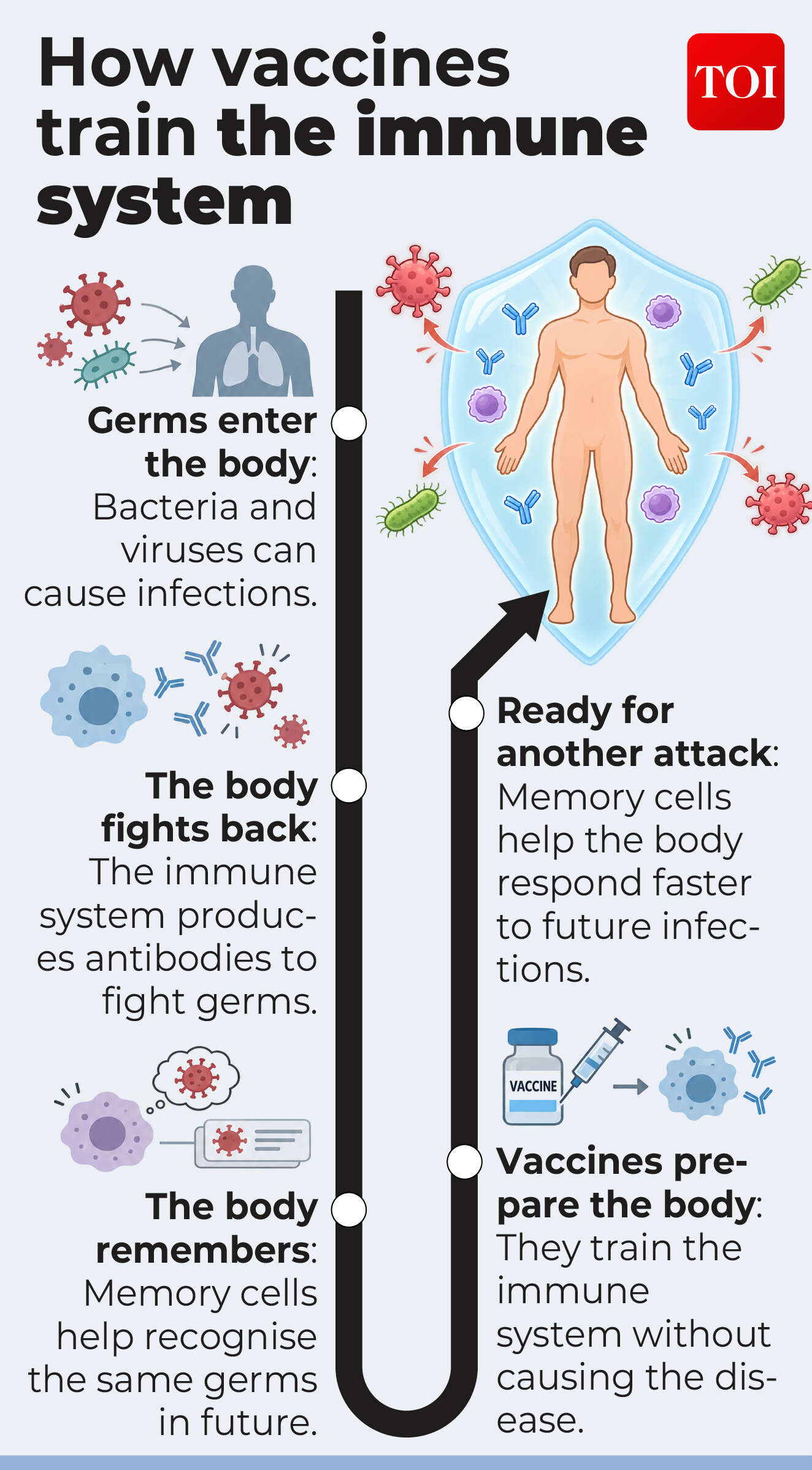
How vaccines work (Info credit: PIB)
The rollout has gathered pace, too. By September 11, more than 80 lakh doses had been administered, with Uttar Pradesh accounting for the highest number at over 22 lakh.From a newborn’s first vaccines to an adolescent’s HPV shot, India’s immunisation schedule covers several stages of life. But having vaccines on the calendar is only half the job. Ensuring that every eligible beneficiary receives the right dose at the right time remains the bigger challenge.
Spot the missing shots
The latest WHO-UNICEF estimates for 2025 suggest that India is making steady progress in getting more children vaccinated. Around 97% received the first dose of the diphtheria, tetanus and pertussis (DTP) vaccine, while 95% completed all three doses. Measles vaccination coverage was equally encouraging, with 98% of children receiving the first dose and 95% getting the second.There is another milestone worth celebrating. The number of zero-dose children, those who have not received even the first dose of a DTP-containing vaccine, fell from around 9.09 lakh in 2024 to 6.79 lakh in 2025. That’s a decline of nearly 25% in just one year.India also achieved a significant first. For the first time since WHO-UNICEF estimates began in 2001, it dropped out of the world’s top ten countries with the highest number of children missing measles vaccination.In this case, slipping down the rankings is actually good news!However, the progress is not uniform. WHO’s 2025 estimates show that only 70% of newborns received the hepatitis B birth dose within 24 hours, while rotavirus vaccine coverage stood at 91%.
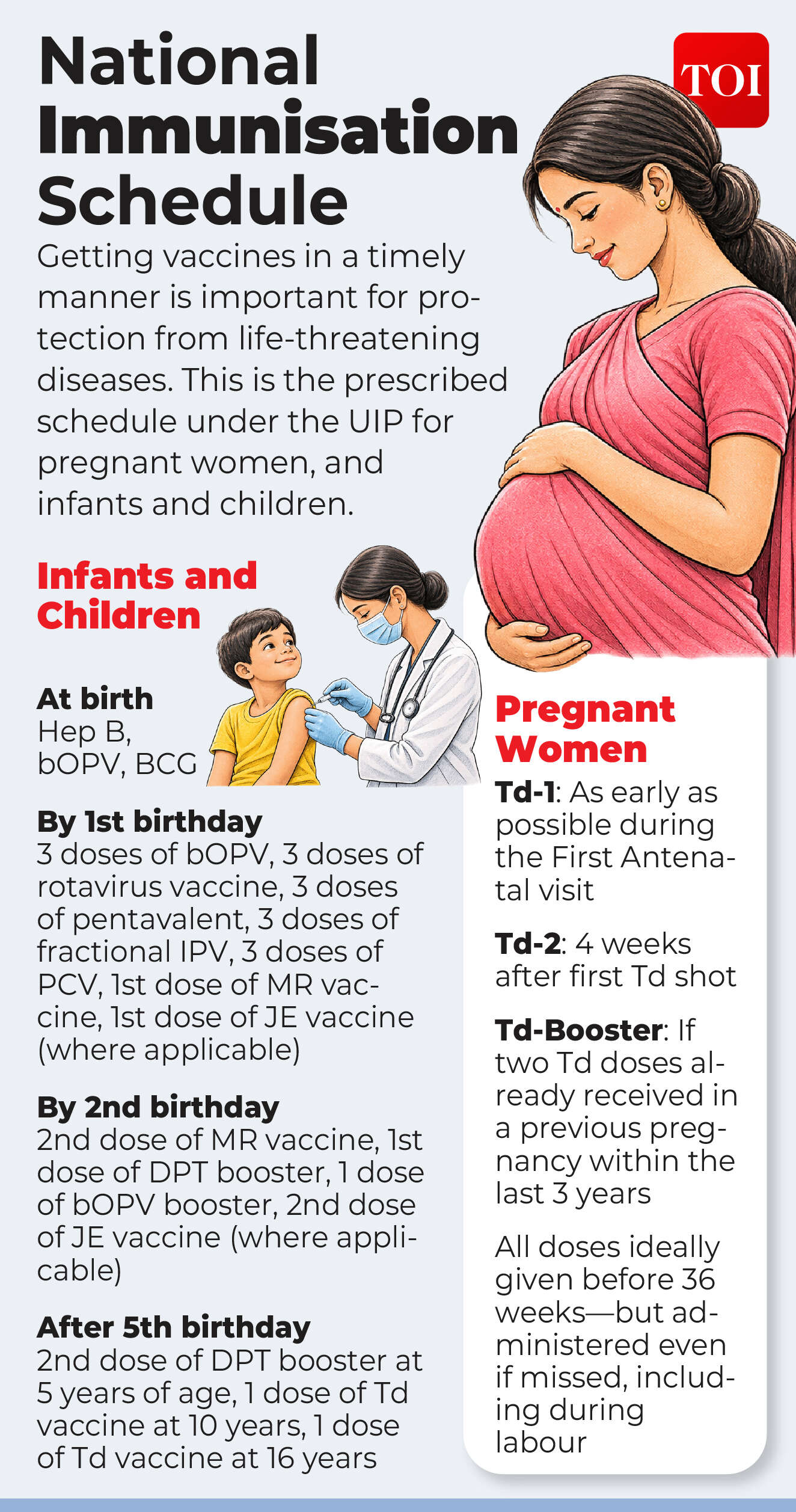
Vaccine schedule
India has made steady progress towards universal immunisation, with full vaccination coverage among children aged 12-23 months rising from 83.8% to 87.1%, according to vaccination card records.The household survey also brings out a gap that national averages can easily mask: differences between states. Full vaccination coverage among children aged 12-23 months ranged from 93.8% in Goa to just 64.3% in Nagaland, a gap of nearly 30 percentage points.The divide is visible in hepatitis B vaccination, too. While 91.9% of newborns in Goa received the birth dose, the figure was only 46.4% in Nagaland.In other words, India’s vaccination report card may be improving, but the marks are far from evenly distributed. Where a child is born can still make a significant difference to the protection they receive.
Free shots, but gaps remain: Where the system falling short
So, if childhood vaccines are free, why are so many children still missing their shots?The answer lies in barriers that go beyond the availability of vaccines. From caregiver hesitation to migration and poor access to healthcare, several factors can leave children partially or completely unvaccinated.A WHO report from April 2026 offers some insight. Under its TrackVac initiative, the vaccination status of 2,24,698 children was assessed across 143 priority districts in 11 states during 2025. Among children who remained unvaccinated, caregiver refusal accounted for 39% of cases, while migration was responsible for 34%.While these findings are based on targeted districts and do not represent a nationwide survey, they highlight two major hurdles in India’s immunisation efforts: vaccine hesitancy and disruptions in access to healthcare.Migration, in particular, can interrupt a child’s vaccination schedule. A family moving from one city to another for work may get its baby the first dose but miss subsequent appointments after relocating. In remote villages and underserved urban settlements, long distances, transport costs, limited awareness and the loss of a day’s wages can also discourage families from returning for the next dose.Misinformation and fears about side effects add to the challenge. With several vaccines requiring multiple doses, missing even one appointment can leave a child only partially protected.The challenge, therefore, is not just to make vaccines free but also to ensure that families can access them easily, understand their importance and complete the recommended vaccination schedule.
12 diseases covered under India’s Universal Immunisation Programme
| Vaccine protects against | What it prevents |
| Tuberculosis (BCG) | Severe TB in children, including brain TB |
| Diphtheria | Throat infection that can damage the heart and nerves |
| Pertussis | Whooping cough, particularly dangerous for infants |
| Tetanus | Muscle stiffness and spasms caused by bacterial infection |
| Polio | Viral infection that can cause permanent paralysis |
| Measles | Highly contagious infection causing fever and rash |
| Rubella | Viral infection causing fever and rash |
| Hepatitis B | Liver infection that can become chronic |
| Hib | Serious infections, including meningitis and pneumonia |
| Rotavirus | Severe diarrhoea in infants |
| Pneumococcal disease | Pneumonia and other serious bacterial infections |
| Japanese encephalitis | Viral brain inflammation spread by mosquitoes |
Grown-ups need shots too!
For many Indians, the vaccination chapter quietly ends with school, but adults need those shots too!Depending on age, health and vaccination history, adults may benefit from vaccines against influenza, pneumococcal disease, hepatitis B, shingles and other infections.Tetanus-diphtheria boosters still matter, and pregnant women receive tetanus-diphtheria vaccination under India’s public immunisation programme. Older adults and people with chronic health conditions face higher risks from certain infections, so age-appropriate vaccination is especially relevant for them.Yet adult vaccination has mostly stayed in the shadows. According to an earlier TOI report, citing older Longitudinal Ageing Study in India data, highlighted strikingly low uptake among older Indians: just 1.59% had received the influenza vaccine, 0.74% the pneumococcal vaccine, 1.82% the hepatitis B vaccine, and 2.75% the tetanus-diphtheria vaccine. These are historical survey figures rather than fresh 2026 measurements, but they show how thin adult coverage has been.India’s Covid-19 campaign, which delivered more than 220 crore doses, proved that mass adult immunisation can be done. Yet unlike childhood vaccination, there’s still no comparable universal routine programme for older adults.But things are starting to change.In September 2026, Goa became India’s first state to adopt a dedicated life-course immunisation policy for 2026-2036, initially focusing on influenza, pneumococcal and hepatitis B vaccines for eligible high-risk adults.Turns out vaccination isn’t just a childhood routing but also needs to continue well into adulthood.
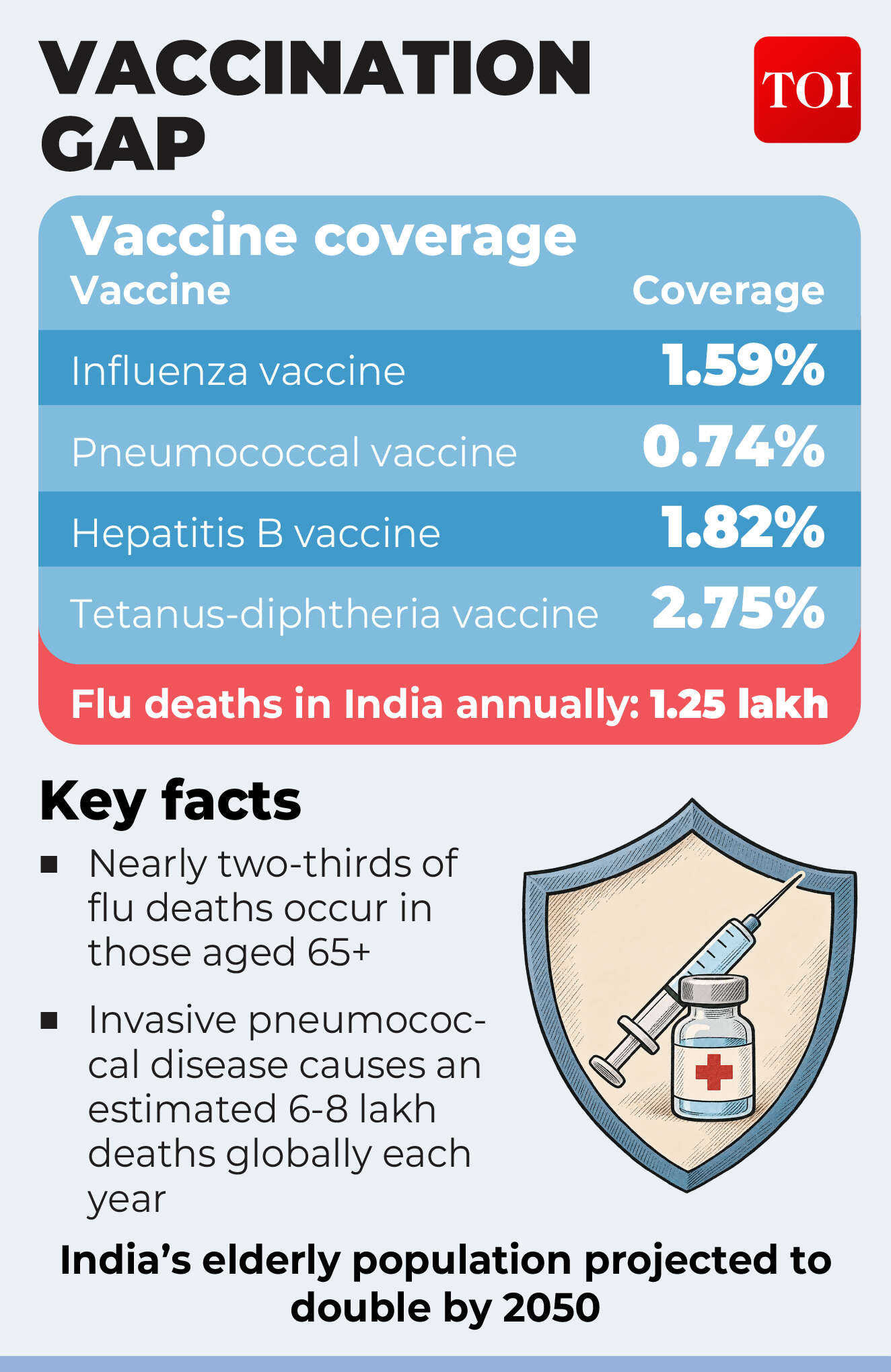
Gaps in the vaccination drive
Closing the vaccination gap
Finding children who have missed their vaccines is only half the battle. Ensuring they receive every due dose on time remains the bigger challenge.The government has stepped up efforts to close this gap through initiatives such as Mission Indradhanush, which has vaccinated over 5.46 crore children and 1.32 crore pregnant women. The U-WIN portal, which had 11.87 crore children registered as of March 2026, is another step towards better tracking, helping health workers monitor vaccination schedules and send reminders for missed doses.WHO’s TrackVac initiative also highlights how targeted follow-ups can make a difference. About 85% of the children whose records were verified were already listed in health workers’ registers, while 53% were subsequently vaccinated.However, migration, misinformation and vaccine hesitancy continue to pose challenges, making community outreach and regular follow-ups just as important as vaccine availability.The challenge does not end with just childhood immunisation.
Share your thoughts in the comments
Be respectful · TOI community guidelines
Limited awareness, high costs and poor access continue to hold back adult vaccination, particularly among senior citizens. Experts call for India-specific adult immunisation guidelines, with routine vaccination against influenza, pneumococcal disease, shingles and tetanus-diphtheria-pertussis, as well as hepatitis B shots for high-risk groups.Clearly, closing the vaccination gap will require more than free doses and digital records. Timely follow-ups, better awareness and easier access must go hand in hand to ensure people do not miss out on protection.The goal is to make vaccination a lifelong priority, not just a childhood routine.