





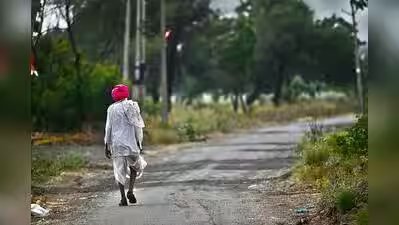
Beed: Eight year-old Ashwini Chavan sits alone on a plastic desk meant for two at the zilla parishad school in Damu Naik Tanda. Each desk has an empty seat. The centre of class is totally vacant even though the Diwali vacation is yet to begin.This is because 11 of the 20 children in this primary class have migrated with their parents — farm labourers who travel for a few months each year to cut sugarcane in the fields of Western Maharashtra and Karnataka.They usually travel after Diwali in Nov after exhausting all avenues for farm labour. But with the fierce drought sweeping through 85% of the state, many had to migrate in August itself to Tamil Nadu, where the sugarcane crop matured early. The village is located in Beed, which is part of Marathwada, where all 76 talukas are drought-hit.While some children migrated with their parents, those like Ashwini in Georai taluka have been left behind with elderly relatives as is the norm each year. However, unlike previous years, they won’t be with their parents during the festive season.What does she want for Diwali? “I want my parents back. They call me when they can,” she says, blinking back tears. “And I want a vada-pav.”Ashwini lives with her blind grandmother and is in charge of filling five pots of drinking water from the water tanker which comes to the village daily. “I make sure there is enough water, help with the housework and do my school work without being asked,” she says, listing out her duties.Class teacher Mahesh Phulzalke says the children are used to the seasonal migration when the village empties out and only children and the elderly are left behind. But this year, the parents left four months earlier.“The children have lost weight. They have become quieter. With little money this year, many don’t have note-books and pencils,” says Phulzalke.He has become a vital link between the migrant parents and school children. “They often call on my phone to speak to their children. Even to check if they attended school, he reveals.There are around 15 lakh seasonal sugar-cane cutters in the state, of which around 10 lakh hail from Beed district.Navnath Chavan is among those who migrated to Tamil Nadu in August. He is back in Damu Naik Tanda for a few days to look after his mother. “There was barely any yield from the soyabean and cotton crop here, so there was no work for farm-hands like me,” he said.In any case, he had taken a Rs 3 lakh advance from the labour contractor last year and has to work it off. “I had to go where he asked me to. It’s difficult for me in Tamil Nadu since I don’t know the language,” says Chavan.Cane-cutters will have to undertake a double-migration this year: first to Tamil Nadu from August to Nov and then to Karnataka or Western Maharashtra till Dec.Typically, the cane-cutting season in the state lasted 5-6 months between Oct to March-April. But with the yield so low, it is expected to end in Dec.“In the last 5-6 years, a few cane-cutters began travelling all the way to Tamil Nadu but there has been a rise of around 30% this year. Even those who had not done this work before, have had to do it,” says Keshavrao Adhale from the Loknete Gopinath Munde sugarcane cutters and transporters union.The cycle of migration may not even end after the cane is cut. “There will be no work for farm labourers till the next kharif season. They may end up doing construction work in Mumbai, Pune and Gujarat,” says Andhale. For the children of those who migrate, this means months of interrupted education. For those who stay behind, this will mean long months without their parents.