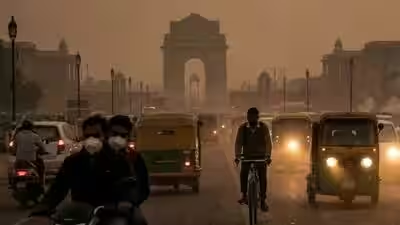








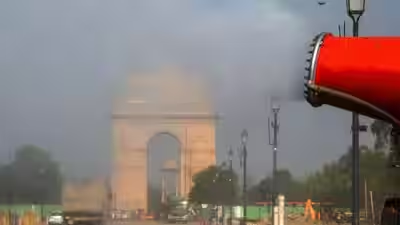
NEW DELHI: Delhi’s winter air pollution has shown no sustained improvement despite four winters of restrictions under the Graded Response Action Plan (GRAP), with the average AQI rising from 280 in 2022-23 to 295 in 2025-26, an analysis by the Centre for Research on Energy and Clean Air (CREA) found.Nearly four in five winter days saw restrictions under Stage II of GRAP or higher, pointing to Delhi’s continued reliance on emergency measures to tackle pollution. The analysis, however, does not establish whether air quality would have been worse without these curbs.CREA examined 12 episodes in which Delhi’s AQI rose from below Stage III to Stage III or IV, three in each winter. Pollution worsened in the week after each of the 10 episodes and eased after two.CREA said the largest increase followed the Nov 2, 2023 episode, when the average AQI jumped 114 points, from 317 before the episode to 431 afterwards. “Other major increases followed episodes on Oct 29, 2022 (+100 points), Jan 3, 2025 (+94) and Jan 28, 2025 (+92).”
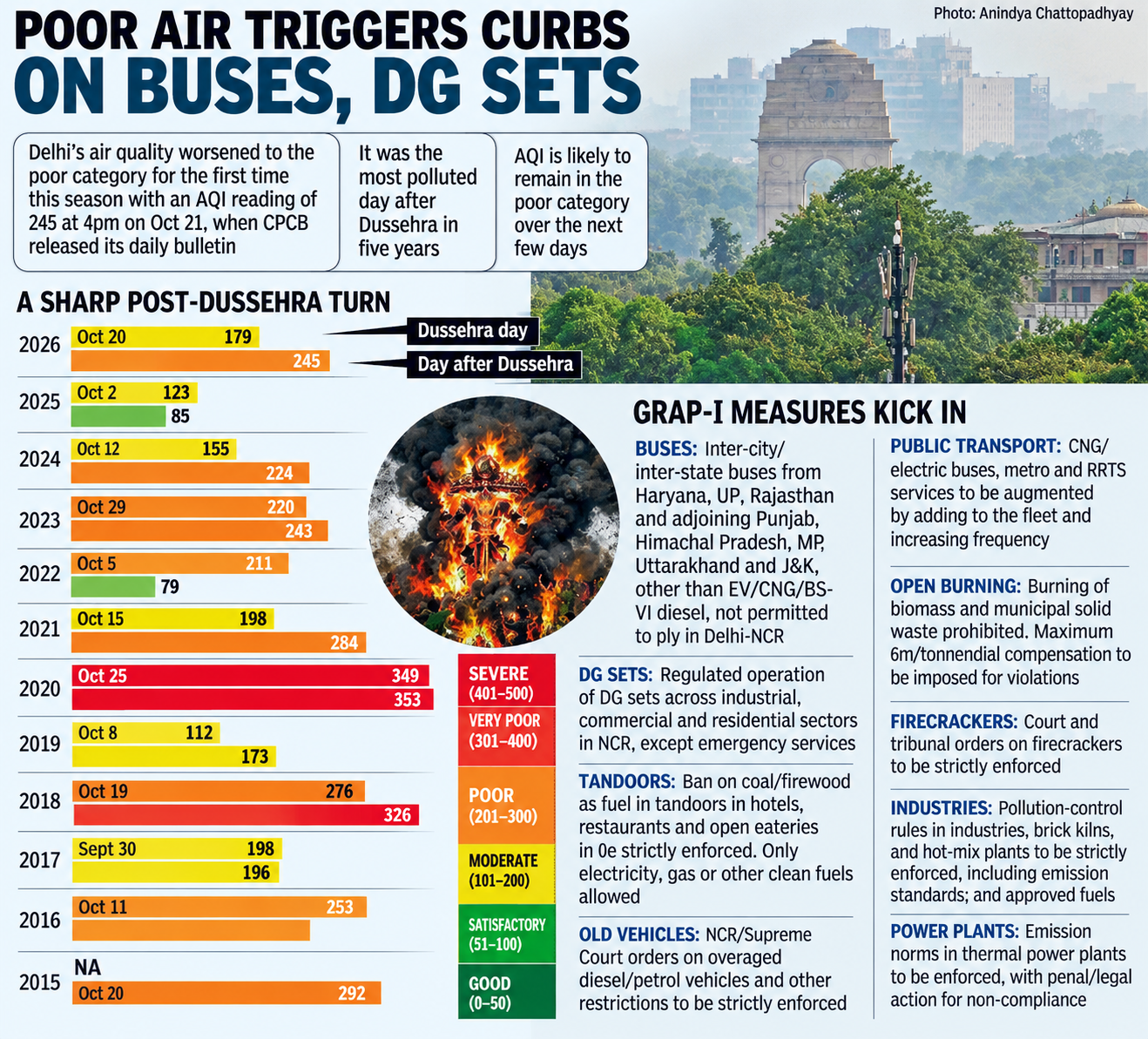
GRAP-1 measures kick in
It added that the broader pattern was that pollution often remained high or increased in the week after Delhi entered the severe GRAP stages. “A long-term clean-air strategy should, therefore, place emission reduction at source as the primary objective, with GRAP serving as the last line of defence when severe pollution still occurs,” said CREA.However, the analysis does not show that restrictions caused pollution to increase or were ineffective. Another study, ‘Possible effectiveness of Graded Response Action Plan’ restrictions in New Delhi, India’, by scientists from IITM-Pune and CAQM revealed that, without GRAP restrictions, the city would have faced 60% more severe-AQI hours, and around 60% to two times more than 30 severe-plus AQI hours.