








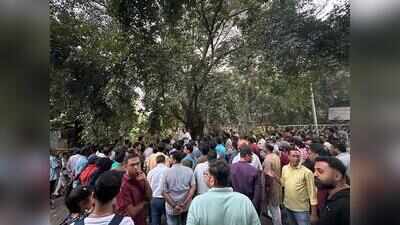
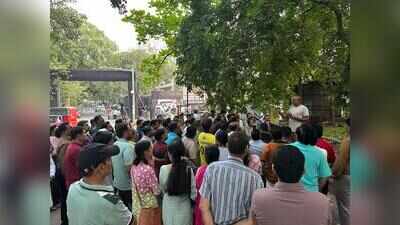
Pune: Residents of Ravet, Nigdi Pradhikaran, and adjoining areas have stepped up their opposition to Pimpri Chinchwad Municipal Corporation’s (PCMC) proposed 27MW waste-to-energy (WTE) plant in Ravet, demanding that the project be scrapped and an alternative site identified. They have warned of large-scale protests if the civic body proceeds with the plan.PCMC has sought 25 acres of MIDC land from the state govt for the proposed facility, which is designed to process 1,000 metric tonnes of waste daily. Residents held a protest march on Saturday and submitted a collective objection to the civic body, seeking a halt to the land transfer and a written response to their concerns within 15 days.The project is part of PCMC’s plan to decentralise waste processing and reduce dependence on the 81-acre Moshi depot. The move gained urgency after a landfill collapse at the Moshi facility in July this year brought down an administrative building, killing nine people and disrupting the city’s waste management operations.However, residents have raised serious concerns over the proposed plant’s proximity to Durga Devi Tekdi, Nigdi water treatment plant, and densely populated residential areas. They fear that tree felling, emissions, dust, odour, and increased heavy vehicle movement will severely affect public health and surrounding environment.“Durga tekdi is one of the few places in Pimpri Chinchwad that provides green cover, trees, and clean air. The water treatment plant is also located there. Setting up such a large waste-to-energy project on 25 acres by cutting down trees will lead to pollution and loss of green cover,” said Pankaj Jagdale, a local resident.Jagdale questioned the decision to locate the facility in an area where large residential complexes have already been built. “Ravet and Nigdi Pradhikaran have become densely populated. How can a project that is likely to cause pollution be set up in the middle of such a crowded urban area?” he asked.Vijay Takmoge, another resident, said locals should have been consulted before the site was proposed. “If PCMC wanted to set up such a facility, it should not have allowed residential projects to come up around it. If the plant is developed now, residents living nearby will be severely affected,” he said.In a letter to the state govt last month, PCMC stated that the city generates around 1,500 metric tonnes of waste daily. This is projected to rise to 2,200 MT per day in five years, 3,300 MT in 10 years, and 5,800 MT in 20 years. The civic body said additional waste-processing facilities are needed to meet this growing demand, making the proposed Ravet plant crucial to the city’s long-term waste management plans.Environmental concerns raised by residents include potential felling of long-standing trees and damage to biodiversity around Durga Devi tekdi. While residents noted that they support scientific waste management, they insisted that public health, drinking water security, and environmental protection must be central to choosing a location.A senior PCMC official told TOI that the proposal seeking MIDC land is currently pending with the state govt, and the project will move forward only after approval for the land transfer.“The initiative is part of our plan to decentralise waste management. The city needs more facilities to process the waste it generates daily, and we cannot depend entirely on a single facility at Moshi. Alternative sites are necessary to prevent waste management from becoming a major crisis in the future,” the official said.PCMC currently relies on the 81-acre Moshi depot, where the existing waste-to-energy plant and material recovery facility process around 1,000 metric tonnes of waste daily, while the remaining 500 MT is sent to the landfill. With dumping space becoming increasingly scarce, the civic body plans to develop additional facilities using advanced technologies to process more waste and reduce the volume sent to sanitary landfills.