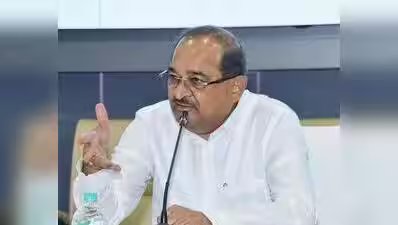









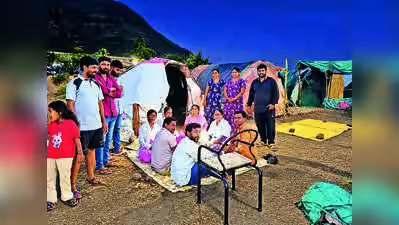
Pune: In six months, Maharashtra has moved from having just one district in the ‘Saksham’ category and 35 in ‘Sangharshil’ to having six districts meet all three HIV 95:95:95 targets and move into the ‘Surakshit’ category.Dhule, Nandurbar, Chhatrapati Sambhajinagar, Jalna, Chandrapur and Sangli entered the ‘Surakshit’ category under the Mobilisation for AIDS Suraksha (MAS) initiative in Sept after achieving all three targets. Another 23 districts advanced to the ‘Saksham’ category after meeting two of the three targets.Dr Sunil Bhokre, commissioner of urban health, Maharashtra, said the programme was launched in the state on April 7 this year, with the aim of bringing all 36 districts into the ‘Surakshit’ category by the end of the year.“The three benchmarks are that 95% of people living with HIV should know their status, 95% of those diagnosed with HIV should receive antiretroviral therapy (ART), and 95% of those on treatment should achieve viral suppression,” he said.The World Health Organisation (WHO) aims to end the HIV epidemic as a public health threat by 2030 through the achievement of these targets.The benchmarks link diagnosis with sustained treatment and care, helping reduce the risk of HIV transmission. Under MAS, ‘Saksham’ means a district has met two of the three targets, while ‘Surakshit’ requires all three. The ‘Surakshit+’ category additionally requires zero vertical transmission of HIV, syphilis and hepatitis B from mother to child.The progress is significant not merely in terms of the number of districts meeting the benchmarks, but also in assessing whether people can navigate the entire continuum of care — from testing and diagnosis to treatment, monitoring and continued support. Early diagnosis helps people access care sooner, while regular follow-ups can prevent interruptions in treatment.Bhokre said viral-load testing helps health teams assess the effectiveness of treatment and identify cases that require additional support or clinical review. “National AIDS Control Organisation (Naco) guidelines recommend viral-load monitoring for people on ART,” he added.“The six districts that entered the ‘Surakshit’ category had relatively low caseloads. The state is working towards ensuring that all 36 districts achieve the status by Dec 2026,” Bhokre said.“While the WHO has set a target of ending the HIV epidemic as a public health threat by 2030, the Govt of India has set an ambitious target of achieving the 95:95:95 benchmarks across the country by 2026. We are intensifying testing among vulnerable communities and spreading awareness among young people,” he said.Public health officials said index testing, which involves offering testing to the partners of people diagnosed with HIV, and the Moonlight Campaign had helped expand case detection through targeted interventions. The Moonlight Campaign comprises night-time community health programmes aimed at reaching people who cannot access healthcare during the day.The state is also engaging private medical practitioners to encourage early detection and timely referrals. The initiative places district machinery at the centre of implementation, involving district collectors, health officials, AIDS prevention and control units, testing centres, ART centres, outreach workers, counsellors, laboratory technicians and partner organisations.“Involving multiple stakeholders is important because a diagnosis alone does not ensure continuity of treatment. People must be able to access services and remain connected to care,” Bhokre said.