









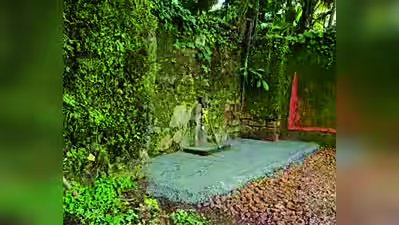
Panaji: With several monuments in Goa facing encroachments amid haphazard growth, construction activity near the state-protected Casa de Polvora at Old Goa has irked activists, who rued the neglect of heritage assets.The historic Casa de Polvora, or gunpowder house, was set up by Francisco da Gama around 1630 on the southern bank of the Mandovi river at Panelim, between the old GMC hospital and Sao Pedro church. A wall running east to west, with a cross embossed in its centre, covers part of the gunpowder factory site.“Construction material, such as cement and stones, was seen dumped near the site a few days back,” an activist said.Subsequently, work was carried out near the western corner of the wall despite complaints to the Old Goa panchayat.In July 2017, a similar act of vandalism occurred when someone illegally erected a small kiosk selling articles against the wall. Following a report in TOI, the department of archives and archaeology (DAA) removed the structure from the site.Tourists travelling to Old Goa often pause at the scenic riverfront spot to take photographs. However, many are unaware of its historical significance or fail to notice the plaque near the cross.In the 17th century, during the heyday of Old Goa, the gunpowder factory site was extensive. The complex, with a palatial edifice, looked magnificent from the riverfront. A small chapel of Sao Marcal also existed at the site centuries ago.Nearly two decades ago, a few metres west of the wall, millstones were found lying half-buried at the abandoned Panelim site. The huge millstones were used to grind saltpetre, sulphur and charcoal to prepare gunpowder. After heritage activists noticed development activity at the site in 2007, the Archaeological Survey of India (ASI) salvaged the millstones and relocated them to the World Heritage site at Old Goa.Each millstone measured between 1.6m and 2.5m in diameter and weighed about two to six tonnes.A as per records , by 1842, the site had begun to fall into neglect and decay. Between 1855 and 1858, most of the equipment was sold at an auction, except 13 millstone crushers. Production stopped after June 12, 1876.Further erosion of the site began about two decades ago due to development activity on its periphery.When asked about the encroachment near the monument, DAA director Nilesh Phaldessai assured that he would look into the matter.