








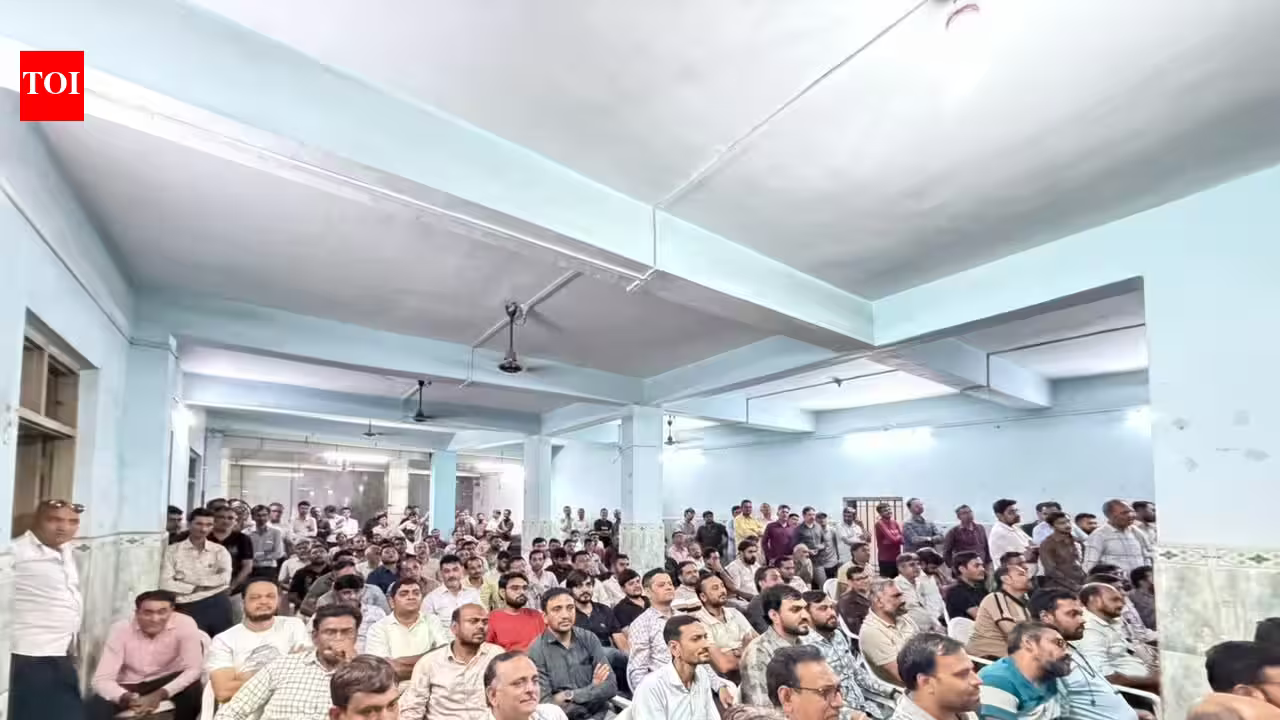
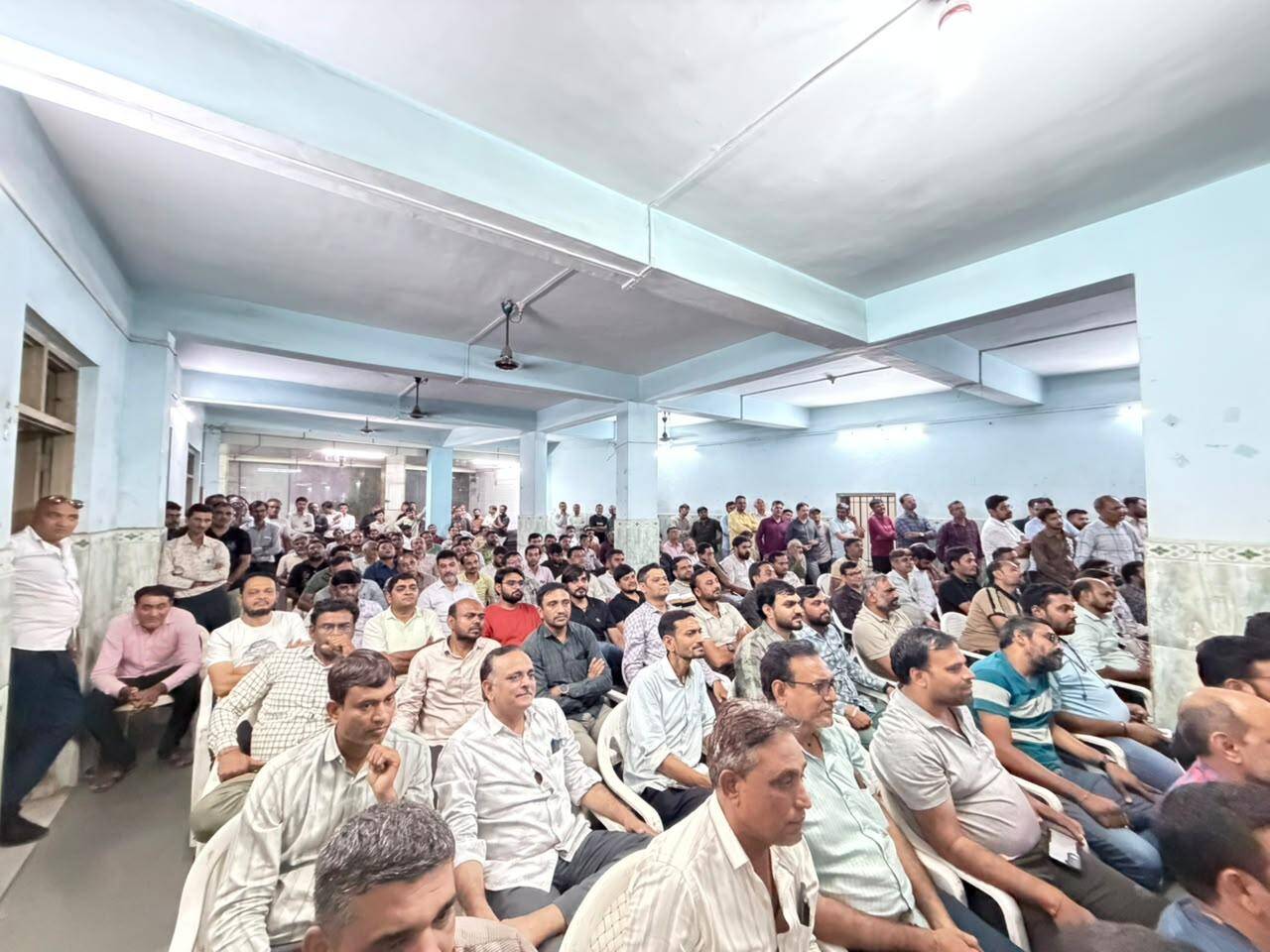
Surat: Concerns among embroidery workers over an eight-hour workday and paid weekly holidays appeared to have eased after the labour department issued a circular directing the Textile Embroidery Jobwork Association of Surat (TEJAS) and unit owners to comply with the four labour codes.Following the directive, worker leaders called off a protest scheduled for Oct 1, bringing temporary relief to an industry that has witnessed repeated unrest over working hours, wages and employment benefits.However, the dispute remains unresolved, with industry representatives expressing concerns over the financial implications of shifting from existing longer work schedules to an eight-hour framework with paid weekly offs. Tejas has convened a meeting of its members on Oct 10 to discuss the implications of the directives and formulate a common stand.Association members maintain that unit owners already provide workers with several non-wage benefits, including accommodation and free electricity. They have cautioned that an increase in labour costs could prompt employers to reconsider these facilities.“A section of workers demanded that they should get the same salary for eight hours that we pay for 12 hours. In that condition, to manage production costs, we will have to reduce other benefits, such as accommodation and free power,” said Karunesh Ranpariya, former president of Tejas.Meanwhile, unit owners have begun holding meetings across various industrial clusters in Surat to prepare an agenda for the Oct 10 meeting.“If we maintain the same salary for eight hours and give one paid weekly off, we will have to adjust production costs in other areas. We are working out various ways to deal with it,” said Hitesh Bhikadiya, president of Tejas.Trade sources indicated that embroidery units may explore several measures, including revising piece rates, restructuring shifts and incorporating higher compliance costs into jobwork pricing. These options are being considered as employers assess the financial impact of the directives.Workers, meanwhile, continue to seek clarity on wage arrangements, paid weekly holidays and the continuation of existing benefits.With the planned protest called off but industry-level deliberations still pending, the Oct 10 meeting is expected to be a key step in determining how embroidery units and workers navigate the transition while addressing concerns over wages, working hours and production costs.