









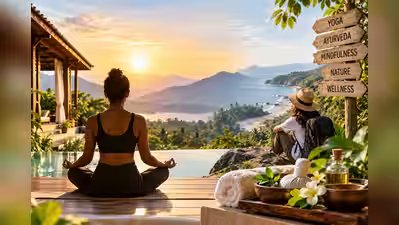
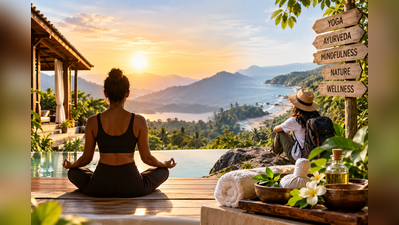
New Delhi: For a growing number of travellers, a holiday is no longer only about sightseeing, exploring new destinations or escaping the daily routine. Increasingly, travel is being built around another objective: feeling better.From yoga retreats to nature-based stays and digital detox experiences, wellness is emerging as a distinct motivation for travel. The shift comes as travellers, particularly in urban cities, increasingly look for experiences that allow them to slow down, disconnect from everyday pressures and focus on their mental wellbeing.Speaking to TOI, Rishabh Jain, co-founder of The Wellness Co Retreat, says, “We are seeing a clear shift from people simply wanting a holiday to wanting their time away to have a purpose. Increasingly, travellers are asking, ‘Can I come back healthier than when I left?’ Wellness travel is no longer limited to yoga, massages and healthy meals; people are travelling specifically to work on sleep, stress, fitness, metabolic health, recovery and longevity. We are also seeing younger professionals, entrepreneurs, corporate leaders, athletes, couples and solo travellers seeking structured wellness experiences.”Industry estimates indicate that India’s wellness tourism market is expanding, with yoga, meditation and preventive wellness among the key segments driving demand. The growth also reflects a broader change in consumer behaviour, with travellers increasingly willing to spend on experiences that promise reset and rejuvenation.For some, the appeal lies in getting away from the always-connected nature of urban life. A wellness holiday offers a structured break from work, screens and familiar routines, often combining movement, mindful practices, healthy food and time in nature.“People are increasingly looking for holidays that offer more than a change of scenery. Wellness retreats create psychological space to slow down and disconnect. The definition of leisure is also changing,” says Pankhuri Sharma, psychologist at VIPS College.Yoga has also found a natural place within this growing tourism segment. While yoga was traditionally practised in dedicated centres, retreats are increasingly combining it with travel, nature, meditation, nutrition and other wellness practices.“People often come to retreats not because they want another activity added to their routine, but because they are looking for a different environment altogether. The monotony and demands of city life can leave people feeling disconnected from themselves. Being in spaces surrounded by the sea or mountains can help them reconnect with nature and, in a deeper sense, with the five elements. In my experience of leading healing retreats, the deeper need for many participants is not physical fitness but emotional and mental healing. The non-judgemental environment of a retreat gives people the freedom to express themselves in ways they may not ordinarily be able to,” tells Apurva Saxena, yoga therapist and founder of Zelosity Studio,For travellers themselves, the attraction can be less about visiting a particular place and more about what the experience offers. “I recently opted for a wellness retreat to celebrate a milestone. I wanted to spend some quality time away from my work, and I felt it could help improve my mental and physical well-being. A friend had recommended the experience to me. I wasn’t a regular practitioner before attending the wellness retreat, but the retreat made me realise the importance of incorporating various wellness practices into my routine. I also experienced better sleep, relaxation and recovery during the stay. It has encouraged me to continue practicing yoga consistently”, shares Vikas Sharma, a 25-year-old early career professional and part-time backpacker.The hospitality industry, meanwhile, is adapting to the changing demand. Hotels and resorts are increasingly incorporating wellness into their offerings, ranging from yoga and meditation to ayurveda, nutrition and personalised wellness experiences. This is also creating opportunities for destinations to market themselves not just around their attractions, but around the well-being experiences they can offer.The trend is also widening the definition of what constitutes a holiday. Instead of wellness being an occasional spa treatment or yoga class added to a conventional vacation, it is increasingly becoming the central purpose of the trip.From short weekend breaks focused on mindfulness to longer stays centred around preventive wellness, the tourism sector is catering to travellers looking for different levels of immersion. For India’s tourism industry, which already has a strong association with yoga, ayurveda and traditional systems of wellbeing, the shift offers an opportunity to build on an existing cultural advantage.But experts caution that wellness travel should not be viewed as a substitute for professional medical or mental health care. The benefits of a retreat can also vary from person to person, making it important for travellers to distinguish between evidence-based wellness practices and exaggerated health claims.