






In April, the Cow Creek wildfire tore through roughly 2,400 acres of Florida’s Goethe State Forest, leaving large stretches of pine forest covered in ash. But within just a few months, the landscape had begun to change dramatically. WUFT and University of Florida researchers report that wildflowers, saw palmettos and grasses have rapidly returned to the burned area, drawing bees, butterflies, dragonflies and other pollinators back with them. The transformation offers a striking reminder that in Florida’s fire-adapted ecosystems, destruction does not always mark the end of the story.
A wildfire that spread through a drought-stricken forest
The Cow Creek fire began on April 21 in the northern section of Goethe State Forest in Levy County. At the time, Florida was experiencing an extended drought, with the state receiving significantly less rainfall than usual.Dry vegetation and strong winds helped the flames spread quickly. The fire eventually burned for about two weeks and grew to nearly 2,400 acres, an area almost three times the size of New York City’s Central Park. Several fire departments and state agencies joined the response as flames moved through pine forests, wetlands and other areas that would normally provide some protection against fire. An outbuilding was destroyed, but nearby homes, livestock and communities escaped major damage.The aftermath initially looked bleak. Ash covered the sandy ground, while many pine trees had been killed. Around 750 acres of dead trees were later removed through salvage logging, with some areas left intact to protect habitat used by endangered red-cockaded woodpeckers. Yet beneath the blackened landscape, the forest was already beginning its recovery.
The plants were ready for fire
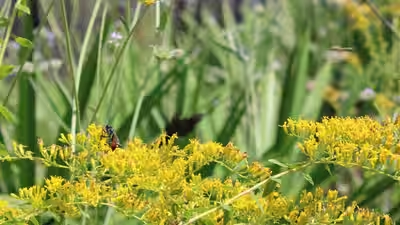
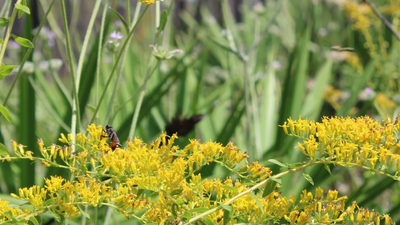
One reason the Goethe forest recovered so quickly is that many of its plants have evolved alongside frequent fires. Saw palmettos are a particularly striking example. Although their leaves and above-ground stems can be scorched, much of the plant’s structure remains protected beneath the soil. New fronds began emerging from charred stems within weeks of the Cow Creek fire.The same fire-adapted strategy is seen across Florida’s pine ecosystems. University of Florida research notes that fire can encourage many shrubs, grasses and herbaceous plants to regrow from their roots, while also stimulating flowering and creating more favourable conditions for certain wildlife species.That means the blackened landscape left behind by a wildfire can sometimes conceal an extensive underground reserve of life. By late August, that recovery was visible across the forest. New greenery had begun filling spaces that had been covered in ash only months earlier, while yellow wildflowers and goldenrod added colour to the recovering landscape.
Why fire can bring more flowers
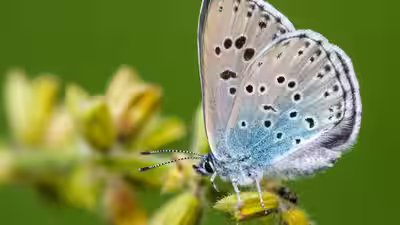
The return of vegetation has also created a new food source for insects. Recently burned areas can become particularly attractive to pollinators because fire removes dense vegetation and exposes bare patches of soil. That can create easier nesting conditions for bees and other insects that burrow underground.At the same time, many plants that emerge rapidly after fire produce abundant flowers. With fewer competing plants around them, those blooms can become highly visible to passing pollinators. Researchers therefore expect burned areas to attract both insects that survived the fire and others arriving from surrounding habitats. By August, bees, butterflies, wasps, dragonflies and other insects were already active among the new growth.
Florida has a long relationship with fire
The recovery also reflects a broader feature of Florida’s landscape: fire is not necessarily an ecological outsider. For generations, natural fires and carefully managed burns have helped shape the state’s pine forests and understory. Today, land managers use prescribed fire to reduce accumulated vegetation, lower wildfire risks, control some pests and diseases, and maintain habitats that depend on regular burning.The University of Florida notes that prescribed fire is widely used across the state and can support ecosystem health while reducing hazardous fuel loads. The timing of the Cow Creek fire may also matter. Research cited by WUFT suggests that fires occurring during the growing season can contribute to greater plant and pollinator diversity in the years that follow.That does not make the wildfire harmless. The Cow Creek blaze killed trees, threatened nearby communities and required a major firefighting response. But its aftermath shows why fire’s role in Florida cannot be understood only through the damage visible immediately afterward.
A forest already looking ahead
Only months after the flames moved through Goethe State Forest, the landscape is no longer defined entirely by ash. New palmetto fronds are pushing through blackened stems. Wildflowers are opening across the forest floor. Insects have returned in large numbers, taking advantage of newly available food and nesting habitat. For a forest shaped by thousands of years of fire, recovery is not necessarily a return to what existed before. It is part of an ongoing cycle of burning, regrowth and renewal. And in Goethe State Forest, that cycle is already well underway.