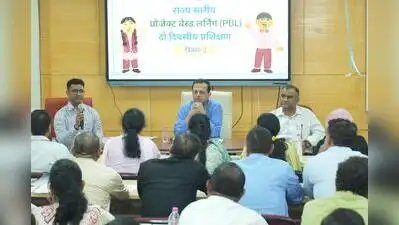







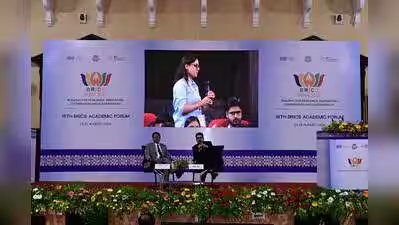
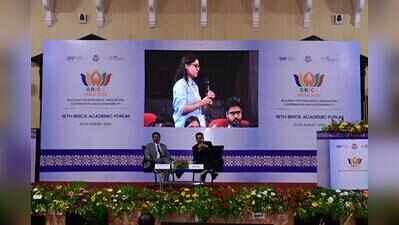
Lucknow: What does a global group like BRICS have to do with an ordinary college student? A lot, especially when it comes to the future of jobs, technology, education and opportunities.At the 18th BRICS Academic Forum, which concluded at Lucknow University on Tuesday, the focus also turned towards young people and the world they will soon step into. The forum gave students a chance to understand how cooperation between countries can shape issues that matter to their everyday lives and future.A Youth Townhall on India’s BRICS chairship gave students a chance to interact with joint secretary, ministry of external affairs, and BRICS Sous-Sherpa Shambhu L Hakki.“You cannot grow alone. Countries must work together and grow together. Cooperation between countries can mean more opportunities to learn, work and innovate. With artificial intelligence and new technologies changing the job market, students may benefit from countries sharing knowledge, skills and ideas,” said Hakki.He added that climate change and sustainable development are also becoming important parts of young people’s future. The kind of industries and jobs that grow in the coming years will depend partly on how countries work together on these challenges.“For students, the townhall was also an opportunity to understand that international affairs are not just about politicians sitting around a table. They can affect the technology they use, the jobs they pursue and the opportunities available to them. Young people are not just preparing for the future; they will help build it. Getting ahead does not always mean going alone. Sometimes, growing together can take everyone further,” said Hakki.The forum concluded with a set of recommendations identifying practical pathways to build economic and climate resilience, deepen cooperation on innovation and technology, advance sustainable development and support a more inclusive and effective multilateral system.During the two-day event, BRICS Compendium: Building for Resilience, Innovation, Cooperation and Sustainability was also launched, bringing together 48 authors from more than 25 institutions across the BRICS countries.