









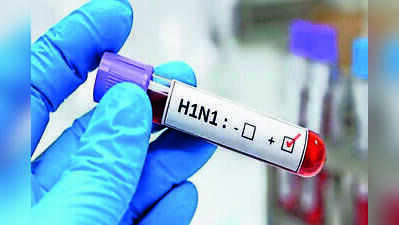
Hyderabad: No cases of H1N1, commonly known as swine flu, have been confirmed in Telangana so far, health officials said on Monday even as neighbouring Karnataka recorded over 4,000 cases and Delhi nearly 2,000. However, govt and private hospitals in Hyderabad are witnessing an increase in patients with influenza-like symptoms.At the Govt Fever Hospital, Nallakunta, doctors are receiving around 450 to 500 patients a day with fever, cold, cough and sore throat. Doctors in private hospital are also seeing 10 to 15 cases in a day.“We have been conducting Covid RT-PCR tests and influenza A and B tests using diagnostic kits. However, no patient tested positive for influenza so far in Aug,” said Dr Musa Khan, in-charge superintendent.Dr M Srikanth, Narsingi Govt Hospital, said blood samples of suspected cases were being sent for testing. “Many patients now report that cold and cough symptoms take longer to settle, particularly after Covid-19, but we have been instructed to keep antiviral medicines and diagnostic kits ready. Not everyone with fever or respiratory symptoms needs to be tested for H1N1,” he added.H1N1 is a flu virus that spreads from person to person, usually through droplets released while coughing or sneezing. Common symptoms include fever, cough, sore throat, runny or blocked nose, body pain, headache, weakness and tiredness. Doctors cautioned that these symptoms can also occur in other viral infections, and not every fever or cold indicates H1N1.Doctors also highlighted that while they are seeing some influenza A, positive cases, there is no need to panic. ”The virus has been present for many years and usually causes symptoms such as sore throat, fever and cold. It is treatable. Concern arises only if the infection progresses to severe pneumonia, which we have not seen so far. Not every patient needs testing, but those diagnosed with Influenza A or B should consult a doctor,” said Dr Chaitanya Challa, senior consultant, general medicine, CARE hospitals.Director of public health, Dr Ravinder Nayak said the state was seeing “regular influenza-like illness” and severe acute respiratory infection cases, but their numbers were lower than during the Jan-Aug period last year. “We believe that our 99-day sanitation drive and relatively lower rainfall could be among the factors behind the reduced caseload,” he added.Doctors advised elderly people, pregnant women, young children and those with existing health conditions to take extra precautions. “Patients with persistent high fever, breathing difficulty, chest discomfort, severe weakness or worsening cough should seek medical care without delay. Parents must consult a doctor if a child’s fever continues for more than five days, while infants with rapid breathing need immediate attention. Children with flu symptoms should stay away from school to prevent the spread of infection. People with a recent travel history should also remain cautious,” said Dr Anirudh P. of Apollo Clinics, Kompally.Do’sDo’s– Wear a mask if you have cough, cold or fever symptoms– Wash hands regularly and cover your mouth and nose while coughing or sneezing– Rest, drink plenty of fluids and stay home when unwell– Consult a doctor if fever persists or symptoms worsenDon’ts– Do not self-medicate, especially with antibiotics, without a doctor’s advice– Do not send children with flu symptoms to school or go to work while sick– Do not ignore breathing difficulty, chest discomfort or severe weakness