









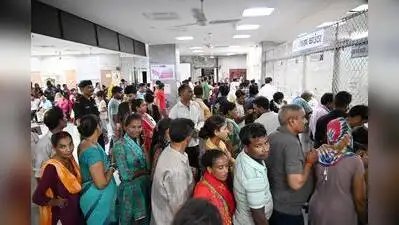
Noida: With Delhi recording over 1,700 H1N1 positive cases in the past weeks, health authorities across NCR, including Noida and Ghaziabad, have stepped up monitoring and urged residents to focus on preventive measures.Hospitals across the city said they are seeing more patients with high-grade fever and symptoms resembling swine flu. “We are seeing more patients with sudden onset fever, cough, sore throat, body ache, headache and marked fatigue. A proportion of patients, particularly those with underlying lung disease or other co-morbidities, are also presenting with breathlessness, oxygen desaturation or pneumonia,” said Dr Rahul Sharma, director of pulmonology and respiratory critical care at Fortis Noida.Doctors noted that Delhi has reported more than a six-fold increase in laboratory-confirmed H1N1 cases compared to the same period last year.“The actual number of infections is likely to be considerably higher because many patients with mild illness are neither tested nor reported and recover at home. There is currently no evidence that this surge is being driven by a new H1N1 strain or an antigenic shift. The increase is likely multifactorial, with increased transmission during the monsoon, indoor crowding, accumulation of susceptible individuals and waning immunity contributing to the rise,” said Sharma.Amid the rise in infection, Ghaziabad health department has issued an advisory on seasonal influenza, including H1N1 or swine flu, urging residents to remain cautious and follow preventive measures. The advisory said influenza is a contagious respiratory illness that spreads through coughing, sneezing or close contact with an infected person.“Residents have been advised to watch for symptoms such as sudden high fever or chills, dry cough, sore throat, runny or blocked nose, headache, severe body and joint pain, and extreme fatigue. Children may also experience vomiting or diarrhoea. Maintain hand hygiene, cover their mouth and nose while coughing or sneezing, avoid touching their face with unwashed hands and use masks in crowded or poorly ventilated spaces,” read the advisory.It also suggested that those who are unwell have been advised to avoid work, school and close contact with others, while refraining from taking antibiotics or antiviral medicines without medical advice.Ghaziabad has officially recorded three positive cases so far, while 42 tests have been done since Wednesday, though the actual number could be higher due to unreported cases. Meanwhile, Noida chief medical officer Dr Madan Mohan Mani Tripathi maintained that no such data has been recorded for the district so far. “H1N1 is a droplet-borne infection. More than panic, residents must understand that taking precautions is utmost important,” he said.“Elderly, pregnant women, people with weak immunity or chronic illnesses, and healthcare workers have been asked to take special precautions and consult doctors regarding vaccination. Residents experiencing difficulty breathing, severe chest pain, persistent high fever or sudden worsening of symptoms have been advised to seek immediate medical care,” said Dr RK Gupta, district surveillance officer of Ghaziabad.“While we don’t test every single person specifically for H1N1, there is a very noticeable increase in seasonal viral infections circulating in the community right now. Most cases are mild and can be managed at home with symptomatic treatment, rest and fluids. I have not seen a major spike in hospitalisations, though we closely monitor and occasionally refer high-risk patients—like the elderly or those with asthma—to the hospital for breathing issues,” said Dr Sanjay Sanadhya, senior director of internal medicine at Max Super Speciality Hospital in Sector 128.“Vaccination, however, remains extremely important because even when it does not completely prevent infection, it significantly reduces the risk of severe disease and hospitalisation. Testing should be considered more strongly in patients with atypical presentations, pneumonia, severe illness, COPD or significant comorbidities. Sensible precautions remain important, especially avoiding close contact when symptomatic, wearing a mask when sharing indoor spaces with others, maintaining hand hygiene and avoiding unnecessary self-medication with antibiotics. High-risk individuals should seek medical attention early if they develop breathlessness, persistent high fever, low oxygen saturation or worsening symptoms,” Sharma added.