









A fire that broke out at an ageing structure in Margao a few months ago exposed a wider problem: Many older buildings may be unsafe, and the public has no clear record of which ones meet fire norms

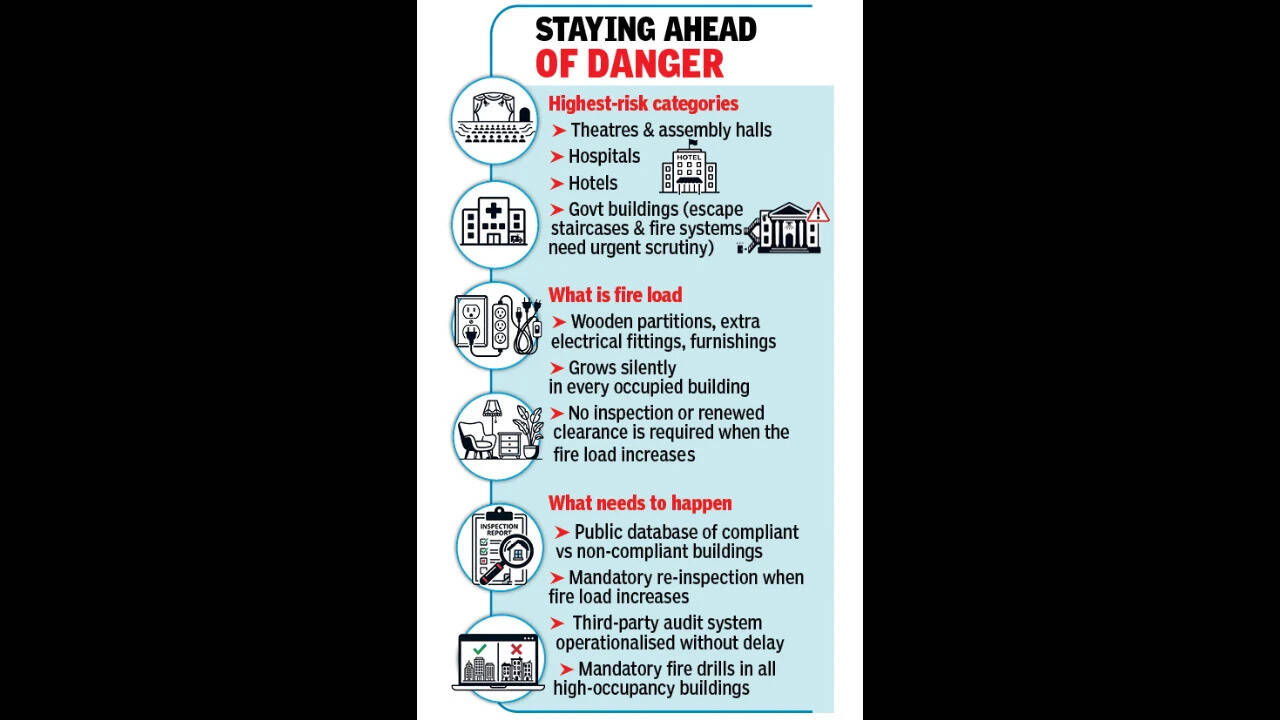
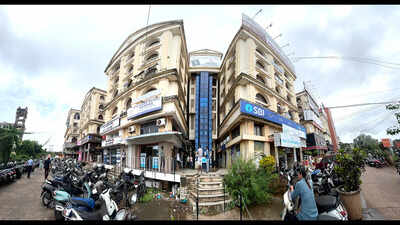
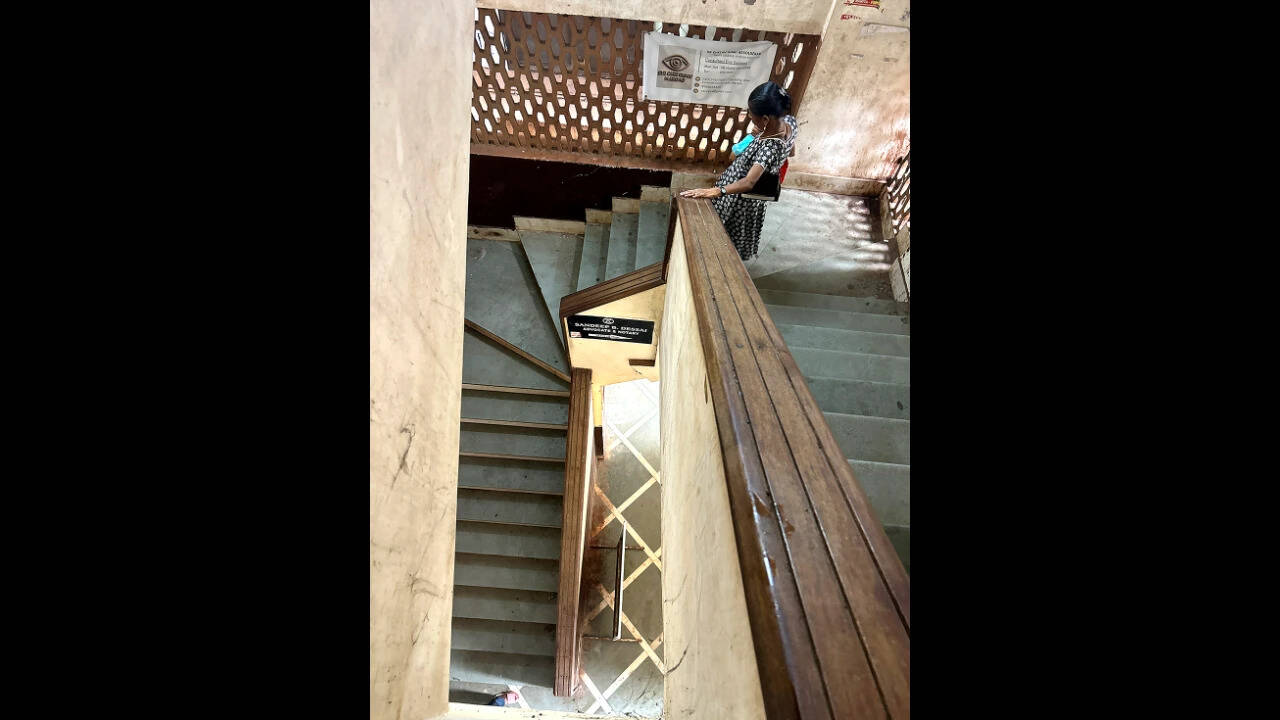
When a fire broke out at the Dawood building in Margao this April, it destroyed property but spared lives. The building had no escape staircase, no fire extinguishers, and no clear access route from the main road for fire engines.It was not an exception.According to sources in the fire department, approximately 60% of buildings that are over 30 years old in Goa may fail to meet current fire safety standards.If the estimate itself is alarming, what’s worse is that there is no comprehensive, publicly available audit of which buildings are compliant, which are not, and what is being done about it. Former director of fire and emergency services, Ashok Menon, puts the question bluntly: after the Dawood fire, after the Birch by Romeo Lane nightclub tragedy that killed 25 people in Dec 2025, has the fire department published data on how many buildings have been inspected, sealed or certified safe?The vulnerability is not confined to crumbling private structures, but extends to govt buildings as well, where fire safety systems and escape staircases warrant urgent scrutiny. Fire safety experts point out that the increase in fire load on every floor is not proportionate to the existing safety mechanism. Wooden partitions, additional electrical fittings, furnishings, et al are what fire safety professionals call fire load, and it is a hazard that grows silently in every occupied building without triggering any inspection or renewed clearance requirement.Fire safety professionals identified theatres, assembly halls, hospitals and hotels as the highest-priority categories given the density of people they hold at any given time.
Director of fire and emergency services Nitin Raikar maintains that the department enforces compliance rigorously for new constructions. For every building above 15m, his department conducts site inspections at two stages — an initial NOC at the time of obtaining a construction licence, and a final NOC before the occupancy certificate is issued. Municipalities, he adds, do not grant trade licences without a fire NOC being in place first. “All parameters are strictly checked during the inspection before NOCs are granted. Compliance has been made stricter following the Birch incident,” he said.“Just getting an NOC is not enough. It is the owner of the property who should ensure that current systems are in working condition, and that drills and training are conducted,” a fire safety professional said.Raikar said the third-party audit system was ready to be operationalised. “Independent auditors will conduct an audit and submit the report to us,” he said. But for Goa’s vast stock of older buildings — structures that predate the current NOC regime entirely — this reform offers no immediate remedy.When it comes to ageing private structures, Raikar puts the ball in the PWD’s court. “As regards old buildings, it is the mandate of the PWD to check them for structural stability,” he said.One dimension of building fire safety that receives the least public attention is what happens in the minutes after a fire starts. Menon is emphatic on this point: it is smoke, not flames, that kills in the overwhelming majority of building fires. Carbon monoxide released by burning synthetics and furnishings overwhelms occupants before fire reaches them — particularly in buildings with blocked exits or untrained occupants who do not know evacuation routes.“But there are ways and means to control that smoke too — only by training,” Menon said.