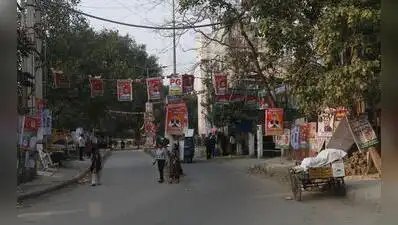









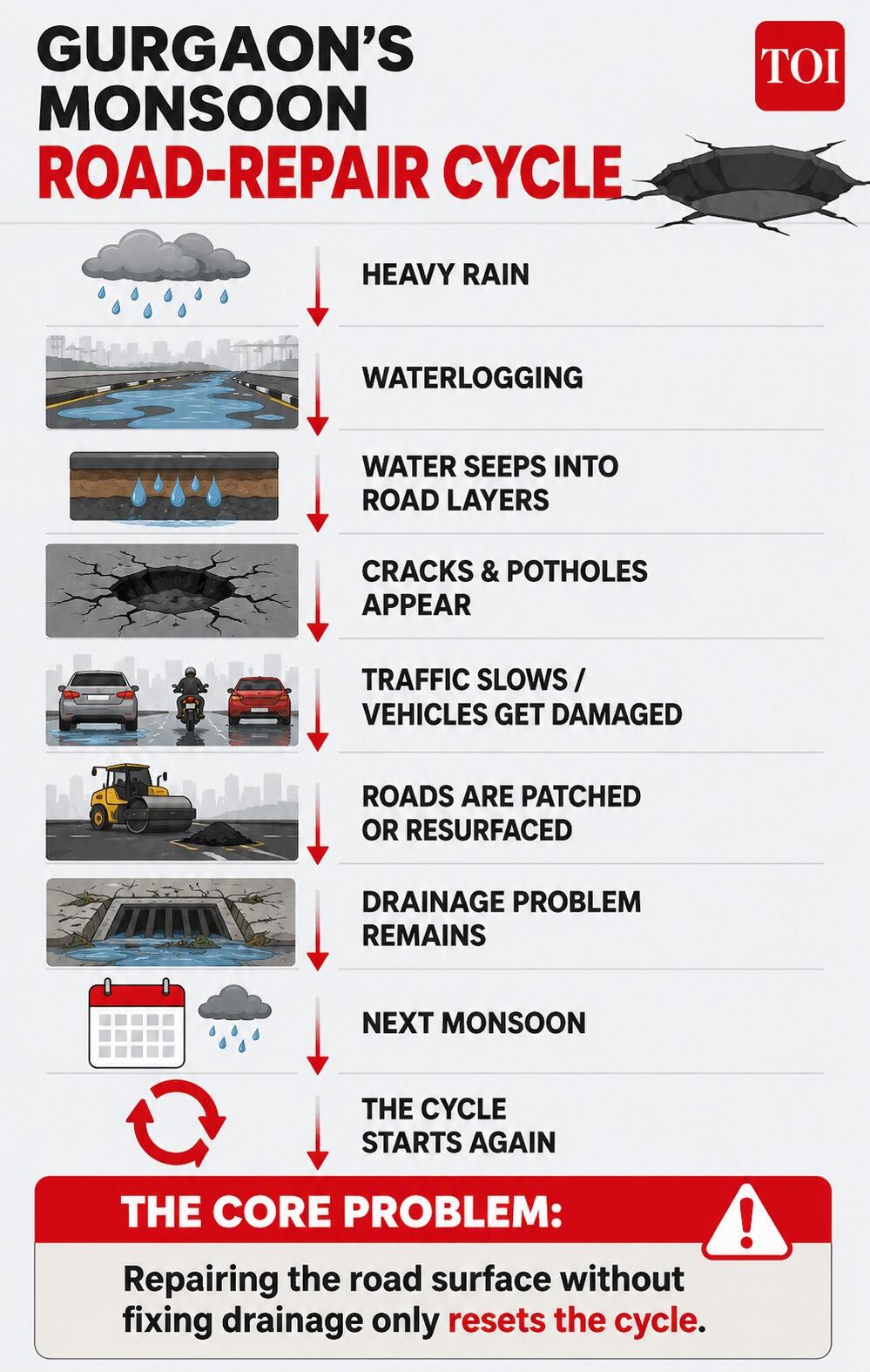
GURGAON: Every monsoon, Gurgaon seems to enter the same familiar cycle. Heavy rain exposes potholes, damaged stretches and waterlogging, traffic slows to a crawl, civic agencies deploy pumps and announce repairs, roads are patched or resurfaced, and residents move on, at least until the next spell of rain. This year, however, the numbers and the damage are raising a bigger question: why is Gurgaon still spending on repairing roads when the underlying drainage and construction problems remain unresolved?
The latest spell of rain has brought another uncomfortable reminder. Key stretches such as MG Road, Ghata Road, the Sirhaul-Kapashera border road, Sheetla Mata Mandir Road and roads in Palam Vihar have reported damage. The problem extends beyond these pockets. Major corridors such as Sohna Road, Golf Course Extension Road and the Southern Peripheral Road also carry large volumes of daily traffic. These are not just residential streets; they connect some of Gurgaon’s busiest residential, commercial and business districts.
Rs 11.8 crore road still gets floodedRecurring waterlogging on Sector 102-102A road raises safety concernsPerhaps the most glaring example of the problem is the road connecting Sectors 102 and 102A, near Dwarka Expressway. The stretch was redeveloped by GMDA last year at a reported cost of Rs 11.8 crore, with a drainage system as part of the project. But residents say the road floods after rain, causing traffic bottlenecks and damaging the road surface. Or, to put it differently, the city did not inherit just an old, neglected road. It spent money on redevelopment, including drainage, and the same basic problem still existed.Which raises a question that Gurgaon needs to answer before another round of repairs starts. Was the problem really the road surface, or was the road surface only the visible symptom? Water trapped on a carriageway can cause deterioration even to a newly laid surface. Water can seep into cracks, weaken the underlying layers and ultimately turn minor flaws into potholes and larger craters. So repeated resurfacing without correcting the drainage problem is not likely to be a long-term fix.
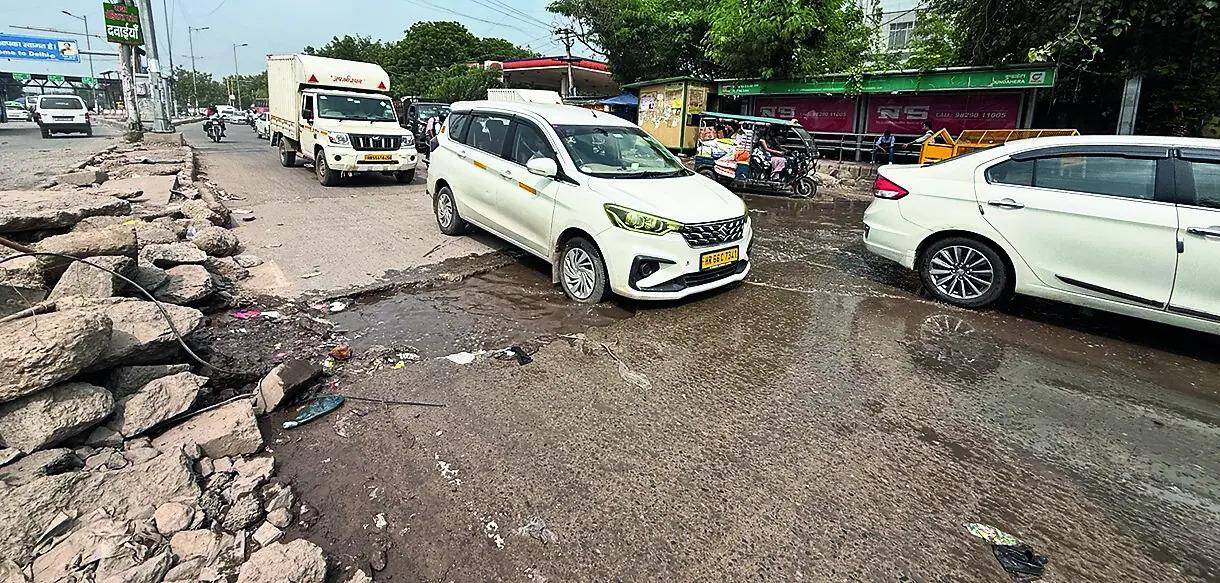
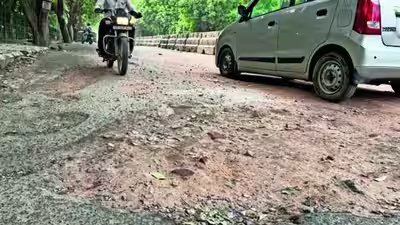
Vehicles are being forced to slow down, brake suddenly or change lanes to negotiate the damaged portions, affecting traffic flow
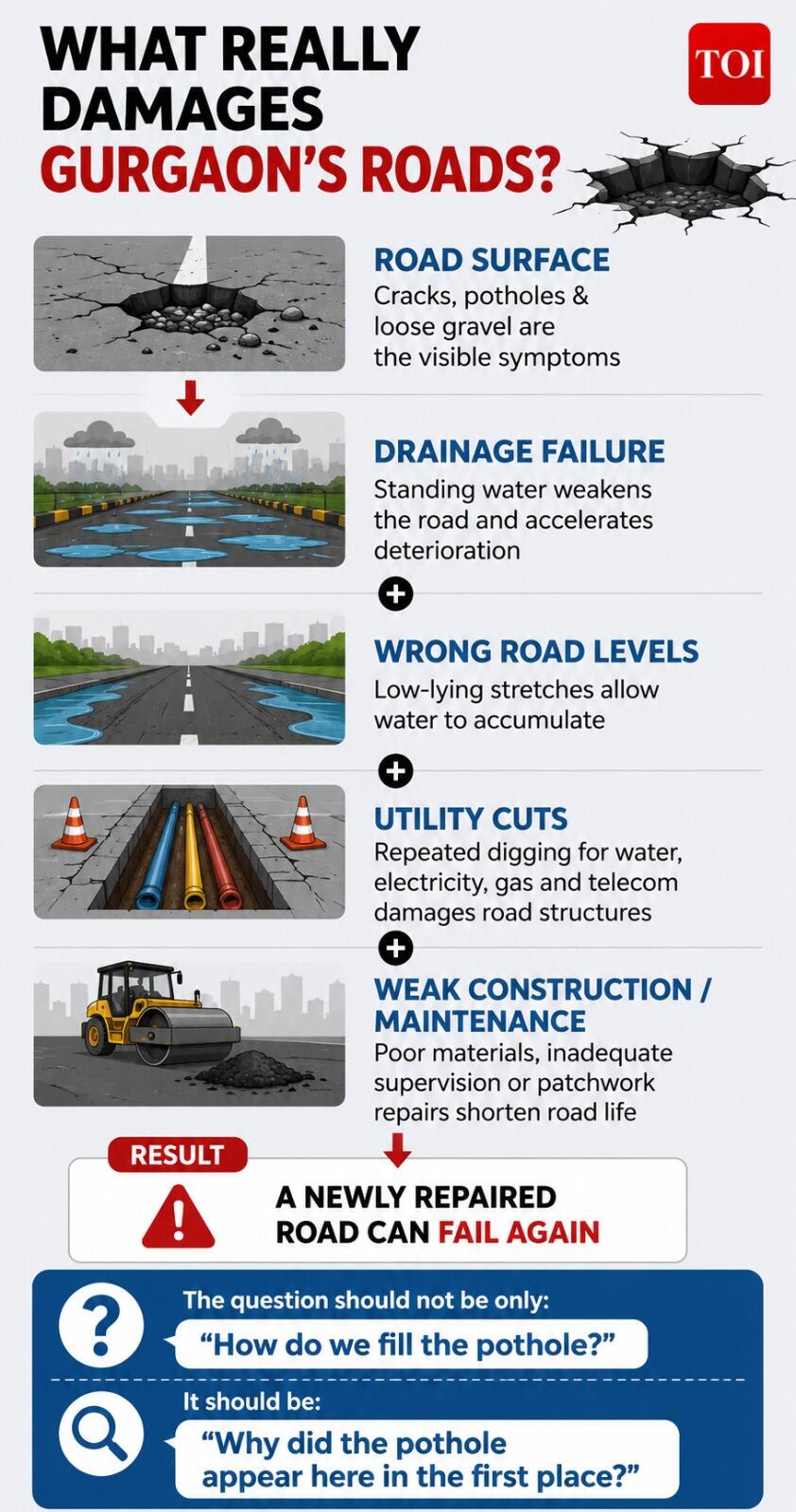
Monsoon exposes more than potholesCracks to craters: Gurgaon roads come undone after rainThe latest damage is not just to a road. A recent TOI ground report found cracks, loose gravel, potholes and waterlogging on several major stretches in Gurgaon after rain. The accumulated water in the potholes makes it difficult for motorists on roads such as MG Road and Ghata Road to judge the depth of the potholes, increasing the risk of accidents and damage to vehicles. The problem is particularly bad when usually busy roads get into bad condition at the same time.Gurgaon’s problem is also not simply that it receives rain. The city has repeatedly struggled to get stormwater out quickly enough. While a recent spell dumped over 200mm over 72 hours, several parts of Gurgaon were waterlogged with 97mm of rain in 24 hours in early August. The repeated sequence suggests that the city is dealing with both extreme rainfall events and infrastructure that has limited resilience when such events occur.
You can’t separate the road question from the drainage questionThis is where the Gurgaon roads debate takes on a larger-than-pothole cast. Roads are part of an interconnected urban system. Their survival depends on drainage, road levels, quality of construction, maintenance, utility work and the capacity of surrounding infrastructure to handle runoff.Water accumulates on roads when drainage systems fail. Repeated opening of roads for utilities can damage their structures. If the repairs are done on the top layer and not on the underlying cause, the same defects can reappear. And when roads, drains, utilities and surrounding development are controlled by different agencies, fixing one component doesn’t necessarily fix the system.
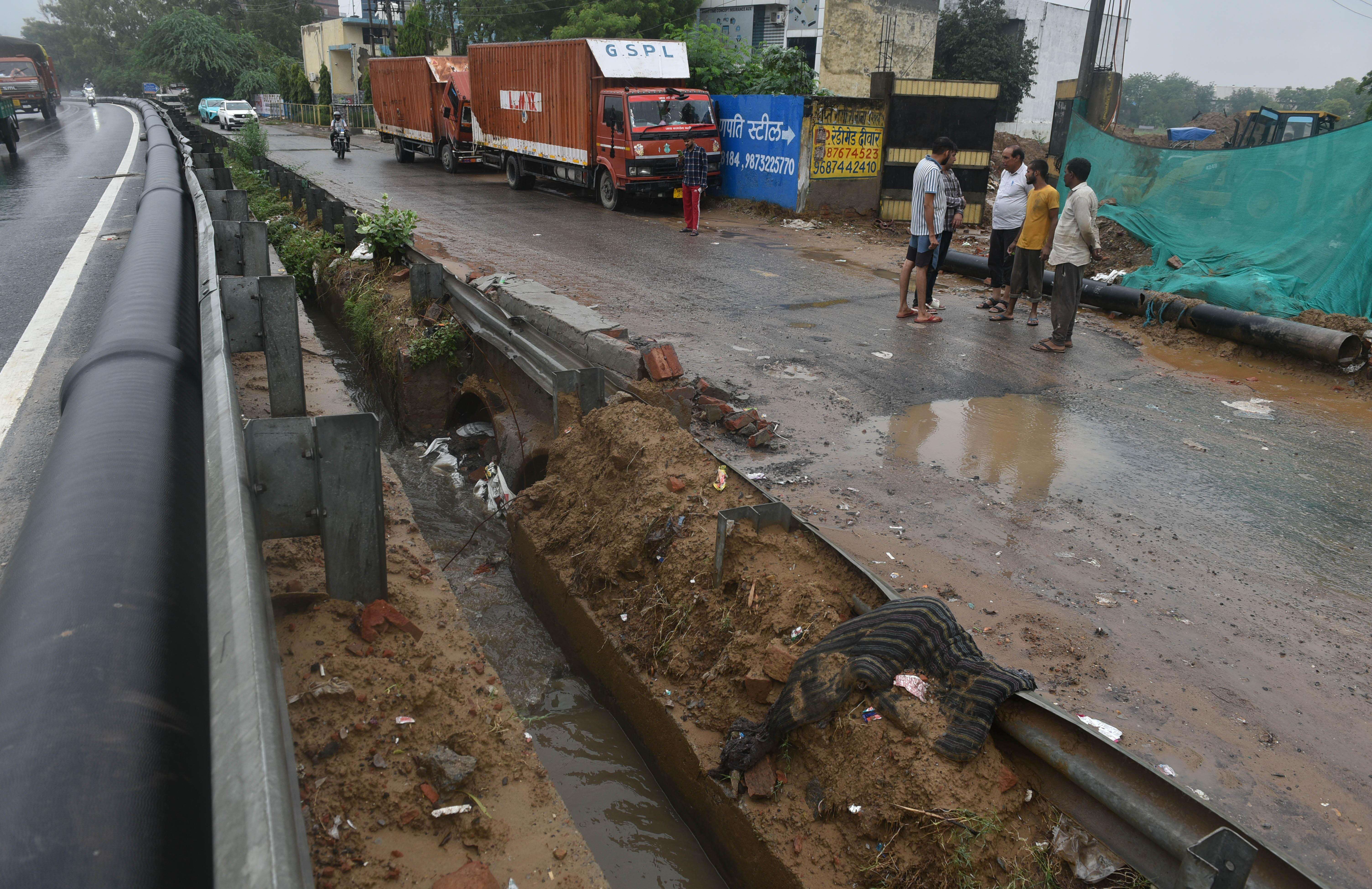
Road cave-in condition at Narsinghpur
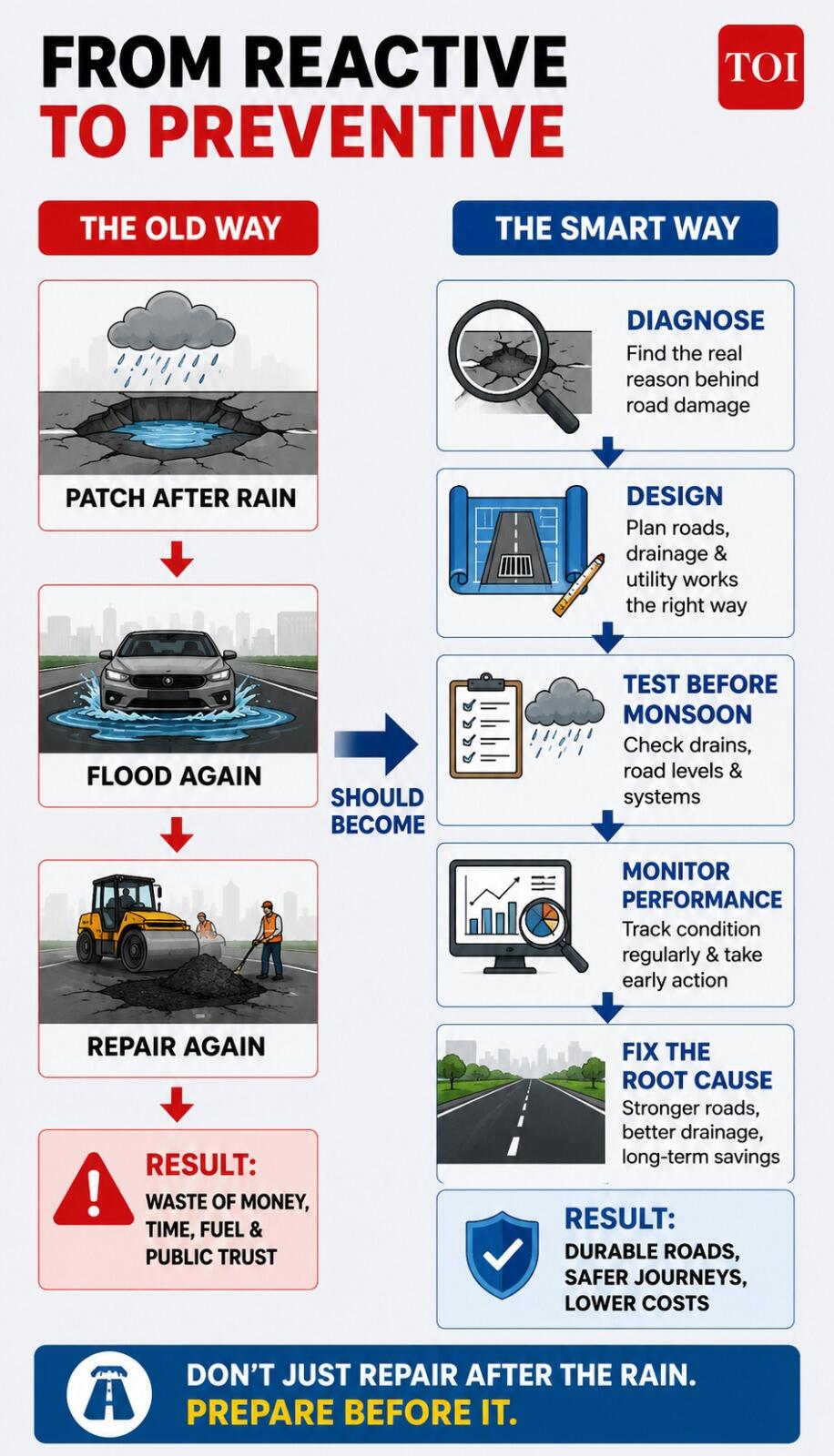
Gurugram has already experimented with technology for a bigger problem of waterlogging. The Indian Institute of Technology, Gandhinagar (IIT) has installed a sensor system to track the parameters of sewer networks in real time. This means officials have understood the need to change from reactive to preventive monitoring before flooding of the roads.10 ways Gurgaon can break the road-repair cycle1. Make drainage a compulsory part of every road project2. Diagnose the cause before resurfacing the road3. Build a citywide stormwater map4. Fix road levels, not just road surfaces5. Treat drains as infrastructure, not seasonal cleaning jobs6. Complete the missing links in the master-drain network7. Protect natural drainage channels and water bodies8. Introduce performance-based road contracts9. Create one accountability chain for roads and drainage10. Shift from repair after rain to test before monsoonThe repair bill is only a fraction of the costThe financial costs of damaged roads are only part of the story. Every crater-ridden or flooded road is a cost to the commuters too. Cars and two-wheelers get damaged, journeys take longer, fuel consumption increases and businesses suffer losses in productive hours when employees are stuck in traffic.Gurgaon is especially vulnerable as its roads link residential sectors with office districts, industrial areas, highways and the airport corridor. A single failure can cause a cascade of failures across the city. For example, the road cave-in on the Delhi-Jaipur highway earlier this monsoon caused traffic snarls for kilometres and demonstrated how quickly a physical infrastructure failure can become a city-wide mobility problem.Gurgaon needs to repair the road, and the systemThe uncomfortable conclusion is that Gurgaon may not be the only city with a pothole problem. It has a planning and maintenance problem, and potholes are the most obvious symptom of that. You can’t judge a road by how smooth it looks right after it has been resurfaced. Its performance during the coming monsoon is what will decide.This means future road contracts must incorporate stronger accountability for drainage, quality of materials, supervision of construction and post-monsoon performance. If a recently redeveloped road costing crores begins flooding again, residents should be able to ask who designed the drainage, who approved it, who executed the work and why it failed.Gurgaon’s monsoon has once again provided the evidence. For every rupee the city spends fixing what the rain has damaged, it could spend a rupee figuring out why the same roads keep falling apart. The latter may cost a little more upfront, but the bigger savings may lie in breaking the cycle of patch, flood, damage and patch again.