






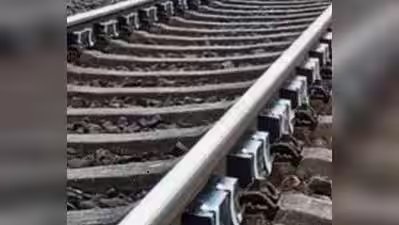
Panaji: Union govt said a revised wildlife mitigation plan has been prepared to enable completion of the pending double-tracking work on the Duski–Castlerock–Kulem–Kalem section, and the section has been taken up for the necessary clearances to start work.The doubling of the Hospet–Hubballi–Londa–Tinaighat–Vasco da Gama railway line is being executed over 312km at a total cost of Rs 4,730 crore. Expenditure incurred on the project stands at Rs 2,785 crore up to March 2026. For 2026–27, an outlay of Rs 434 crore has been provided.According to Union govt, completion of the project will improve mobility and connectivity for both goods and passengers from Goa to other parts of the country. It noted, however, that progress has been hindered by forest and wildlife clearance issues along the 38-km Duski–Castlerock–Kulem–Kalem stretch.Railway minister Ashwini Vaishnaw said completion timelines for railway projects depend on multiple factors, including land acquisition by state govts, forest clearances, shifting of infringing utilities, statutory clearances from various authorities, geological and topographical conditions, and law and order at project sites.The update came in response to questions in the Rajya Sabha by MP Sadanand Shet Tanavade, who sought details on the project’s current status, sanctioned cost, year-wise budget allocations over the last five years, expenditure incurred, physical progress, section-wise completion status, and the expected timeline for completion. He also asked whether the govt had assessed potential benefits such as increased freight capacity, reduced logistics costs, improved passenger movement, highway decongestion, lower carbon emissions, and support for port-led economic growth, including gains for Goa’s mining, tourism, and industrial sectors.The railway minister said railway infrastructure projects drive socio-economic development by better integrating regions with the rest of the country, enabling faster movement of goods and services, improving logistics efficiency, enhancing line capacity, creating direct and indirect employment, reducing operational bottlenecks, and supporting tourism and industrial activity.