








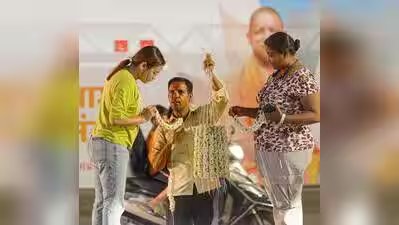

Manoj ChhabraEven in the bustle of Hazratganj, where conversations, traffic, and footsteps blend into the rhythm of the evening, one fragrance still rises above the noise—the unmistakable scent of fresh Bela.As dusk settles over Lucknow, someone carrying strings of freshly woven jasmine garlands walks through the streets, and suddenly the air feels softer. It is as though an old Awadhi folk song has dissolved into the breeze. The delicate perfume of Bela has a way of making people slow down, if only for a moment. It is more than a flower; it is a memory, a tradition, and a quiet expression of love that has scented the city’s evenings for generations.Long before perfumes became luxury accessories and shopping shifted to mobile screens, the fragrance of fresh Bela garlands was inseparable from an evening stroll in Hazratganj. Decades have passed, fashions have changed, but this simple tradition survives—held together by the patient hands of three brothers who continue to string fresh flowers every day before walking through Hazratganj, offering their fragrant craft to anyone willing to pause.Among them is Arvind Saini, who has spent the last twenty-eight years weaving delicate jasmine garlands. His elder brother has been doing the same for nearly forty-five years, making the family one of the oldest flower-selling families in Lucknow’s iconic marketplace.Their day begins before the city slows down. At dawn they visit the flower market to buy fresh Bela blossoms. Back home, Arvind and his wife sit together, carefully threading each tiny flower into graceful garlands, one blossom at a time. By five in the evening, they are in Hazratganj, where they remain until nearly one in the morning, serving regular patrons, curious visitors, and countless strangers drawn by the flowers’ irresistible fragrance.Before Hazratganj became their evening workplace, the family earned a living by preparing packets of flowers for daily worship and delivering them to homes across Lucknow. Many of those customers still recognize Arvind. Some stop to greet him, smiling as they recall buying Bela garlands from him years ago—a tradition that, in many families, continues to this day.Arvind smiles warmly as he says, “People still remember us. They tell us they bought Bela garlands from us years ago, and whenever they come to Hazratganj, they make sure to buy one again.”Priced between ₹50 and ₹60, the garlands remain within everyone’s reach. While the art of weaving them has changed little over the decades, the business has quietly embraced modern times. Today, alongside the fragrance of fresh flowers, a small QR code hangs nearby, allowing customers to pay through UPI as effortlessly as they once handed over coins.Most evenings, the brothers can be found walking around the area near Moti Mahal Restaurant, where crowds gather after sunset and the scent of jasmine mingles with the aroma of food and the city’s timeless charm.Arvind also recalls an unexpected brush with cinema. During the shooting of a film in Lucknow, he was offered a small role on screen. He fondly remembers acclaimed actress Farida Jalal buying a Bela garland from him. Over the years, actors, public figures, and countless visitors have paused at his side—not because of advertisements or bright displays, but because the fragrance itself called them over.Like many traditional occupations, the future of this family craft remains uncertain. Younger generations are increasingly drawn toward different careers, and no one knows whether the next generation of the Saini family will continue this quiet legacy.But for now, every evening, as Hazratganj fills with people and lights, the fragrance of fresh Bela still drifts through its streets. It serves as a gentle reminder that some of Lucknow’s oldest traditions do not survive behind museum glass. They live in ordinary hands, in patient craftsmanship, and in people who faithfully return every evening—keeping the soul of the city alive, one fragrant garland at a time.