








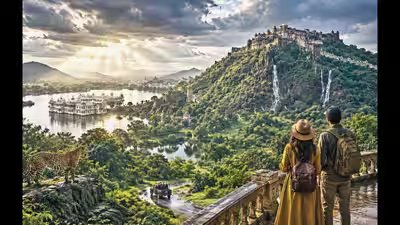
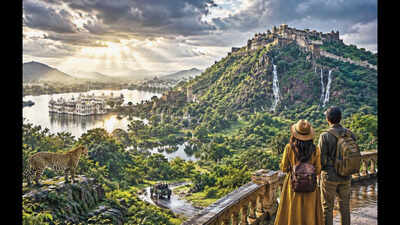
Rajasthan is under the spell of the monsoon, the state’s most-awaited season. After months of scorching summer, cities across Rajasthan have come alive with lush greenery, overflowing wetlands and breathtaking landscapes. Not surprisingly, travel trends indicate a clear shift this year: people are planning trips around the rains, opting for slower, more immersive journeys and venturing beyond the state’s usual tourist hotspots. While Rajasthan has always been among the country’s top travel destinations, the monsoon offers an entirely new charm, making it even more irresistible for travellers.
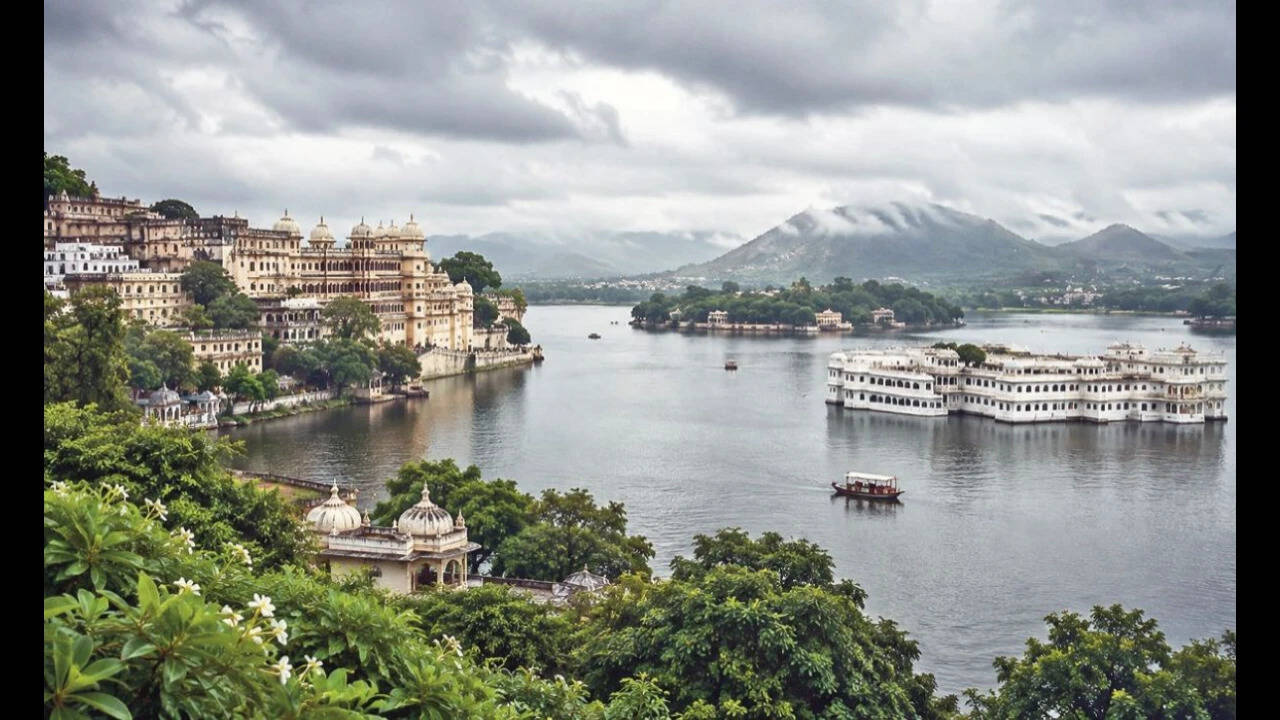
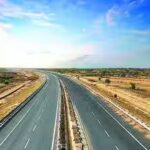
‘Rajasthan comes alive with a unique monsoon glow’Travel expert Sanjay Kaushik, founder of Friends of Rajasthan Tourism (FORT), shares, “This is what we call green tourism, when the entire state comes alive with a unique glow. More travellers are now exploring nature in its purest form. The growing popularity of monsoon getaways across Rajasthan has given a significant boost to the hospitality industry, while smaller and emerging destinations are witnessing remarkable growth. Improved air connectivity, along with newly developed expressways and highways, has also made it easier for tourists to plan quick and convenient escapes. Udaipur’s beautiful lakes offer a magical charm during the monsoon, making the city a must-visit. Destinations such as Mount Abu, Ranthambore, Jawai (Pali), Sariska, Kumbhalgarh, and Ranakpur are also drawing increasing numbers of visitors. Meanwhile, Mukundara Hills National Park in Kota and Ramgarh Vishdhari Wildlife Sanctuary in Bundi have emerged as major attractions for travellers seeking authentic wildlife experiences.” While places like Ranthambore, Sariska and Jawai offer a unique wildlife experience, places like Ranakpur, Kumbhalgarh and Chittorgarh offer enchanting views of monuments, forts, and even temples.
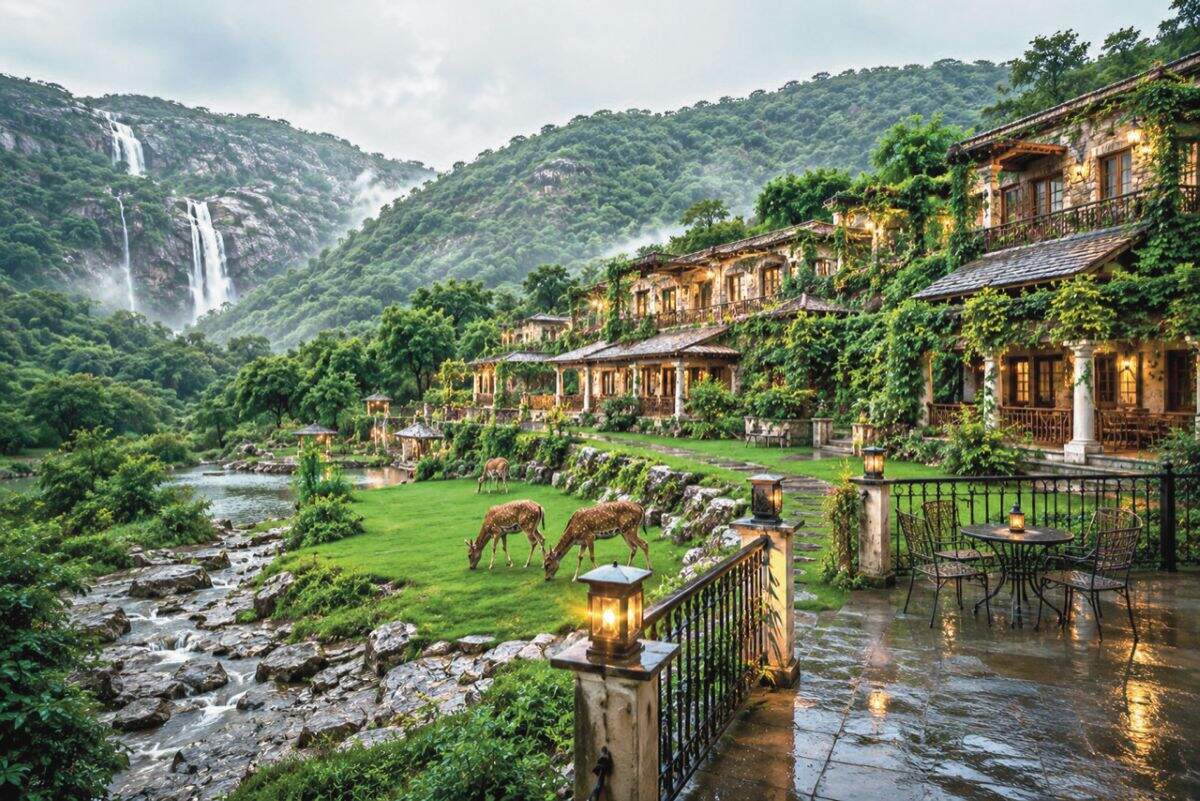
‘Buffer-zone safaris offer a rewarding experience’Lush green landscapes, replenished waterbodies and a serene ambience have given Rajasthan, long known for its dry terrain, a striking new avatar. Ajay Singh Rathore, a tour guide, says, “Nature lovers are increasingly choosing destinations like Ranthambore and Sariska for their renowned tiger reserves. While the core zones remain closed during the monsoon, buffer-zone safaris offer an equally rewarding experience. The rains not only enhance the landscape’s beauty but also attract a variety of resident and migratory birds to the region’s waterbodies.”‘Hotels get more bookings during the rainy season’People are increasingly looking for experience-led stays. Hotels remain the preferred choice, followed by resorts, while hostels, homestays and budget accommodations continue to see steady growth. Luxury is no longer defined solely by star ratings, as travellers are looking for premium stays that offer immersive nature experiences over conventional upscale amenities.Maninderjeet Singh, a travel expert, shares, “It’s the time when nature is in full bloom and tourists wish to explore natural beauty. In classic monsoon destinations like Ranthambore and Sariska, resorts are the preferred stay than five-star or four-star properties, as people wish to explore the real beauty of the magical season. Travellers are also planning these getaways well in advance this year, rather than the last-minute, spontaneous monsoon trips of the past, a sign that monsoon travel is becoming a deliberate, planned part of the calendar rather than an afterthought.”Prem Singh Nathawat, owner of a boutique hotel in Sariska, adds, “We get more bookings during the rainy season due to our proximity to the Sariska Tiger Reserve. Despite it being the off-season, we receive a good number of domestic tourists. Our property, surrounded by the Aravallis, with abundant wildlife and seasonal waterfalls, makes it a perfect choice for the season.”Popular monsoon getaways in RajasthanUdaipurMount AbuRanthambore (Sawai Madhopur)Sariska (Alwar)Keoladeo National Park (Bharatpur)ChittorgarhKumbhalgarhRanakpurSambhar (Jaipur)Jhalana Leopard Safari (Jaipur)