









The global race to combat climate change has started a debate on how we use our energy, moving us toward a world powered by wind, sun, and electricity. We view technologies like electric vehicles and battery storage systems as beneficial for the planet, but a groundbreaking study led by Japanese researchers from Tohoku University and the National Institute for Environmental Studies (NIES) reminds us that there is no such thing as ‘free’ in environmental science.By using artificial intelligence and satellite mapping, these scientists have found a grave reality that the very minerals we need to save our climate are placing a heavy burden on the world’s most fragile ecosystems. To ensure a sustainable future, we must look beyond carbon emissions and consider the true cost of our green materials.
How did mapping of 70,000 mining sites uncovered the hidden cost of mining
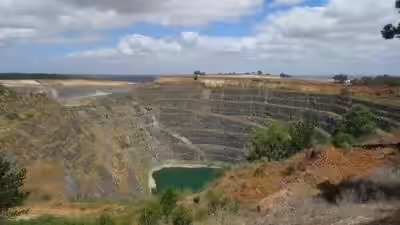
To understand the scale of the problem, researchers used tools like high-resolution satellite imagery and machine learning. This allowed them to create a global map of around 70,000 mining sites across 20 different commodities. By combining this map with data on deforestation and species extinction, the team saw exactly how mining is reshaping nature.The findings were significant. Between 2001 and 2022, mining activities were responsible for the loss of ‘16,268 sq kms’ of forest area, which is roughly the size of Beijing. Most of this destruction occurred in the tropical rainforests of the Amazon (lungs of our world), southeast Asia, and the Congo Basin. While we often think of mining as a localised activity, these digital tools show that its reach is global and its overall impact on our planet’s tree cover is devastating.
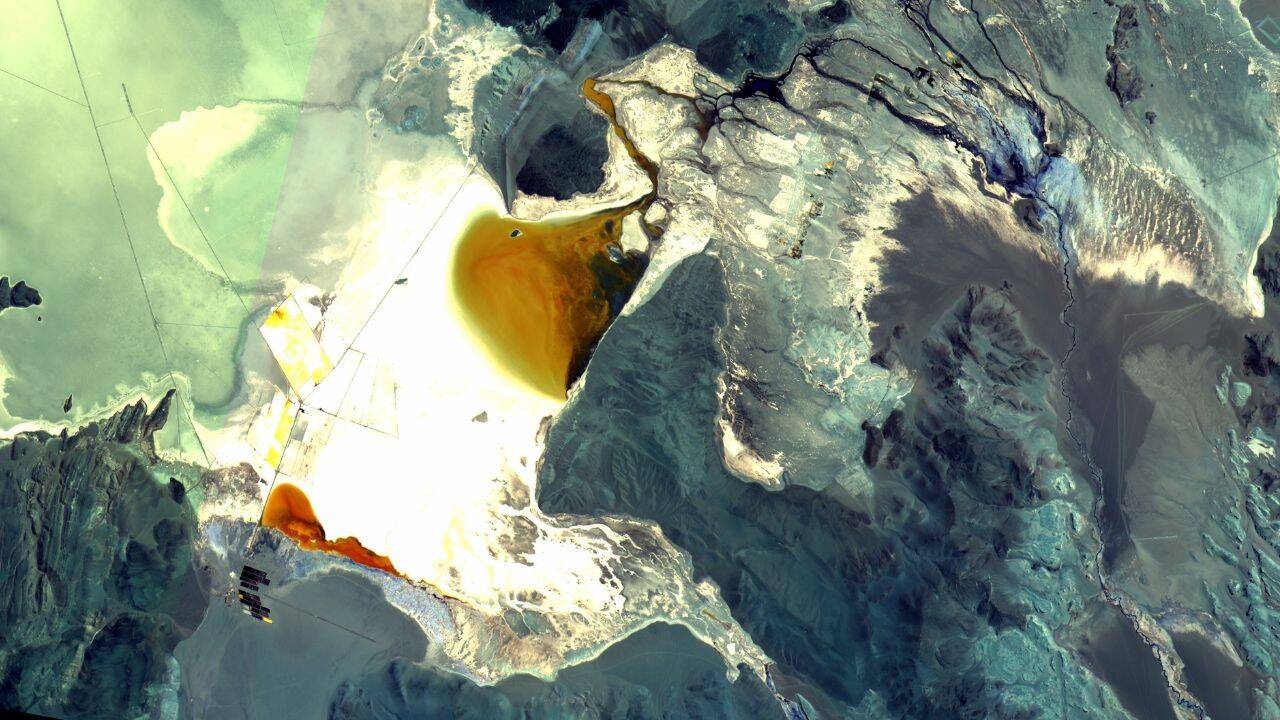
Image Credit: By Coordenação-Geral de Observação da Terra/INPE – https://www.flickr.com/photos/153282474@N02/30427822967/, CC BY-SA 2.0, https://commons.wikimedia.org/w/index.php?curid=89006193
Why do green minerals pose a different threat compared to coal and gold
When we think of mining and deforestation, we usually think of gold or coal. The study confirms that these traditional commodities remain the biggest drivers of deforestation. However, when the researchers looked at biodiversity(the variety of living things in an area), a different pattern emerged. Minerals essential for the energy transition, such as lithium, cobalt, and nickel, show highest risks to nature, even if they don’t always require clearing vast areas of forest.Take lithium as an example. It is the core element of the batteries in our laptops and electric cars. Much of it is found in salt plains and high-altitude wetlands, such as the ‘Lithium Triangle’ in South America. These are highly fragile environments where water is scarce. Extracting lithium can disrupt these sensitive water systems and endanger unique species that live nowhere else on Earth. This highlights that green energy mining may exert a more subtle but equally serious pressure on the environment.
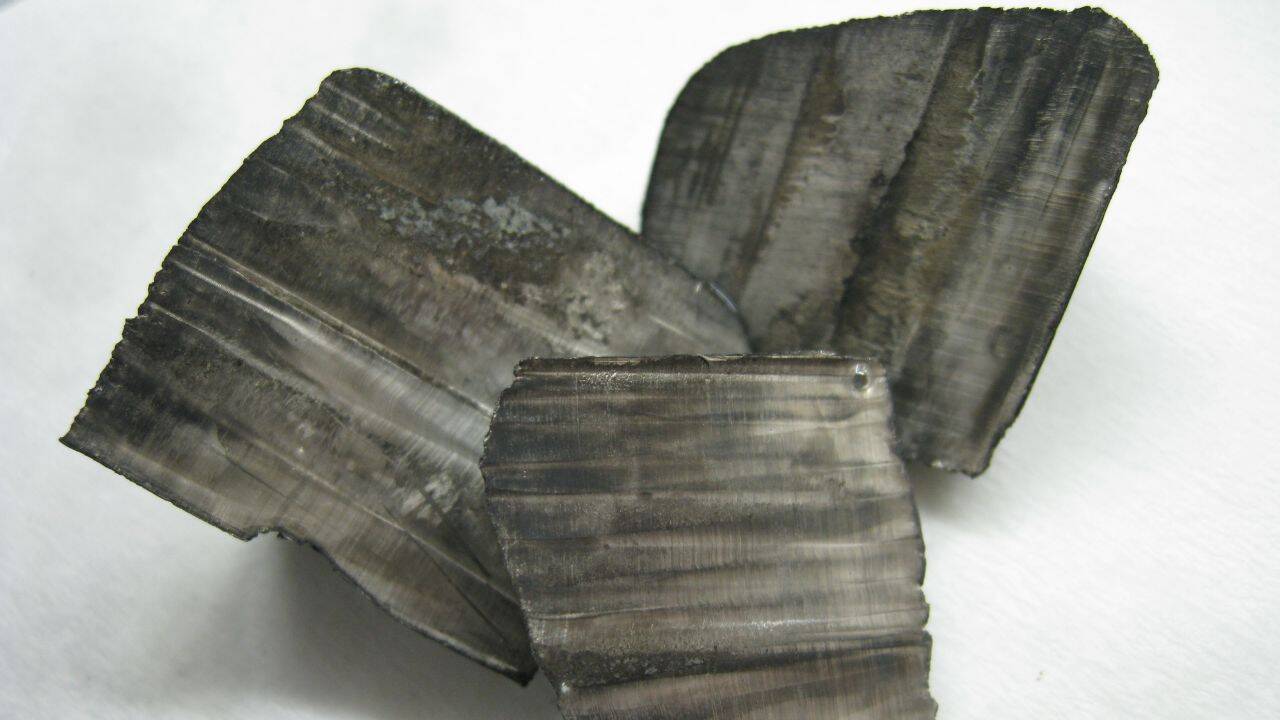
Image Credit: By Dnn87 – Self-photographed, CC BY 3.0, https://commons.wikimedia.org/w/index.php?curid=3215855
What are the real-world consequences for sensitive habitats and communities
The impact of sourcing these minerals is a living reality for communities and ecosystems around the world. In Chile’s Salar de Atacama, huge amounts of brine are pumped out every day to get lithium, which can lower the water table and make life harder for both local people and wildlife like flamingos.This search for ‘green’ minerals is also a major source of social tension. Data from the Environmental Justice Atlas reveals that over 500 mining-related conflicts are tied to the minerals needed for renewable energy. These disputes often arise because mining projects are fast-tracked by governments to meet climate targets, sometimes bypassing environmental reviews or failing to consult the local population. In many cases, the burden of this green revolution falls on low-income regions that provide the raw materials for high-income countries.
Can we resolve the conflict between saving the climate and protecting nature
The researchers at Tohoku University emphasise that their work is not a step against green technology. Rather, it is a call for a balanced approach towards protecting our biodiversity while we decarbonise our economies. We cannot simply trade one environmental crisis(climate change) for another(the mass extinction of species).One key way forward is ‘smarter regulation.’ Governments can use this new AI-driven data to ensure that mining does not happen in the most mineral-sensitive spots. Companies can also use these maps to identify risks in their supply chains and choose to source materials more responsibly.Beyond just mining better, we need to think about using ‘less.’ This means a ‘circular economy’ where we design products to last longer and recycle the minerals already in circulation. For example, other research at Tohoku University is looking into better ways to recover rare metals from waste and even using micro organisms to clean up mine water. By improving our efficiency and strengthening environmental safeguards, we can ensure that our transition to clean energy is truly green for the whole planet.