







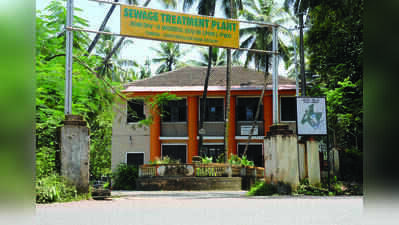
Panaji: To strengthen enforcement of sewage treatment norms, the Goa State Pollution Control Board (GSPCB) has made it mandatory for sewage treatment plants (STPs) at residential complexes, hospitals, hotels and public utility institutions to install Internet of Things (IoT)-based monitoring systems within six months.Last year, the board had mandated that all residential complexes with 24 or more flats install their own STPs. The latest decision is aimed at ensuring these plants function effectively through continuous monitoring.The GSPCB said environmental penalties will be imposed on a case-to-case basis if IoT data indicates deviations from prescribed standards. The board has also decided to empanel vendors to undertake the operation and maintenance of STPs.For the first instance of non-compliance, the board will re-test samples from the STP. If the deviation is confirmed, the establishment will be fined Rs 5,000 and will also have to bear the cost of sample collection and analysis.“In case of a second deviation from the standards, a penalty of Rs 20,000 will be imposed, and the board will carry out a performance evaluation of the STP at the cost notified by the board, which shall be borne by the establishment. Water from the outlet shall be disposed of at the nearest govt STP. Upon installation of the IoT-based system, the board will verify from the IoT data whether all the equipment is performing as required,” the GSPCB said.The board added that if an establishment fails to initiate corrective action based on the IoT data, an additional penalty of Rs 10,000 will be imposed.“The board will initiate the process of empanelling vendors for the operation and maintenance of STPs, and the establishment should entrust the operation and maintenance of the STP to any of the vendors registered with the board. The procedure will be adopted on a case-by-case basis for multi-dwelling units, hotels, hospitals and public utility institutions. It was also approved to levy environmental compensation or penalties, as the case may be,” the board said.