









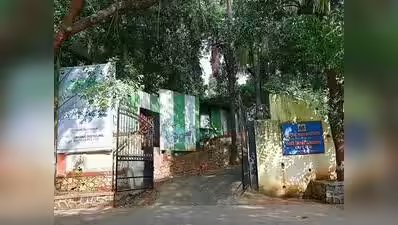
Mumbai: Nearly a year after the city’s first community-level biogas plant shut down, the BMC has initiated the process to revive the pioneering waste-to-energy project at Pali Hill in Bandra. The civic body has floated an expression of interest (EoI) inviting registered companies, institutes, trusts, and enterprises to revive, modernise and sustainably operate the Pali Hill Decentralised Waste-to-Energy Facility through a special purpose vehicle in H/West ward.In May, a team of civic officials, along with local corporator Swapna Mhatre and Pali Hill Residents Association’s Madhu Poplai, visited the site to take stock of the plant’s current situation.Applications will be accepted between July 14 and 27, according to the tender notice issued by H/West ward office.The plant had ceased operations in August 2025, eight years after it began converting neighbourhood wet waste into biogas and electricity. The facility had been established by the Pali Hill Residents Association (PHRA) using Corporate Social Responsibility funding and was widely regarded as a model for decentralised waste management in Mumbai.Poplai said that the only way the new facility would be able to carry on its operations seamlessly is by making it self sustainable. “It should be able to operate in a way that the technology is up-to-date and in tune with evolving technologies and should be able to fund itself in a way that there is no external intervention needed in the long run. If the BMC has decided to revive it, we, as an association, will provide all our support,” she said.Back in May 2018, when the BMC’s proposed waste-to-energy project at Deonar was yet to take off, the PHRA had commissioned the one-tonne-per-day biogas plant to process wet waste generated by around 70 residential buildings and 23 bungalows in the neighbourhood. The energy generated powered 69 streetlights across Pali Hill and nine at the Pali Hill water reservoir, making it one of the city’s earliest examples of converting community waste into clean energy. However, the project came to a halt after the agency appointed by the BMC for its operation and maintenance found it “unfeasible” to continue running it, resulting in its closure in August 2025.